Plant Overview
Commonly known as Jamaica Porterweed or "Blue Snakeweed," this resilient tropical perennial is a favorite among butterfly enthusiasts. Legend has it that the plant earned its name because its fermented leaves were once used to brew a foaming, beer-like medicinal "porter" in the Caribbean. Whether sprawling across a coastal garden or acting as a centerpiece in a sunny pot, its wire-like spikes add a unique, rhythmic architecture to any green space.
🔍 How to Identify
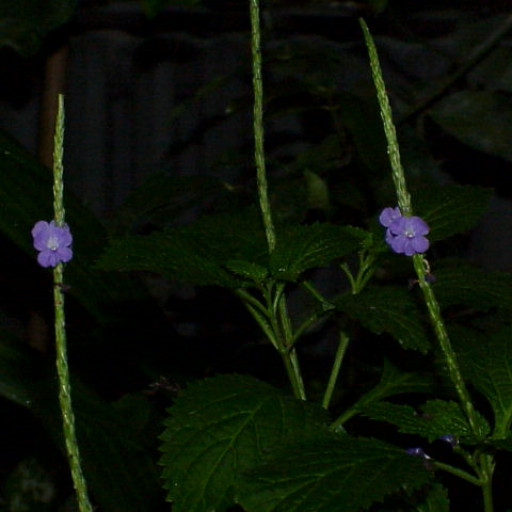
- 🦎 The "Snake" Spikes: It features long, slender, green flowering spikes that arch and curve, resembling thin snakes or whips rising from the foliage.
- 💎 Tiny Jewels: Small, trumpet-shaped flowers—usually a deep violet or brilliant blue—bloom a few at a time along the spike, starting from the bottom and working their way up.
- 🍃 Toothed Foliage: The leaves are oval-shaped with distinctively serrated (saw-toothed) edges and a slightly quilted or "bumpy" texture that feels sturdy to the touch.
🏡 In Your Garden
- 🦋 The Butterfly Magnet: If you want a flutter of activity, this is your plant. It is one of the top nectar sources for diverse butterfly species, including the giant Swallowtails and dainty Sulphurs.
- 🌊 Coastal Warrior: This species is remarkably salt-tolerant and drought-resistant once established. It’s a "tough love" plant that prefers well-draining soil and can handle the harsh sprays of a seaside breeze.
- ✂️ Growth Habit: Unlike its taller cousins, the Jamaican variety tends to stay low and sprawling. It’s best used as a groundcover or at the front of a border where its horizontal reach won't crowd out smaller neighbors.
⚠️ Safety & Toxicity
- 🟢 Safe Assessment: Stachytarpheta jamaicensis is generally considered non-toxic to humans and common household pets.
- 🍵 Medicinal History: While it has a long history in traditional folk medicine for treating respiratory and digestive issues, never ingest garden plants as tea or supplements without consulting a professional, as concentrated amounts can cause stomach upset.
✨ Fun Fact
The flowers of the Porterweed are ephemeral—each tiny bloom typically opens at dawn and fades by noon. However, because the spikes are so long and produce so many buds, a single plant can stay in a state of "continuous bloom" for months at a time!

Detailed Care Instructions
| Lighting | Full Sun |
| Hardiness Zones | Min 9A |
To grow Stachytarpheta jamaicensis, also known as Blue Porterweed or Caribbean Blue Porterweed, follow these steps:
- Choose a suitable location: Stachytarpheta jamaicensis prefers a sunny location with at least six hours of direct sunlight per day. It can tolerate partial shade, but blooms better in full sun.
- Prepare the soil: Ensure the soil is well-draining and rich. If the soil is heavy or clayey, add organic matter like compost or peat moss to improve drainage and fertility. The pH should be slightly acidic to neutral.
- Planting: Dig a hole slightly larger than the root ball of the plant. Place the plant in the hole, ensuring the top of the root ball is level with or slightly above the soil surface. Backfill the hole with soil and gently firm it around the plant. Water thoroughly after planting.
- Watering: Blue Porterweed prefers consistent moisture, so water the plant regularly to keep the soil evenly moist. However, avoid overwatering and waterlogging, as it can lead to root rot. Allow the top inch of soil to dry out between watering sessions.
- Fertilization: Apply a balanced, slow-release fertilizer in spring as new growth begins. Follow the manufacturer's instructions for application rates. Some gardeners also find success by fertilizing with a liquid fertilizer every two weeks during the growing season.
- Pruning: Stachytarpheta jamaicensis can benefit from regular pruning to promote bushiness and flowering. You can pinch back the tips of the stems or lightly trim the plant to encourage branching. Pruning also helps maintain a tidy appearance.
- Mulching: Apply a layer of organic mulch around the base of the plant to help retain moisture, suppress weed growth, and regulate soil temperature. Leave a gap around the stem to prevent rotting.
- Pests and diseases: Blue Porterweed is generally resistant to pests and diseases. However, keep an eye out for common garden pests such as aphids, whiteflies, or spider mites. If noticed, treat with appropriate insecticides or use organic pest control methods.
- Propagation: Stachytarpheta jamaicensis can be propagated through stem cuttings or division. Take 4-6 inch long stem cuttings, remove the lower leaves, and plant them in a well-draining potting mix. Keep the soil moist and provide indirect light until roots develop.
Following these guidelines should help you successfully grow Stachytarpheta jamaicensis. Enjoy its beautiful blue flowers and attractive foliage in your garden!

Place in a bright room that is sun drenched almost all day. Or directly in a south-facing window.

To water this particular plant, you should make sure that the soil is relatively dry before watering it. Then, water the plant slowly and thoroughly to ensure that the water reaches all the roots. Avoid getting the leaves or stem wet, as this could cause damage or disease. It is recommended to use room-temperature water or rainwater, rather than cold or hot water, as extreme temperatures can shock the plant. Finally, make sure to allow any excess water to drain away from the plant to prevent waterlogging and root rot.
To properly fertilize this plant, use an all-purpose fertilizer with balanced amounts of nitrogen, phosphorus, and potassium. Apply the fertilizer once a month during the growing season, which is typically from spring to fall. Dilute the fertilizer according to the instructions on the package and apply it directly to the soil around the base of the plant. Be sure not to over-fertilize as this can lead to burn damage on the leaves and negatively affect the plant's growth.
Stachytarpheta Jamaicensis requires a well-draining soil that is both fertile and rich in nutrients. A mixture of sand, loam, and compost is recommended to provide a balance of drainage and nutrient retention. The soil pH should be slightly acidic, around 6.0-6.5, for optimal growth and health of the plant. It is important to ensure that the soil is not water-logged and that adequate moisture is available without creating soggy conditions. The addition of organic matter, such as aged manure or leaf compost, can further improve soil structure and fertility. Regular fertilization with a balanced, slow-release fertilizer can also help to maintain healthy growth and blooming.
To propagate this plant, you will need to collect stem cuttings from a healthy and mature plant. The stem cuttings should be approximately 4-6 inches long and taken from the middle portion of the stem. Make sure to use a sharp, sterilized pair of pruning shears to avoid damage to the plant.
Remove any leaves from the lower 2 inches of the stem, leaving only 2-3 sets of leaves at the top. Dip the cut end of the stem in rooting hormone powder to encourage root growth, then plant it in a well-draining potting mixture.
Water the cutting thoroughly and place it in a bright, indirect light location. Keep the soil moist but not waterlogged, and within a few weeks, roots and new growth should appear. After several weeks, the cutting can be transplanted to a larger pot or planted in the garden in a sunny location with well-draining soil.








