Plant Overview
Known as the European Bladdernut, this elegant deciduous shrub is a hidden gem of the European woodland and old-world gardens. Its most striking feature is its inflated, papery seed pods that rattle playfully in the autumn breeze, earning it the nickname "Rattle-nut." In several central European cultures, the hard, polished seeds were traditionally used to craft spiritual rosaries, blending the plant’s natural beauty with local folklore.
🔍 How to Identify
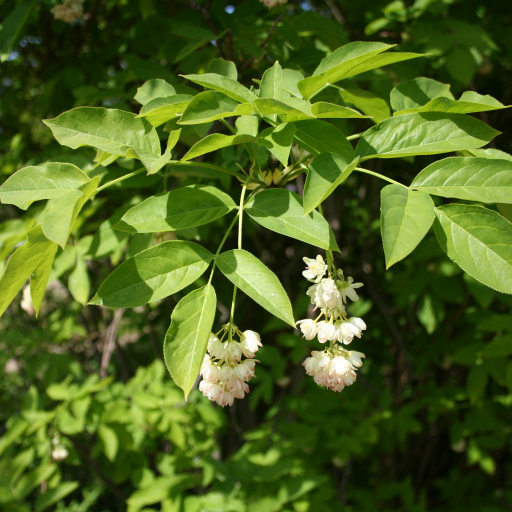
- 🍃 Pinnate Foliage: Features compound leaves typically made of 5 to 7 bright green, oval-shaped leaflets with finely toothed edges.
- 🔔 Drooping Blooms: In late spring, it produces hanging clusters of small, bell-shaped white flowers that often show a subtle pink tint at the base.
- 🎈 Inflated Pods: The most diagnostic feature is the fruit—a 2-3 lobed, papery green capsule that looks like a tiny hot-air balloon and turns brown as it matures.
🏡 In Your Garden
- 🌦️ Moisture is Key: The Bladdernut is a forest-edge native, meaning it thrives in "goldilocks" conditions—rich, loamy soil that stays consistently moist but never waterlogged.
- 🐝 Pollinator Buffet: Its fragrant flowers are a magnet for early-season bees and hoverflies, making it an excellent choice for gardeners looking to support local biodiversity without using aggressive invasive species.
⚠️ Safety & Toxicity
- ✅ Generally Safe: Staphylea pinnata is not known to be toxic to humans, dogs, or cats, making it a "worry-free" shrub for family landscapes.
- 🥜 Edible Seeds: Historically, the seeds inside the pods were eaten as a snack. They are said to have a mild, nutty flavor similar to pistachios, though they should only be consumed if you are 100% certain of your identification.
✨ Fun Fact
Because the seeds are naturally hard, smooth, and have a pre-drilled look when dried, they were so commonly used to make prayer beads in the 19th century that the plant is still known in some regions as the "Rosary Shrub."

Detailed Care Instructions
To grow Staphylea pinnata (European bladdernut) plant, you can follow these steps:
- Select a suitable location: Look for a spot in your garden that receives partial shade to full sun. Staphylea pinnata prefers well-drained soil.
- Prepare the soil: Ensure the soil is loose, rich in organic matter, and well-drained. If the soil is heavy or compacted, amend it with compost or peat moss to improve drainage and fertility.
- Planting: Dig a hole that is slightly larger and deeper than the rootball of the plant. Place the plant in the hole and backfill it with soil, gently firming it around the roots. Water thoroughly after planting.
- Watering: Keep the soil consistently moist, but not waterlogged. Water deeply and regularly, especially during dry spells. Mulching around the base of the plant can help retain moisture.
- Fertilizing: Apply a balanced slow-release fertilizer in early spring to provide the necessary nutrients. Follow the manufacturer's instructions for application rates.
- Pruning: Prune Staphylea pinnata in late winter or early spring to remove any dead, damaged, or diseased branches. Additionally, you can shape the plant to maintain a desired size or form.
- Protection from pests and diseases: Inspect the plant regularly for any signs of pests, such as aphids or leaf miners, and take appropriate measures to control them. Staphylea pinnata is generally resistant to diseases.
- Propagation: You can propagate Staphylea pinnata through seeds or hardwood cuttings. Seeds can be collected from the plant in late summer or fall and sown in a seed tray. Hardwood cuttings can be taken in late autumn or early winter and placed in a rooting hormone before planting in moist soil or a potting mix.
By following these steps, you can successfully grow Staphylea pinnata in your garden. Remember to provide adequate care and be patient, as plants may take some time to establish and reach their full potential.

Place in a bright room that is sun drenched almost all day. Or directly in a south-facing window.

The best way to water this plant is to give it a slow, deep watering once a week or as needed. Avoid over-watering and allow the soil to partially dry out before watering again. Water at the base of the plant, avoiding getting water on the leaves or flowers. Consider using a drip irrigation system to ensure consistent and efficient watering.
To fertilize the Staphylea Pinnata, apply a balanced fertilizer in early spring just before new growth begins. Use a slow-release organic fertilizer or a granular fertilizer with equal parts nitrogen, phosphorus, and potassium. Spread the fertilizer evenly around the base of the plant, making sure not to get any on the leaves. Water the fertilizer well after application to help it soak into the soil. Repeat fertilization every spring for optimal growth and health of the plant.
When selecting soil for this particular plant, it is important to consider its specific requirements. The ideal soil for this plant should be moist and well-draining, with a neutral to slightly acidic pH level. Additionally, the soil should be rich in organic matter, as this will provide the plant with the necessary nutrients it needs to thrive. It is recommended to add compost or other organic matter to the soil prior to planting. The use of a fertilizer specifically formulated for shrubs and trees can also be beneficial in promoting healthy growth. Overall, the key is to ensure that the soil is fertile, well-draining, and provides the plant with the nutrients it needs to grow and flourish.
To propagate this plant, you will first need to collect seeds from the mature plant. Once you have the seeds, you will need to scarify them by either nicking the seed coat with a knife or rubbing them with sandpaper to help promote germination. Next, you will need to sow the seeds in a well-draining potting soil and cover them lightly with soil. Keep the soil consistently moist and place the pot in a warm and bright location. Germination should occur within a few weeks.
Once the seedlings have emerged, you can transplant them into larger pots or into the ground. Staphylea pinnata prefers partial shade and well-draining soil. To promote stronger growth, you can fertilize the plant with a balanced fertilizer every few weeks during the growing season. With proper care, your propagated Staphylea pinnata plant should establish quickly and begin producing its unique foliage and flowers.








