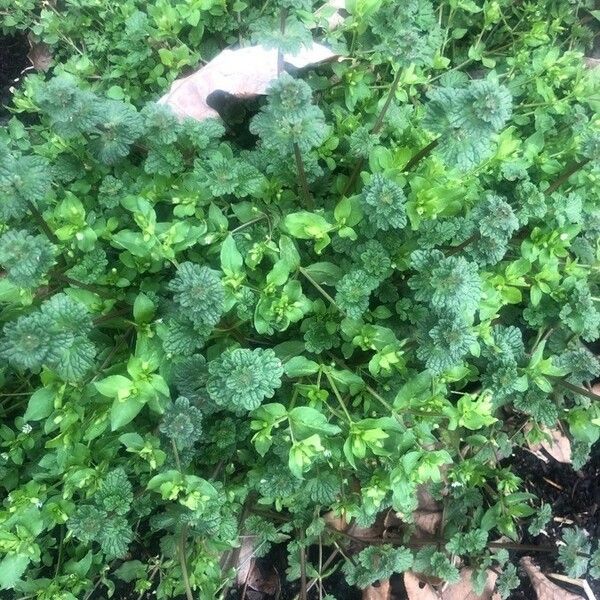
Plant Overview
Commonly known as the American Starwort, this dainty alpine beauty is a resilient survivor of the high peaks. Named for its star-shaped white blooms, it hugs the ground in rocky crevices where few other plants dare to grow. In the wild, it acts like a tiny constellations scattered across the mountain scree, adding a touch of delicate elegance to rugged landscapes.
🔍 How to Identify
- ⭐ The Flowers: Small, white, and star-like. Each of its five petals is so deeply notched (cleft) that it looks like the flower actually has ten distinct petals.
- 🍃 The Foliage: The leaves are small, ovate to lance-shaped, and often covered in fine, sticky hairs that help the plant retain moisture and ward off intense mountain UV rays.
- 🌱 Growth Habit: It forms low-growing, loose mats or "cushions," staying close to the earth to avoid the punishing winds of its high-altitude home.
🏡 In Your Garden
- 🏔️ Mountain Mimicry: Because it is a subalpine species, it thrives in "rock garden" conditions. It requires exceptionally sharp drainage; it will quickly succumb to root rot if left in heavy, soggy garden soil.
- ☀️ Cool Sun: While it loves bright light, it dislikes extreme heat. In lower elevations, it performs best in a spot that receives morning sun but stays protected and cool during the scorching afternoon hours.
⚠️ Safety & Toxicity
- ✅ Low Risk: Stellaria americana is generally considered non-toxic to humans and common household pets, much like its famous cousin, the Common Chickweed (Stellaria media).
- 🌿 Skin Sensitivity: While not poisonous, the fine hairs on the stems and leaves can occasionally cause very mild skin irritation for people with highly sensitive skin if handled extensively.
✨ Fun Fact
The name Stellaria is derived from the Latin word stella, meaning "star." This refers not only to the shape of the flower but also to the way these plants seem to "twinkle" against the dark, grey rocks of the American Rockies and Cascades where they are most commonly found.

Detailed Care Instructions
Stellaria americana, also known as American stitchwort, can be grown from seeds or by division of established plants. Here are some tips on how to grow this plant:
- Choose a location that receives partial to full shade, as Stellaria americana prefers cooler, shaded areas.
- Prepare the soil by loosening it with a garden fork and mixing in organic matter such as compost or well-rotted manure.
- Sow seeds in the spring or fall, scattering them evenly over the soil surface and lightly pressing them into the soil. Keep the soil consistently moist until the seeds germinate.
- Once the seedlings have sprouted, thin them out to about 6-12 inches apart to allow for proper growth and air circulation.
- Water the plants regularly, especially during dry periods, but be careful not to overwater as this can cause root rot.
- Mulch around the base of the plants to help retain moisture and suppress weeds.
- Fertilize the plants with a balanced, all-purpose fertilizer once a month during the growing season.
- Monitor the plants for any signs of pests or diseases and treat them promptly to prevent any damage.
By following these tips, you should be able to successfully grow and enjoy the beautiful white flowers of the Stellaria americana plant.
Stellaria Americana plant should be watered consistently to keep the soil moist but not soggy. It is important to water the plant at the base to prevent water from collecting on the leaves, which can lead to rot. It is recommended to water the plant in the morning to allow excess moisture to evaporate throughout the day. Depending on the specific environment and conditions, the plant may need water every 2-3 days. Be sure to monitor the soil moisture levels regularly to ensure the plant is receiving the proper amount of water.
To fertilize the Stellaria Americana plant, use a balanced liquid fertilizer diluted to half strength. Apply the fertilizer once a month during the growing season, which is typically from spring to early fall. Be careful not to over-fertilize as this can harm the plant. Water the plant thoroughly after fertilizing to help the nutrients penetrate the soil and reach the roots.
Stellaria Americana plants thrive in well-draining soil that is rich in organic matter. Using a potting mix that consists of a combination of peat moss, perlite, and vermiculite will provide the plant with the necessary nutrients and moisture retention. Additionally, adding some sand or bark chips to the soil mix can help improve aeration and prevent the soil from becoming compacted. It is important to keep the soil consistently moist but not waterlogged, as overwatering can lead to root rot.
Stellaria Americana can be propagated through division or cuttings. To propagate through division, carefully dig up the plant and separate the roots into smaller clumps. Replant the divisions in well-draining soil and keep the soil consistently moist until new growth appears.
To propagate through cuttings, take a 4-6 inch cutting from a healthy, established plant. Remove the lower leaves and place the cutting in a small pot filled with a well-draining soil mix. Keep the soil moist and provide indirect sunlight until roots form.
Another method of propagation is through seed germination. Collect seeds from mature plants and sow them in a seed tray filled with a soilless potting mix. Keep the soil consistently moist and provide adequate sunlight for germination.
Regardless of the method chosen, it is important to provide the newly propagated plants with proper care, including regular watering, adequate sunlight, and appropriate soil conditions to ensure their successful growth and development.








