Plant Overview
Meet the world’s highest climber! Often called the Himalayan Chickweed, Stellaria decumbens is a tiny powerhouse that thrives where few other plants can survive. This resilient alpine beauty forms soft, green cushions across the rocky slopes of the Himalayas, proving that even the most delicate-looking flowers can be tough as nails. It is a master of survival, hugging the earth to hide from the freezing winds of the world's tallest peaks.
🔍 How to Identify
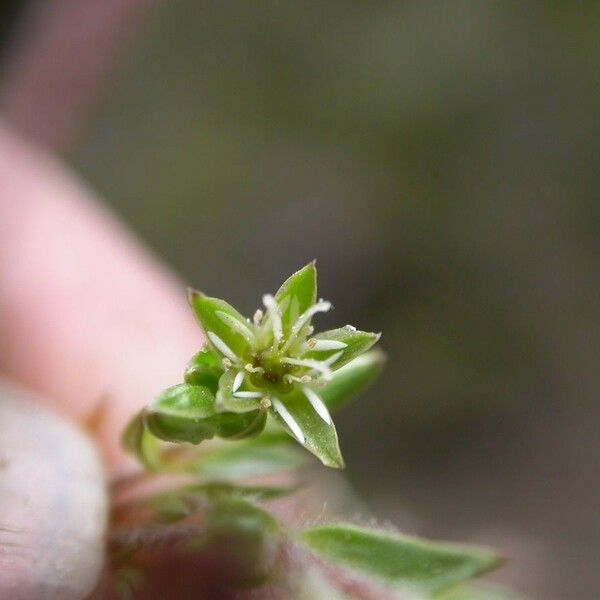
- 🌸 Star-Shaped Flowers: It features classic five-petaled white flowers that are deeply notched, often making it look like it has ten tiny petals arranged in a star.
- 🌿 Low-Profile Growth: True to its name "decumbens," the stems lie flat along the ground (prostrate), creating a dense, creeping mat that rarely rises more than a few inches high.
- 🍃 Pointed Foliage: The leaves are small, narrow, and lance-shaped, usually appearing in opposite pairs along the thin, wiry stems.
🏡 In Your Garden
- 🏔️ Alpine Rockeries: This plant is a specialist for rock gardens or stone troughs. It mimics its high-altitude home best when tucked into crevices between stones where its roots can stay cool while its foliage creeps over the rock.
- 💧 Drainage is Key: Because it is adapted to thin, mountain soils, it hates "wet feet." In a garden setting, it requires gritty, well-draining soil to prevent the crown from rotting during rainy seasons.
- 🌬️ Climate Resilient: It is incredibly cold-hardy, making it an excellent choice for high-latitude gardens or areas with harsh winters where other groundcovers might fail.
⚠️ Safety & Toxicity
- ✅ Generally Safe: Like its cousin, the common chickweed, Stellaria decumbens is not known to be toxic to humans or common household pets.
- 🐾 Mild Caution: While not poisonous, any plant material consumed in large quantities by a dog or cat can lead to mild stomach upset or grazing-related vomiting.
✨ Fun Fact
Stellaria decumbens is a world record holder! It was once documented growing at an elevation of approximately 6,135 meters (over 20,000 feet) on Mt. Makalu, making it one of the highest-altitude flowering plants ever recorded on the planet.

Detailed Care Instructions








