Plant Overview
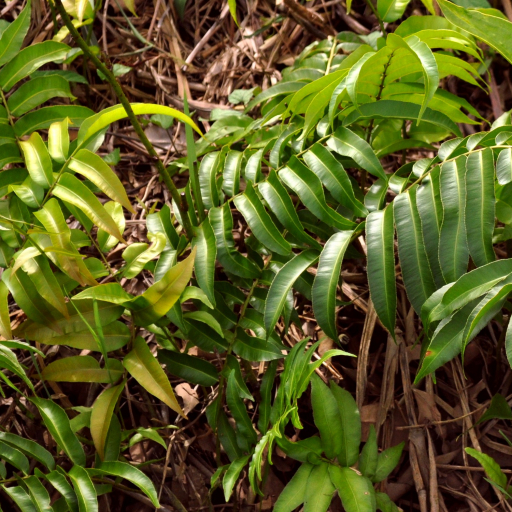
Known as the Climbing Bird's Nest Fern or the beloved Midin in Southeast Asia, this vigorous fern is a staple of tropical swamps and jungle kitchens. Unlike many ferns that prefer a quiet life on the forest floor, Stenochlaena palustris has a "wandering soul," using its rope-like stems to scale the trunks of tall trees. In Sarawak, it is a culinary icon, prized for its crunchy texture and unique, nutty flavor.
🔍 How to Identify
- 🌿 Reddish Fiddleheads: The young, edible shoots emerge in a striking reddish-bronze or copper color before maturing into deep, glossy green.
- 🧗 Climbing Rhizome: Look for a long, green, scaly stem that clings to tree bark or crawls across the ground. It can grow many meters long.
- 🍃 Serrated Leaflets: The fronds are pinnate (feather-shaped), and the individual leaflets have finely saw-toothed edges that feel slightly leathery to the touch.
🏡 In Your Garden
- 💧 The "Soggy Spot" Specialist: As its name palustris (meaning "of the marsh") suggests, this fern thrives in high humidity and wet soil. It is the perfect choice for garden corners that stay damp or near backyard ponds.
- 🪜 Vertical Ambition: If you grow this at home, provide a moss pole or a rough-barked tree. Without a vertical surface to climb, the plant will focus on spreading horizontally, acting more like a thick groundcover.
⚠️ Safety & Toxicity
- 🥗 Edible for Humans: The young, curled fronds are a popular and nutritious vegetable in Asian cuisine. They are typically blanched or stir-fried.
- 🐾 Pet Precaution: While the plant is generally considered non-toxic to humans, it is best to keep household pets from munching on it, as wild ferns can sometimes cause mild digestive upset in cats or dogs if consumed in large quantities.
✨ Fun Fact
Midin is so sensitive to its environment that it cannot be easily farmed on a commercial scale; almost all the Midin sold in markets is foraged by hand from the wild. It is also a "survival food"—during the monsoon seasons in Southeast Asia when other crops fail, this fern continues to thrive in the floodwaters.

Detailed Care Instructions
To grow Stenochlaena palustris, also known as the giant chain fern, you can follow these steps:
- Obtain a Stenochlaena palustris plant: You can look for it at local nurseries or order it online. Make sure to choose a healthy and well-developed specimen.
- Find a suitable location: Stenochlaena palustris prefers growing in moist and shaded areas. Look for a spot in your garden or indoors where it can receive indirect sunlight or partial shade.
- Prepare the soil: Stenochlaena palustris thrives in well-draining soil that is rich in organic matter. It can grow in various types of soil, including loam, sandy, or clay soil. Amend the soil with compost or well-rotted manure to improve its fertility and drainage.
- Planting: Dig a hole in the prepared soil that is slightly larger than the plant's rootball. Place the plant in the hole, ensuring that the top of the rootball is level with the soil surface. Backfill the hole with soil and gently firm it around the plant.
- Watering: Stenochlaena palustris requires regular watering to maintain soil moisture. Water the plant thoroughly after planting and continue to provide enough water to keep the soil consistently moist but not waterlogged. Monitor the moisture levels and adjust your watering schedule accordingly.
- Mulching: Apply a layer of organic mulch around the base of the plant to help retain soil moisture, suppress weed growth, and provide additional nutrients as it breaks down.
- Fertilizing: Stenochlaena palustris is not a heavy feeder but can benefit from periodic fertilization. Use a balanced, slow-release fertilizer or organic alternatives following the manufacturer's instructions. Avoid over-fertilizing, as it can lead to excessive growth or damage the plant.
- Pruning: Pruning is not usually necessary for Stenochlaena palustris. However, you can remove any dead or damaged fronds to maintain the plant's appearance.
- Pest and disease management: Stenochlaena palustris is relatively resistant to pests and diseases. Monitor the plant regularly for any signs of infestation or disease, and take appropriate action if necessary.
- Propagation: Stenochlaena palustris can be propagated by dividing the plant's rhizomes. When the plant becomes mature, you can carefully separate some rhizomes with roots and plant them in a new location or in containers.
Remember to provide proper care, including adequate water, light, and nutrients, to help the Stenochlaena palustris plant grow successfully.

Place in a window with dappled sun or a spot in the middle of a room. Or directly in a window facing west or east.

To water this plant, thoroughly saturate the soil around the base of the plant, taking care not to water the leaves or fronds. Allow the soil to dry out partially before watering again, as overwatering can lead to root rot. This plant prefers consistently moist soil and thrives in a humid environment, so misting the leaves or placing a humidifier nearby may be beneficial. When watering, use distilled or filtered water to avoid any build-up of minerals in the soil, but avoid using water that is too cold or too hot, as this can shock the plant.
To fertilize the plant, first, select a slow-release fertilizer. Apply it to the base of the plant, making sure to spread it evenly. Water the plant after fertilizing to help the nutrients penetrate the soil. Repeat this process once a month during the growing season. Over-fertilizing can damage the plant, so be cautious not to apply too much fertilizer.
Stenochlaena Palustris plant thrives best in well-drained soil with a low pH level of around 5-6. The soil should be enriched with organic matter, such as compost or manure, to improve its texture and provide the plant with essential nutrients. It is important to avoid using heavy clay or waterlogged soils, as these can lead to root rot and stunted growth. Additionally, the soil must be moist but not waterlogged, as excessive moisture can also cause root rot and harm the plant. Overall, a well-draining, acidic soil that is enriched with organic matter is best suited for this plant's growth and development.
To propagate this plant, you need to first look for healthy fronds that are at least 6 inches long. Then, cut these fronds from the parent plant using a sharp and clean pair of scissors or pruning shears.
Next, prepare a pot with moist, well-draining soil and plant the fronds in the pot, making sure the soil covers the base of the fronds. Cover with a plastic bag or place a plastic dome over the top of the pot to create a humid environment.
Place the pot in a bright and warm spot but not in direct sunlight and water the soil regularly to keep it moist.
Within a few weeks, you should start to see new growth emerging from the fronds. Once the new growth is established, you can remove the plastic bag or dome and continue caring for the plant as normal.
Repeat these steps with additional fronds as needed to propagate more Stenochlaena Palustris plants.








