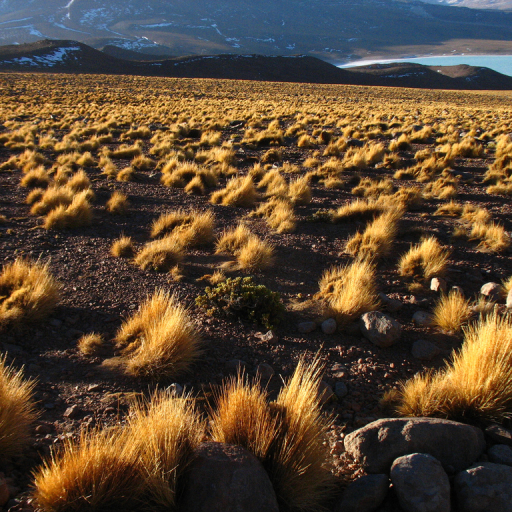
Plant Overview
Known as "Peruvian Feather Grass" or simply "Ichu," this high-altitude beauty is the golden soul of the Andes. It is a resilient bunchgrass that transforms from a dense green fountain into a shimmering sea of silver plumes as the wind catches it. For centuries, it has been as much a cultural icon as a landscape plant, famously used by the Incas for everything from roof thatching to weaving massive bridges.
🔍 How to Identify
- 🌾 Foliage Shape: Features very stiff, needle-thin leaves that grow in tight, upright clumps, creating a vertical "fountain" silhouette.
- ☁️ The Plumes: Produces elegant, feathery flower spikes (panicles) that emerge silvery-white and eventually fade to a soft, toasted tan.
- 📏 Growth Habit: Unlike many invasive grasses, this is a "clump-former," meaning it stays in its designated spot rather than creeping across your entire lawn.
🏡 In Your Garden
- ☀️ Rugged Origins: Because it hails from the rocky slopes of South America, it is incredibly drought-tolerant and thrives in poor, well-draining soil where other ornamental plants might wither.
- 💨 Sensory Experience: This is a plant designed for movement. It is best planted in open areas where it can catch the breeze, providing both visual "flow" and a soft, whispering sound to the garden landscape. It requires almost zero fuss—just a quick trim in late winter to clear out old foliage.
⚠️ Safety & Toxicity
- ✅ Safe Status: Stipa ichu is generally considered non-toxic to humans, dogs, and cats.
- ✂️ Physical Texture: While not chemically toxic, the leaves are quite stiff and can have sharp edges. It is a good idea to wear gardening gloves when pruning or handling the plant to avoid minor skin irritation or "grass cuts."
✨ Fun Fact
The Q’eswachaka bridge in Peru—the last remaining hand-woven Inca rope bridge in the world—is rebuilt every year using twisted bundles of Stipa ichu grass. Its fibers are so strong that the bridge can support the weight of several people at once!

Detailed Care Instructions
To grow Stipa Ichu, also known as Puna grass or Andean feather grass, follow these steps:
- Climate:
- Stipa Ichu is native to the Andean highlands of South America, so it prefers a cool and temperate climate.
- It can tolerate temperatures as low as -10°C (14°F) and as high as 30°C (86°F).
- It grows best in regions with an annual rainfall between 500-1500 mm (20-60 inches).
- Stipa Ichu is native to the Andean highlands of South America, so it prefers a cool and temperate climate.
- Soil:
- Stipa Ichu prefers well-draining, sandy or loamy soils.
- The soil should be slightly acidic to neutral (pH 6.0-7.5).
- Stipa Ichu prefers well-draining, sandy or loamy soils.
- Planting:
- Choose an open, sunny location for planting.
- Prepare the soil by removing any weeds, rocks, or debris.
- Dig a hole twice the size of the plant's root ball.
- Place the plant in the hole, ensuring it is planted at the same depth as it was in its container.
- Backfill the hole with soil, firming it gently around the plant.
- Water the newly planted Stipa Ichu thoroughly to settle the soil.
- Choose an open, sunny location for planting.
- Watering:
- Stipa Ichu requires regular watering, especially during its establishment period.
- Water deeply but infrequently, allowing the soil to dry out slightly between waterings.
- Once established, it is relatively drought-tolerant and can withstand some dry periods.
- Stipa Ichu requires regular watering, especially during its establishment period.
- Fertilization:
- Stipa Ichu is generally low-maintenance and doesn't require regular fertilization.
- However, applying a slow-release, balanced fertilizer in early spring can aid in its growth.
- Follow the package instructions for the recommended application rate.
- Stipa Ichu is generally low-maintenance and doesn't require regular fertilization.
- Pruning and Maintenance:
- Stipa Ichu doesn't typically require pruning.
- However, if you notice dead or damaged foliage, you can trim it back to maintain its appearance.
- Additionally, removing any weeds around the plant can help it thrive.
- Stipa Ichu doesn't typically require pruning.
- Propagation:
- Stipa Ichu can be propagated through division or by collecting and sowing its seeds.
- To propagate through division, carefully dig up a mature clump and separate the individual grass plants, ensuring each division has sufficient roots.
- Plant the divisions in prepared soil, following the planting instructions mentioned earlier.
- To propagate from seeds, collect the ripe seeds from the plant and sow them in trays or small pots filled with well-draining soil.
- Keep the soil moist, and once the seedlings are large enough, transplant them to their permanent positions.
Remember to check and follow any local regulations or guidelines regarding the cultivation and propagation of Stipa Ichu, as it may have restrictions in certain regions.
- Stipa Ichu can be propagated through division or by collecting and sowing its seeds.
Stipa Ichu, commonly known by several names such as Feathergrass, Puna Grass, or Ichu Grass, is a perennial plant native to the high altitudes of the Andean region in South America. It is known for its tall and feathery appearance, with long, slender leaves that can reach up to 1 meter in height.
When it comes to watering Stipa Ichu, it's important to consider the natural habitat of the plant. Since it originates from high-altitude regions, it has adapted to survive in dry and arid conditions. Here are some tips on watering this plant effectively:
- Watering frequency: Stipa Ichu is well-suited to dry climates and does not require frequent watering. It is crucial to allow the soil to dry out partially between watering sessions to prevent overwatering, which can lead to root rot.
- Soil moisture: Before watering, check the moisture level of the soil around the plant. Insert your finger about 2-3 inches deep into the soil. If it feels dry at that depth, it's time to water the plant. However, if the soil still feels moist, hold off watering for a few more days.
- Watering technique: When watering Stipa Ichu, it is recommended to use a slow and gentle watering technique. This allows the water to penetrate deeply into the soil, reaching the plant's root zone. Avoid drenching the plant with a heavy stream of water, as it may not effectively reach the roots.
- Watering amount: Provide a thorough watering session, ensuring the water reaches the root system. However, avoid excessive watering that may lead to waterlogged conditions. The aim is to moisten the soil evenly without causing water to pool on the surface.
- Rainwater preference: Stipa Ichu prefers rainwater over tap water or overly chlorinated water. Collecting rainwater and using it to water the plant can provide optimal conditions for growth, as it lacks the chemicals and salts found in tap water.
- Watering during dormancy: Stipa Ichu experiences a winter dormancy period, during which it requires less water. Reduce the frequency of watering during this time, allowing the soil to dry out more thoroughly between waterings.
Remember, proper watering techniques may vary depending on the growing conditions, such as the type of soil, temperature, and humidity levels. By paying attention to the soil moisture and tailoring the watering routine accordingly, you can promote the health and vitality of your Stipa Ichu plant.
To fertilize the Stipa Ichu plant:
- Choose a slow-release fertilizer specifically formulated for grasses or ornamental plants.
- Dilute the fertilizer according to the instructions on the packaging.
- In early spring, before the growing season starts, sprinkle the diluted fertilizer evenly around the base of the plant.
- Use a rake or garden fork to lightly work the fertilizer into the topsoil, ensuring it reaches the root zone.
- Water the plant thoroughly after fertilizing to help the nutrients penetrate the soil.
- Repeat the fertilization process once every two to three months throughout the growing season.
- During the dormant winter period, refrain from fertilizing as the plant requires less nutrients.
- Monitor the plant for any signs of over-fertilization, such as leaf burn or excessive growth, and adjust the fertilizer amounts accordingly.
- Remember to always follow the specific instructions on the fertilizer package and avoid over-fertilizing, as it can be detrimental to the plant's health.
The ideal soil type for Stipa Ichu plants is a well-draining soil that is sandy or loamy in texture. It should have good water-holding capacity while allowing excess moisture to drain away. The pH level of the soil should be neutral to slightly acidic.
Stipa Ichu plants prefer soil that is rich in organic matter, as it provides essential nutrients and improves soil fertility. Adding compost or well-decomposed organic matter before planting can significantly benefit the growth and development of these plants.
It is important to note that Stipa Ichu plants are native to high-altitude regions with cold climate conditions. Therefore, the soil should also have good insulation properties to protect the plant roots from extreme temperatures. Including vermiculite or perlite in the soil mix can enhance its insulation capabilities.
Furthermore, Stipa Ichu plants are adapted to the harsh conditions of their native habitats, so they can withstand periodic drought-like conditions. However, consistent watering is still necessary to maintain healthy growth. Thus, the soil should retain sufficient moisture without becoming saturated.
To summarize, the best soil for Stipa Ichu plants should be well-draining, sandy or loamy, pH-neutral to slightly acidic, rich in organic matter, and provide good insulation properties.
Propagating Stipa Ichu plants can be done using the division method. Here are the steps to propagate this plant:
- Choose a healthy plant: Identify a mature Stipa Ichu plant that is in good health. This will ensure the success of the propagation process.
- Sterilize tools: To prevent the spread of diseases, sterilize your cutting tools, such as garden shears or a knife, by wiping them with rubbing alcohol or soaking them in a solution of 1 part bleach to 9 parts water.
- Prepare the plant: Water the Stipa Ichu plant a day prior to propagation. This will ensure that the plant is well-hydrated and will increase the chances of successful root development.
- Dig around the plant: Gently dig around the base of the Stipa Ichu plant, taking care not to damage the roots. Create a wide trench around the plant to expose the root system.
- Divide the plant: Once the root system is exposed, carefully divide the plant into smaller sections. Each section should have its own set of roots and healthy shoots. Use the sterilized cutting tools to make clean cuts.
- Transplant the divisions: After dividing the plant, immediately transplant the newly separated sections into prepared holes or pots. Ensure that the soil is well-draining to prevent root rot.
- Water and care: Water the transplanted divisions thoroughly after planting. Maintain regular watering to keep the soil moist, but not waterlogged. Provide the transplants with adequate sunlight or partial shade, as per the plant's requirement.
- Monitor growth: Check on the transplanted divisions regularly for signs of new growth. This indicates that root establishment is taking place successfully.
- Provide ongoing care: Continue to care for the newly propagated Stipa Ichu plants by providing regular watering, appropriate sunlight conditions, and any additional care specific to the plant's needs.
By following these steps, you can successfully propagate Stipa Ichu plants through division.








