Plant Overview
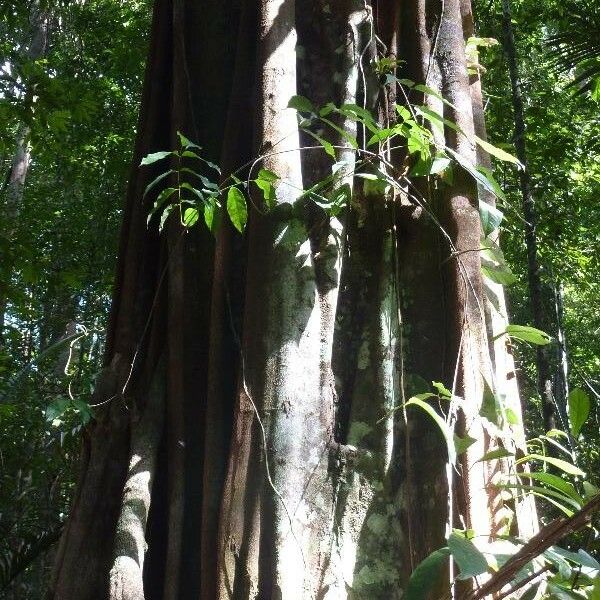
Deep in the heart of the Amazon rainforest, Swartzia polyphylla—often known by the local name Parapara—stands as a symbol of tropical resilience. This majestic member of the legume family is revered not just for its dense, "iron-like" wood, but for its presence in traditional indigenous medicine. In the wild, it acts as a structural pillar of the canopy, providing shade and stability to the complex ecosystem of the jungle floor.
🔍 How to Identify
- 🌿 The Foliage: True to its name (polyphylla meaning "many leaves"), it features compound leaves with multiple pairs of shiny, elliptical leaflets that create a dense, feathery canopy.
- 🌼 The Flowers: It produces striking, asymmetrical blooms that usually feature a single, prominent yellow or cream-colored petal, making them look like delicate golden ribbons hanging from the branches.
- 🪵 The Bark and Wood: The bark is relatively smooth and dark, hiding wood that is incredibly dense and heavy—so much so that it is often referred to as "ironwood" in local dialects.
🏡 In Your Garden & Ecology
- 💧 Tropical Humidity: While rarely kept as a standard houseplant, those attempting to grow it in botanical settings must mimic the Amazon. It requires high humidity and "wet feet" protection; it loves moisture but needs soil that breathes to prevent root rot.
- 🌳 Growth Habit: This is a slow-growing tree that invests its energy into creating hardwood. In a garden or conservatory setting, it is a "legacy plant," meaning it requires patience and a permanent spot, as its deep taproot makes it very difficult to transplant once established.
⚠️ Safety & Toxicity
- 🟢 General Safety: Swartzia polyphylla is generally safe to touch and handle. It does not possess stinging hairs or contact toxins.
- 🐾 Ingestion Warning: While parts of the tree are used in traditional Amazonian medicine for specific ailments, the seeds and bark should never be consumed by humans or pets. The complex alkaloids that protect the tree from jungle insects can cause severe digestive distress if ingested.
✨ Fun Fact
The wood of the Swartzia polyphylla is so incredibly dense and oil-rich that it is one of the few types of timber in the world that will actually sink if placed in a bucket of water!

Detailed Care Instructions

Water-loving plants flourish in wet or sloppy soil and near ponds. The extensive root system enables these plants to absorb plenty of water. The surface of the soil should be kept moist at all times. Place your pot in a container filled with water to guarantee that plants get enough water. If the ground becomes dry, it is recommended that you water it well. Plants in smaller pots will need to be watered more frequently. Water the soil in which the plant is standing thoroughly using a watering can.








