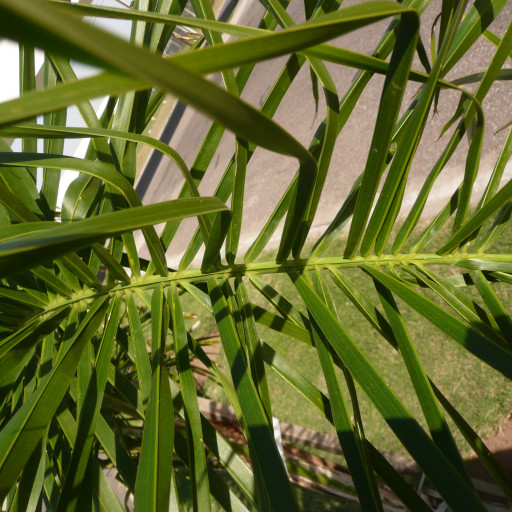
Plant Overview
Often referred to as the Queen Palm, Syagrus romanzoffiana is the regal socialite of the tropical landscaping world. Native to the lush regions of South America, this palm is prized for its rapid growth and its ability to transform a standard backyard into a high-end resort oasis. While its sweeping, feathery fronds give it an air of delicate grace, it is a surprisingly hardy tree that can handle a light frost better than many of its tropical cousins.
🔍 How to Identify
- 🌴 The Fronds: Features long, arching, "pinnate" (feather-like) leaves that can reach 15 feet in length, shimmering with a dark green, glossy finish.
- 🥥 The Fruit: Produces massive, heavy clusters of bright orange, marble-sized fruits (often called "queen dates") that hang elegantly from the crown before dropping.
- 🦒 The Trunk: Boasts a smooth, slender grey trunk marked by faint horizontal ring scars, lacking the rough "diamond" texture found on Canary Island Date Palms.
🏡 In Your Garden
- 🧪 Soil Sensitivity: The Queen Palm is a bit of a "picky eater" regarding minerals. It thrives in acidic soil; if the pH is too high (alkaline), it may develop "frizzle top," where new growth emerges stunted and yellow due to manganese deficiency.
- 💧 Thirst for Life: Unlike desert-dwelling palms, the Queen comes from a humid climate. It prefers consistent deep watering and high-quality palm fertilizer to prevent the canopy from looking "ratty" or brown during dry spells.
⚠️ Safety & Toxicity
- ✅ Status: Generally safe and non-toxic.
- 🐾 Pets & Kids: The Queen Palm is non-toxic to dogs, cats, and horses. However, the fallen orange fruits are extremely slippery on walkways and can be a choking hazard for small pets or curious toddlers.
✨ Fun Fact
While humans mostly use the Queen Palm for decoration, in its native Brazilian habitat, the fruit and hearts of the palm are a vital food source for the spectacular Hyacinth Macaw, the largest parrot species in the world!

Detailed Care Instructions
| Soil Ph | Acidic |
| Lighting | Full Sun |
| Soil Type | Sandy |
| Mature Size | Up To 60' Tall |
| Sun Exposure | Full Sun |
| Hardiness Zones | 9-11 |
To grow a Syagrus romanzoffiana (Queen Palm) plant successfully, follow these steps:
- Choose the right location: Queen Palms thrive in full sunlight, so select a location that receives at least 6-8 hours of direct sunlight per day. Ensure the area has well-draining soil and adequate space for the palm to grow.
- Planting the palm: Dig a hole that is wider and slightly deeper than the root ball of the young Queen Palm. Gently place the palm in the hole, making sure it is centered and upright. Backfill the hole with soil, pressing it firmly but gently around the root ball.
- Watering: Immediately after planting, thoroughly water the palm to settle the soil around the roots. Going forward, water the palm regularly during the first year to aid in root development. Afterward, reduce the frequency of watering, as Queen Palms are drought-tolerant. However, be careful not to let the soil become bone dry, as these palms prefer slightly moist soil.
- Fertilizing: Apply a slow-release palm fertilizer specifically formulated for Queen Palms. Follow the package instructions for proper application and timing. Fertilize the palm at least twice a year, preferably during early spring and mid-summer.
- Mulching: Add a layer of organic mulch around the palm, keeping it a few inches away from the trunk. Mulching helps retain moisture, suppress weed growth, and maintain a more even soil temperature. Replenish the mulch regularly to maintain an appropriate thickness.
- Pruning: Queen Palms generally require minimal pruning. Trim off any damaged or dead fronds, but avoid removing healthy green fronds, as they contribute to photosynthesis and overall palm health. Prune palm fronds in late winter or early spring, if necessary.
- Protecting from cold weather: While Queen Palms are generally hardy, they might require protection during severe winter freezes, especially if you live in a colder climate. Covering the palm with a frost cloth or burlap can help shield it from extreme cold and frost damage.
- Pest and disease control: Monitor your Queen Palm regularly for signs of pests, such as spider mites, aphids, or scale insects. If detected, treat the affected areas using an appropriate insecticidal soap or horticultural oil, following the manufacturer's instructions. Additionally, maintaining good palm health by providing proper care can help prevent or minimize the chances of diseases.
By following these steps, you can successfully grow and care for a Syagrus romanzoffiana plant.

Place in a bright room that is sun drenched almost all day. Or directly in a south-facing window.

To water this particular species of plant, it is important to make sure the soil is consistently moist but not waterlogged. Before watering, it is important to check the top inch of soil to ensure it is dry. When watering, use room temperature or lukewarm water to avoid shocking the plant. It is best to water deeply and less frequently, rather than shallowly and frequently, to encourage deep root growth. Additionally, it is important to avoid getting water on the leaves to prevent the growth of fungal diseases. To prevent water from evaporating too quickly, it is recommended to mulch around the base of the plant.
- Choose a high-quality fertilizer specifically formulated for palm trees.
- Apply the fertilizer evenly around the base of the plant.
- Water the plant thoroughly after applying the fertilizer.
- Use a slow-release fertilizer that will gradually release nutrients to the plant over time.
- Fertilize the plant once every 3-4 months during the growing season (spring and summer).
- Avoid fertilizing the plant during the dormant season (fall and winter).
- Follow the instructions on the fertilizer packaging for the recommended amount to use based on the size and age of your plant.
- Be careful not to over-fertilize the plant, which can lead to nutrient burn and damage to the plant.
The best soil to use for this plant is one that is well-draining with good aeration. It should have a balanced nutrient content, with a slightly acidic to neutral pH level. Sandy loam soil is ideal as it promotes proper water drainage and root development. However, the addition of organic matter to the soil such as compost, peat moss, or well-rotted manure can help to improve the soil's nutrient content and water retention ability. It is important to avoid using heavy clay soils or poorly drained soils as these can lead to root rot and other diseases. Additionally, adding a layer of mulch around the base of the plant to help retain moisture and regulate soil temperature can be beneficial.
To propagate this plant, first select a mature and healthy plant with a strong stem. Using a sharp and sanitized pruning shears, cut off one of the stems from the plant. The stem should be approximately 6 inches long and have at least two or three leaves attached.
Remove the lower leaves of the stem, leaving a small area of the stem bare. This exposed area will be used for rooting hormone. Dip the bare stem into the rooting hormone, ensuring that it is fully coated.
Plant the stem in a pot filled with well-draining soil. Water the plant thoroughly, and cover it with a clear plastic bag to create a greenhouse effect. This helps to keep the soil moist and the air humid, which promotes root growth. Place the pot in a bright area, but out of direct sunlight.
Check the plant periodically, and mist it with water if the soil feels dry. After several weeks, the stem will begin to grow roots. When the plant has developed a healthy root system, it can be transplanted to a larger pot or into the ground.
Common pests of the queen palm include Scale insect, mealybugs, spider mites. Make a habit of checking your queen palm frequently for pests so that any infestations can be caught and managed early.








