Plant Overview
Often called the Willowleaf Aster, this native North American wildflower is a late-season showstopper. It stands tall in meadows like a lavender-hued skyscraper, providing one of the last grand feasts for pollinators before the winter chill sets in. Its botanical name, praealtum, literally translates to "very tall," which perfectly describes its habit of towering over other autumn blooms.
🔍 How to Identify
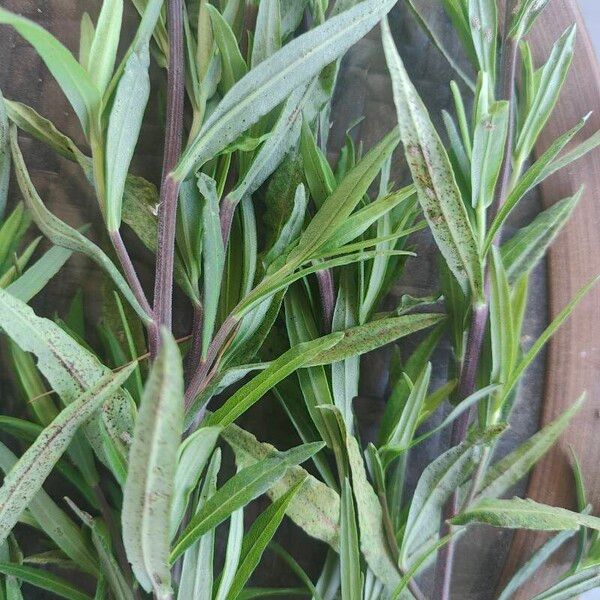
- 🌿 The Leaves: Long, narrow, and lance-shaped, these leaves strongly resemble those of a willow tree. They are smooth to the touch and typically lack the "teeth" or jagged edges found on other aster species.
- 🌸 The Blooms: Small, daisy-like flowers appear in dense, branching clusters. They usually feature pale violet, lavender, or occasionally white ray florets surrounding a bright golden-yellow center that turns reddish-purple with age.
- 📏 The Stature: This is a "back of the border" plant. It can easily reach heights of 3 to 5 feet, supported by stiff, smooth stems that often take on a reddish tint in the sunlight.
🏡 In Your Garden
- 💧 Wet Feet Welcome: Unlike many garden plants that fear root rot, the Willowleaf Aster thrives in moist to wet soils. It is a perfect candidate for rain gardens, drainage ditches, or low-lying spots in your yard where the grass stays soggy.
- 🦋 The Pollinator Highway: Because it blooms late (September through October), it serves as a critical fueling station for migrating Monarch butterflies and native bees. If you want a "living" garden, this plant is a magnet for beneficial insects.
- 🏃 A Spreading Habit: It spreads via underground rhizomes, meaning it likes to travel. In a small, tidy flower bed, it might become a bit bossy; it is much happier in "wilder" landscapes or large prairie-style patches where it can roam freely.
⚠️ Safety & Toxicity
- ✅ Safe Status: Symphyotrichum praealtum is generally considered non-toxic to humans, dogs, cats, and horses.
- 🌾 Skin Sensitivity: While not poisonous, some gardeners with sensitive skin may experience mild mechanical irritation (itchiness) from handling the dried stems or foliage. Wearing gloves during autumn clean-up is a good practice.
✨ Fun Fact
The Willowleaf Aster is a key survivor in the "Tallgrass Prairie" ecosystem. It has evolved to be so sturdy that it can withstand heavy autumn winds and rains that would flatten most other garden flowers!

Detailed Care Instructions

Place in a bright room that is sun drenched almost all day. Or directly in a south-facing window.

Some plants require more regular watering than others, which should be done every few days. It's critical to maintain the soil moist all of the time. The water requirements of the same plant placed in pots with varying sizes will differ. Because the water in the smaller pot evaporates faster than the water in the larger pot, it will require more watering. Regardless of pot size, the surface should constantly be maintained moist.







