Plant Overview
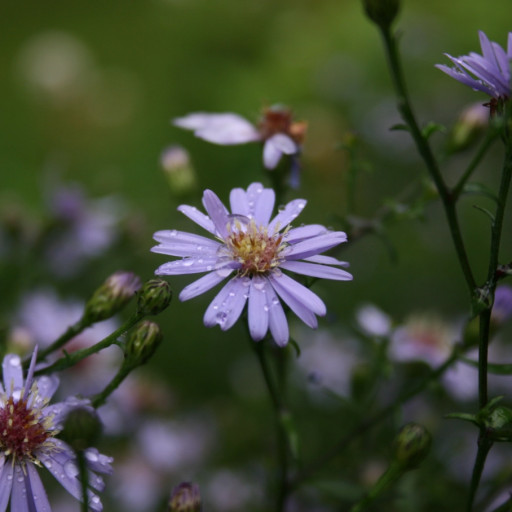
Often called the "Last Hurrah" of the garden, the Symphyotrichum genus—commonly known as New World Asters—provides a spectacular burst of color just as other plants are fading for the winter. Known as "Michaelmas Daisies" or "Frost Flowers," these resilient beauties are the crown jewels of the autumn landscape, offering a vital nectar source for butterflies preparing for migration.
🔍 How to Identify
- 🌼 The Flower Head: They feature classic daisy-like composite blooms with a central yellow disk surrounded by numerous "ray" petals in shades of lavender, deep purple, hot pink, or crisp white.
- 🍃 Leaf Structure: Most species have simple, alternate, lance-shaped leaves that can range from smooth to slightly hairy, depending on the specific variety.
- 🌿 Growth Habit: They typically grow in mounded or upright clumps, often becoming quite bushy and woody at the base as the season progresses.
🏡 In Your Garden
- 🌬️ The Mildew Factor: While hardy, these plants appreciate good air circulation. To prevent powdery mildew (a common dusty-white coating on leaves), try to avoid overhead watering and give them plenty of elbow room.
- ✂️ The "Chelsea Chop": If your Asters tend to get too tall and floppy, pinch the stems back by half in early summer. This encourages a shorter, sturdier, and much more floriferous plant that won't require staking.
- 🦋 Pollinator Magnet: These are essential for a "Pollinator Pathway." Because they bloom so late, they are a primary food source for Monarch butterflies on their way to Mexico and bees stocking up for winter.
⚠️ Safety & Toxicity
- ✅ Pet Friendly: Good news for pet owners—most Symphyotrichum species are considered non-toxic to dogs, cats, and horses.
- 🛡️ Skin Sensitivity: While not poisonous, some individuals may experience mild skin irritation (contact dermatitis) when handling the foliage extensively, so gardening gloves are recommended during heavy pruning.
✨ Fun Fact
The name Symphyotrichum comes from the Greek words symphysis (meaning "coming together") and thrix (meaning "hair"). This refers to a botanical trait where the hair-like bristles on the seeds are joined at the base—a tiny detail that helped botanists distinguish them from their European cousins!

Detailed Care Instructions
To grow Symphyotrichum plants, also known as asters, follow these steps:
- Choose the right variety: Select a Symphyotrichum species or cultivar that is suitable for your garden and climate. There are many different types of asters available, such as New England asters (Symphyotrichum novae-angliae) or New York asters (Symphyotrichum novi-belgii). Make sure to research the specific requirements and characteristics of the variety you choose.
- Select a suitable location: Asters prefer full sun to partial shade. Choose a spot in your garden that receives at least 6 hours of direct sunlight per day. Ensure the soil is well-drained to avoid waterlogged conditions which can cause root rot.
- Prepare the soil: Asters prefer moist, fertile soil. Enhance your garden soil by adding organic matter like compost or well-rotted manure before planting. This helps improve drainage and provides essential nutrients.
- Planting: Dig a hole that is twice the size of the root ball of your aster plant. Gently place the plant into the hole, ensuring the top of the root ball is level with the soil surface. Space multiple plants about 12-24 inches apart, depending on the size of the variety.
- Watering: Asters require regular watering, especially during dry periods. Water deeply and thoroughly, allowing the soil to dry slightly between waterings. Avoid overwatering, as asters do not tolerate constantly wet feet.
- Mulching: Apply a layer of organic mulch around the base of the plants to help conserve moisture, suppress weed growth, and regulate soil temperature.
- Pruning: Pinch back or prune asters in early summer or mid-spring to encourage bushier growth and prevent legginess. Cut back about one-third of the stem length to encourage branching and more robust flowering.
- Fertilizing: Asters generally do not require heavy feeding, but you can apply a balanced fertilizer in early spring to promote healthy growth and blooming. Follow the manufacturer's instructions when applying fertilizers.
- Pests and diseases: Monitor your asters regularly for common pests like aphids or powdery mildew. If you notice any issues, promptly treat them with appropriate organic or chemical control methods.
- Divide and propagate: Asters benefit from division every few years to maintain their vigor. Divide overcrowded clumps in early spring or after blooming. Dig up the clump, carefully separate the individual plants, and replant them with adequate spacing.
By following these steps, you can successfully grow Symphyotrichum plants and enjoy their beautiful flowers in your garden.

Place in a bright room that is sun drenched almost all day. Or directly in a south-facing window.

To water this plant, you should first check its soil to ensure that it has dried out sufficiently. When watering, you should be sure to apply water to the soil at the base of the plant rather than spraying water onto the leaves. In addition, you should be careful not to overwater the plant, as this can lead to root rot. It can be helpful to use a watering can with a fine spout or a hose with a gentle spray nozzle to avoid causing damage to the plant. Finally, you should avoid watering during the hottest part of the day and instead choose a cooler time, such as early morning or late afternoon.
- Apply a balanced fertilizer with equal amounts of nitrogen, phosphorus, and potassium.
- Fertilize the plant once a month during the growing season.
- Use a slow-release fertilizer to avoid over-fertilization and to provide nutrients to the plant gradually.
- Do not apply fertilizer during the dormant period of the plant.
- Water the plant well before applying fertilizer to avoid root burn.
- Follow the manufacturer's instructions for the amount and application of the fertilizer.
- Apply a top layer of organic compost to the soil around the base of the plant to provide additional nutrients and to improve soil quality.
- Monitor the plant's growth and adjust the fertilizer application as necessary.
Symphyotrichum plants prefer a slightly acidic, well-drained soil that is rich in organic matter. The soil should be moist but not waterlogged, as these plants do not tolerate waterlogged conditions. A soil with a pH between 5.5 and 6.5 is ideal for Symphyotrichum plants. A sandy loam soil is also preferable, as it allows for good drainage while still retaining enough moisture for the plant to thrive. Adding compost or organic matter to the soil can improve its structure and fertility, which will benefit the plant's growth and overall health. Additionally, it is recommended to avoid using heavy, clay soils that may retain too much water and suffocate the plant, and to ensure the soil is well-aerated to encourage strong root growth.
Symphyotrichum is a perennial plant that can be propagated through several methods, including division, stem cuttings, and seed propagation.
- Division: In the early spring or fall, when the plant is dormant, dig up the root ball carefully and separate it into smaller clumps by gently pulling them apart. Each new clump should have several stems and a healthy root system. Replant the new clumps in a well-draining soil mix and water thoroughly.
- Stem cuttings: Take stem cuttings in the summer before the plant flowers. Cut a 3-4 inch stem from the parent plant that has not yet bloomed. Strip the leaves from the bottom of the stem and dip the cut end into rooting hormone powder. Plant the stem in a well-draining soil mix and keep it moist until it roots.
- Seed propagation: Collect seeds from the plant after it has bloomed. Spread the seeds on a seed-starting mix and cover them with a thin layer of soil. Keep the soil moist and warm, ideally between 70-75F, until the seeds germinate. Once the seedlings have sprouted, transplant them to individual pots and continue to care for them until they are strong enough to be planted outside.
Common pests of the american asters include Spider mites, larvae. Make a habit of checking your american asters frequently for pests so that any infestations can be caught and managed early.







