Plant Overview
Known as the "Sapphireberry" or "Asiatic Sweetleaf," Symplocos paniculata is a deciduous shrub that feels like it belongs in a gemstone collection. Native to East Asia, it is most famous for its stunning, neon-blue fruits that look almost too bright to be real. In the spring, it transforms into a fragrant white cloud, making it a multi-seasonal treasure for any landscape.
🔍 How to Identify
- 💎 The Berries: Its most iconic feature is the clusters of small, egg-shaped drupes that turn a vivid, electric sapphire blue in late summer and autumn.
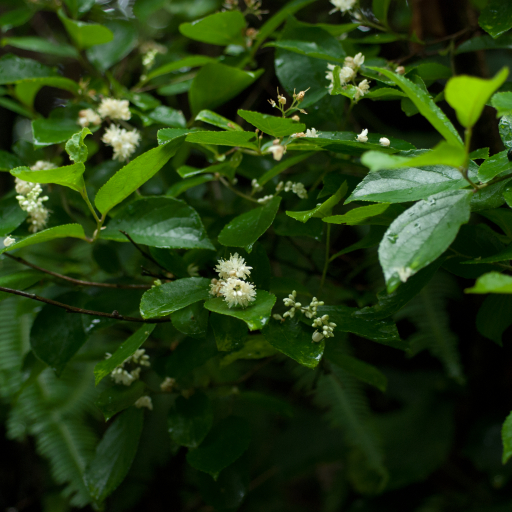
- ☁️ Spring Blooms: Produces terminal clusters (panicles) of creamy-white, deeply scented flowers that feature prominent, fuzzy stamens, giving them a "soft" appearance.
- 🌿 Folige: The leaves are dark green, elliptic to obovate, and typically have finely serrated edges with a slightly leathery texture.
🏡 In Your Garden
- 🧪 Soil Sensitivity: This plant is an acid-lover. It thrives in moist, well-drained, acidic soil; if the soil is too alkaline, the leaves may turn yellow (chlorosis) and the plant will struggle to thrive.
- 🐝 The Power of Two: While some specimens are somewhat self-fertile, you will get a much more spectacular "blue explosion" of berries if you plant two or more different shrubs nearby to encourage cross-pollination.
- 🐦 Wildlife Magnet: It is a high-value plant for birds, who are attracted to the brilliant berries, though they often wait until the first frost to feast on them.
⚠️ Safety & Toxicity
- ✅ Status: Non-toxic and generally safe.
- 🐾 Details: There are no known records of Symplocos paniculata being poisonous to humans, dogs, or cats. While the berries aren't a traditional human snack, they are perfectly safe to have around curious pets and children.
✨ Fun Fact
The genus name Symplocos comes from the Greek word "symploke," meaning "connection" or "intertwining," which refers to the way the stamens are often united at the base of the flower.

Detailed Care Instructions

Place in a bright room that is sun drenched almost all day. Or directly in a south-facing window.

When the top few inches of soil dry out, water your plants. If the top few inches of soil are still moist, do not water your plant. Wait a few days, then poke your finger into the soil to see if anything has changed. Overwatering poses a disease risk, such as the development of fungal diseases in the roots. These plants have adaptations in there leaves that allow them to survive in low water supply.








