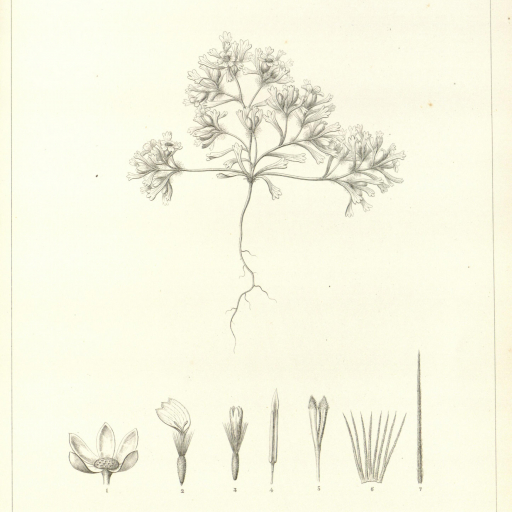
Plant Overview
Known fondly as Fremont's Gold, this petite desert wildflower is a hidden gem of the American Southwest. Named after the 19th-century explorer John C. Frémont, these "belly plants" are so small that hikers often have to get down on their hands and knees to truly appreciate their intricate beauty. During a good bloom year, they transform the harsh, dusty Mojave floor into a shimmering carpet of bright yellow.
🔍 How to Identify
- 🌼 The Bloom: These tiny daisy-like flowers feature bright yellow centers surrounded by five yellow ray petals, each often notched at the tip.
- ☁️ Woolly Texture: The stems and leaves are covered in fine, white, cobweb-like hairs, which help the plant reflect intense desert sunlight and trap moisture.
- 🍃 Leaf Shape: The leaves are small and wedge-shaped, usually concentrated near the base of the plant, often ending in three small teeth.
🏡 In Your Garden
- 🏜️ Desert Specialist: If you are trying to grow these in a native garden, remember they are "ephemerals." This means they live their entire life cycle in a few short weeks after a rain. They require extremely fast-draining, sandy soil to prevent root rot.
- 💧 The "Rain Trigger": In the wild, their seeds may sit dormant in the sand for years. They won't germinate until they receive the perfect amount of winter rain, making them a lesson in patience and timing for any gardener.
⚠️ Safety & Toxicity
- ✅ Status: Generally non-toxic.
- 🐾 Details: There are no known toxic effects for cats, dogs, or humans. However, because they are covered in fine hairs (trichomes), they may feel slightly "fuzzy" or scratchy to the touch, which can occasionally irritate very sensitive skin.
✨ Fun Fact
Fremont's Gold is classified as a "belly plant"—a botanical term for desert miniatures that are so tiny you have to lie on your belly to photograph or identify them! Tiny as they are, they are vital early-season food sources for desert-dwelling native bees.

Detailed Care Instructions

Water-loving plants flourish in wet or sloppy soil and near ponds. The extensive root system enables these plants to absorb plenty of water. The surface of the soil should be kept moist at all times. Place your pot in a container filled with water to guarantee that plants get enough water. If the ground becomes dry, it is recommended that you water it well. Plants in smaller pots will need to be watered more frequently. Water the soil in which the plant is standing thoroughly using a watering can.








