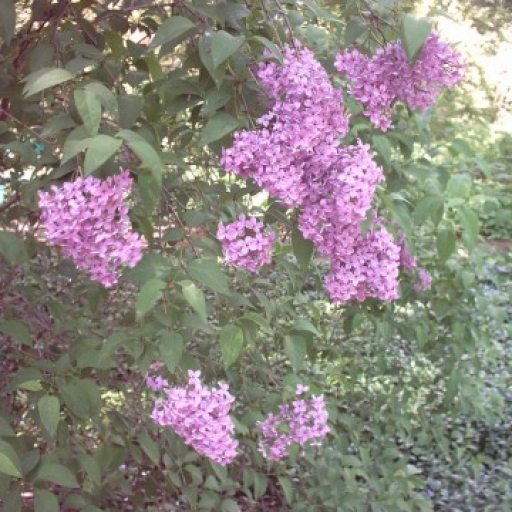
Plant Overview
Known as the "Persian Lilac," this elegant hybrid is the more graceful, refined cousin of the common garden lilac. While its name suggests the ancient gardens of Iran, it is actually a centuries-old traveler that arrived in Europe via the Silk Road. It is cherished by gardeners for its fountain-like habit and a fragrance so sweet and spicy it can perfume an entire courtyard.
🔍 How to Identify
- 🌸 The Blooms: Unlike the dense, heavy cones of common lilacs, these flowers appear in loose, airy clusters (panicles) that range from pale lavender to soft violet.
- 🍃 The Foliage: The leaves are the "dead giveaway"—they are noticeably smaller, narrower, and more lance-shaped than the heart-shaped leaves of the S. vulgaris.
- ⛲ Growth Habit: It maintains a rounded, arching "fountain" shape, typically reaching a manageable 4 to 8 feet in height, making it look much "thriftier" than its leggy relatives.
🏡 In Your Garden
- ☀️ Sun Seeker: To trigger the massive spring bloom, this plant requires full sun. In the shade, it will become sparse and "leggy," losing its characteristic graceful shape.
- 🌬️ Air Circulation: While more resistant to powdery mildew than other lilacs, it still breathes through its leaves. Planting it with some "elbow room" ensures the wind can dry the foliage and prevent fungal spots.
- ✂️ Pruning Timing: This is a "one-shot" bloomer. You must prune it immediately after the flowers fade in late spring. If you wait until winter, you will accidentally cut off the buds for next year!
⚠️ Safety & Toxicity
- ✅ Non-Toxic: The Persian Lilac is generally considered safe and non-toxic for humans.
- 🐾 Pet Safe: It is listed as non-toxic to dogs, cats, and horses by the ASPCA. It is a "worry-free" addition to a landscape where pets like to roam and sniff.
✨ Fun Fact
Despite its name, the Persian Lilac isn't actually native to Persia (modern-day Iran). It is a natural hybrid of two wild species from the mountains of China and Afghanistan. It earned its name because European botanists first "discovered" it in Persian gardens during the 1600s, where it had been a staple for centuries.

Detailed Care Instructions
To grow a Syringa X Persica plant, also known as Persian lilac, you can follow these steps:
- Select a location: Choose a spot in your garden that receives full sun to partial shade. Ensure that the soil is well-draining and has a slightly acidic to neutral pH level.
- Prepare the soil: Dig a hole that is wide and deep enough to accommodate the plant's root ball. Loosen the soil at the bottom of the hole and mix in some compost or well-rotted manure to improve its fertility and drainage.
- Planting: Gently loosen the roots of the Syringa X Persica plant before placing it in the prepared hole. Position the plant at the same depth it was in its nursery container. Backfill the hole with soil, ensuring that there are no air pockets around the roots. Firmly press the soil around the plant.
- Watering: Water the plant thoroughly after planting to settle the soil around the roots. Keep the soil evenly moist but not overly wet. It is crucial to provide regular water during the plant's establishment period.
- Mulching: Apply a layer of organic mulch, such as wood chips or shredded bark, around the base of the plant. Mulching helps retain soil moisture, suppresses weed growth, and protects the roots from extreme temperatures.
- Pruning: Syringa X Persica plants benefit from regular pruning to maintain their shape and overall health. Prune in late winter or early spring by removing dead, damaged, or crossing branches. Also, remove any suckers that may emerge from the base of the plant.
- Fertilizing: Apply a balanced slow-release fertilizer in early spring to promote healthy growth and blooming. Follow the manufacturer's instructions for application rates.
- Pest and disease control: Monitor the plant for common pests like aphids, scale insects, or powdery mildew. If any issues arise, treat accordingly with organic or chemical methods.
- Winter care: Syringa X Persica is generally hardy, but if you live in a region with extremely cold winters, consider providing some protection with a layer of mulch or burlap around the base of the plant.
- Enjoying the blooms: Syringa X Persica plants typically produce fragrant, pale lavender flowers in late spring or early summer. Admire and enjoy the beautiful blooms and their pleasant fragrance throughout the flowering season.
Remember to regularly monitor the plant's health, water as needed, and provide adequate care to ensure the optimal growth of your Syringa X Persica plant.

Place in a bright room that is sun drenched almost all day. Or directly in a south-facing window.

To water this plant, you will want to ensure that the soil around the base of the plant is moist, but not overly saturated. You can achieve this by watering deeply once or twice a week, allowing the soil to dry out slightly between waterings. Be sure to avoid getting water on the foliage or blooms, as this can cause damage or disease. Consider using a drip irrigation system or watering at the base of the plant with a watering can or hose. Monitoring the soil moisture levels regularly and adjusting your watering frequency accordingly can help ensure the health and vitality of this plant.
For best results, fertilize your plant during the growing season using a slow-release fertilizer with balanced nutrients. Apply the fertilizer according to the manufacturer's instructions, and make sure to water the plant well before and after fertilizing. Avoid over-fertilizing, as this can lead to excessive growth and weaken the plant. Regularly remove any dead or damaged foliage to keep the plant healthy and improve air circulation.
Syringa X Persica plants prefer to grow in well-draining soil that is fertile and humus-rich. The soil should have a slightly acidic to neutral pH level (between 6.0 and 7.5). Additionally, regular watering is necessary to maintain proper soil moisture levels.
To achieve this type of soil, you may want to start with a soil mixture that contains a combination of topsoil, peat moss, and compost. This blend will allow for good drainage while also providing the plant with essential nutrients.
It is best to avoid using heavy clay soils or soils that are prone to becoming waterlogged. These types of soils can lead to root rot or other negative impacts on plant growth and health.
Overall, selecting the right soil for Syringa X Persica plants is essential for promoting healthy growth and development.
To propagate this plant, you will need to take softwood cuttings in the late spring or early summer. These should be taken from the current year's growth, and should be around 4-6 inches long. Remove the lower leaves from the cutting, leaving only a few at the top, and dip the cut end in rooting hormone. Plant the cutting in a well-draining soil mix and keep it moist, but not waterlogged. Place the cutting in a bright location with indirect light, and cover it with a plastic bag to create a humid environment. Keep the soil moist and after a few weeks, the cutting should begin to root and new growth should appear. Once the cutting has established roots, it can be transplanted into a larger container or planted in the garden.
Common pests of the persian lilac include Spider mites, aphids, larvae. Make a habit of checking your persian lilac frequently for pests so that any infestations can be caught and managed early.








