Plant Overview
Often called the "Mexican Marigold" or "Cempasúchil," Tagetes erecta is the vibrant, golden crown of the summer garden. Despite the common name "African Marigold," this sun-loving giant actually hails from the highlands of Mexico, where it was first cultivated by the Aztecs. In Mexican culture, it is the iconic "Flower of the Dead," believed to guide spirits back to their families during Día de los Muertos with its glowing petals and musky perfume.
🔍 How to Identify
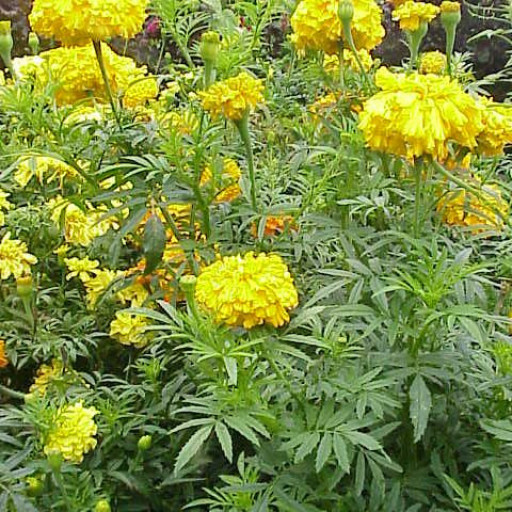
- 🌼 The Blooms: Massive, "pom-pom" shaped flower heads that can reach 3–5 inches across, appearing in shades of bright lemon yellow, deep gold, and vivid orange.
- 🌿 The Foliage: Deeply divided, fern-like leaves that are dark green and have a distinctive, pungent herbal scent when brushed or crushed.
- 📏 Growth Habit: Unlike its shorter "French" cousins, this variety is upright and sturdy, often growing between 1 and 3 feet tall on thick, branched stems.
🏡 In Your Garden
- 🛡️ Natural Bodyguard: Marigolds are legendary companion plants. They produce alpha-terthienyl in their roots, which helps suppress harmful soil nematodes and discourages whiteflies and aphids.
- ✂️ Deadheading Rewards: To keep the "pom-poms" coming all summer, you must pinch off faded blooms. This prevents the plant from setting seed too early and redirects energy into new flower buds.
- ☀️ Sun Seeker: These plants are true sun-worshippers; they require at least six hours of direct light to prevent their heavy stems from becoming "leggy" or flopping over.
⚠️ Safety & Toxicity
- 🐾 Non-Toxic to Mild Irritant: While generally considered safe, the sap in the stems and leaves can cause minor skin irritation (dermatitis) in sensitive gardeners.
- 🐱 Pet Caution: If ingested by curious cats or dogs, it may cause mild stomach upset or drooling, but it is not considered life-threatening.
✨ Fun Fact
The "African" in its name is actually a historical mistake! In the 16th century, the seeds were brought from the Americas to Europe via trade routes that passed through North Africa. European gardeners mistakenly assumed they were native to the African continent and the name stuck for over 400 years.

Detailed Care Instructions
| Color | Yellow, Orange |
| Soil Ph | Neutral |
| Humidity | Normal |
| Lighting | Part Sun |
| Soil Type | Dry To Medium, Well-Drained Soil |
| Bloom Time | June To Frost |
| Difficulty | Easy |
| Plant Type | Annual |
| Mature Size | 3 To 4 Feet In Height |
| Native Area | Mexico, Central America |
| Temperature | 15°C - 24°C |
| Sun Exposure | Full Sun |
| Hardiness Zones | Used In All Zones |
To grow Tagetes Erecta plants, also known as African marigolds, you can follow these steps:
- Choose a suitable location: African marigolds thrive in full sunlight, so select a spot in your garden that receives at least 6-8 hours of direct sunlight per day. They also prefer well-draining soil and can tolerate a range of soil types.
- Prepare the soil: Prior to planting, prepare the soil by removing any weeds or debris. Loosen the soil to a depth of about 6-8 inches and mix in some organic matter like compost or aged manure to improve fertility and drainage.
- Start seeds indoors (optional): African marigold seeds can be started indoors about 4-6 weeks before the last expected frost date in your area. Use seed starting mix or a combination of potting soil and perlite. Sow the seeds about 1/4 inch deep in small containers or seed trays. Keep them in a warm location (around 70-75°F or 21-24°C) and provide them with plenty of light. Water regularly to keep the soil moist but not waterlogged.
- Transplant outdoors (if starting from seeds indoors): Once the danger of frost has passed and the seedlings are about 2-3 inches tall, it's time to transplant them outdoors. Harden off the seedlings by gradually exposing them to outdoor conditions over the course of a week. Then, plant them in their permanent location, spacing them about 8-12 inches apart.
- Direct sowing (alternative to starting seeds indoors): If you prefer, you can directly sow African marigold seeds outdoors after the last frost date. Sow the seeds 1/4 inch deep and thin the seedlings to the desired spacing once they are a few inches tall.
- Watering and care: Water the plants regularly, keeping the soil consistently moist but not soggy. Avoid overhead watering, as wet foliage can invite diseases. Provide a layer of mulch around the plants to help retain moisture and suppress weeds.
- Fertilization: African marigolds are generally not heavy feeders. However, you can apply a balanced, slow-release granular fertilizer or a liquid fertilizer diluted to half-strength once a month to encourage healthy growth and blooming.
- Deadheading: Regularly remove spent flowers by pinching or snipping them off. This practice, known as deadheading, promotes additional blooms and helps prevent the plant from going to seed too quickly.
- Pests and diseases: African marigolds are generally pest and disease-resistant. However, they can occasionally be troubled by aphids, snails, or slugs. Monitor your plants regularly and take appropriate action if any problems arise.
- Harvesting seeds (optional): If desired, you can harvest seeds from mature flower heads. Allow the flowers to bloom fully and then dry on the plant. Once they turn brown and the seed heads feel dry, collect the seeds and store them in a cool, dry place for future use.
With proper care and attention, your Tagetes Erecta plants should grow well and produce vibrant flowers throughout the growing season.

Place in a window with dappled sun or a spot in the middle of a room. Or directly in a window facing west or east.

To water this plant properly, you should wait until the soil has dried out slightly before watering. Overwatering can lead to root rot, so it is important to not let the plant sit in soggy soil. During periods of growth and bloom, the plant may need to be watered more frequently. It is also beneficial to water at the base of the plant instead of from above, which can protect against fungus and disease. Consider using a well-draining soil mix to prevent water from pooling in the soil.
To fertilize this plant, first choose a balanced fertilizer with equal amounts of nitrogen, phosphorus, and potassium. The best time to fertilize is during the beginning of the growing season and then again every two weeks until the end of the season.
Mix the fertilizer with water according to the instructions on the package. Then, water the plant with the fertilizer solution until the soil is thoroughly saturated. Be careful not to get the fertilizer on the leaves or flowers, as this can cause damage.
For best results, make sure the plant is well-watered before fertilizing, and avoid fertilizing during periods of drought or extreme heat.
When planting Tagetes Erecta, it is recommended to use well-draining soil with a pH range of 6.0 to 7.5. The soil should be rich in organic matter and have good fertility. It is important to ensure that the soil is not waterlogged, as this can lead to root rot and other issues. Adding compost or aged manure to the soil prior to planting can help improve soil structure and fertility. In addition, regular fertilization with a balanced fertilizer can help promote healthy growth and flowering. It is also recommended to mulch around the base of the plant to help retain moisture in the soil and suppress weeds.
To propagate this plant, you will need to collect seeds or take stem cuttings. If collecting seeds, wait until the seed heads turn brown and dry out on the plant. Once they are dry, remove them and carefully remove the seeds from the seed head. Sow the seeds in a tray of compost and keep them moist. They should germinate within a week or two.
To take stem cuttings, use clean, sharp scissors to cut off a healthy shoot from the plant. Remove the lower leaves so that the stem is bare. Dip the cut end in rooting hormone and place the stem in a pot of compost. Keep the soil moist, and after a few weeks, roots should begin to grow from the stem. Once the roots are established, the new plant can be transplanted into a larger pot or directly into the garden.
Common pests of the african marigold include Spider mites, fungus gnats, thrips. Make a habit of checking your african marigold frequently for pests so that any infestations can be caught and managed early.








