Plant Overview
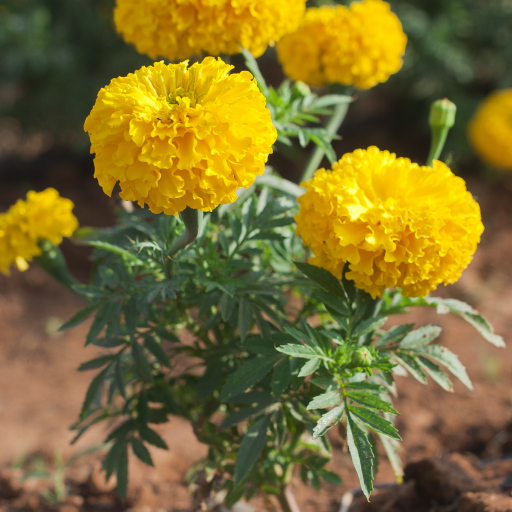
Known as the "Mountain Marigold" or wild "Cempasúchil," Tagetes lunulata is the elegant, airy cousin of the dense pom-pom marigolds found in most nurseries. This Mexican native dances across sun-drenched hillsides with a citrus-scented charm that has been cherished for centuries. It carries a deep cultural weight, often gathered from the wild to decorate altars during Día de los Muertos to help guide spirits back home with its vibrant color and pungent aroma.
🔍 How to Identify
- 🌼 Flower Structure: Unlike common hybrid marigolds, this wild variety features simple, single-layered flowers with five petals, usually in brilliant shades of gold, orange, or bi-color red.
- 🌿 Lacy Foliage: The leaves are deeply divided, feathery, and fern-like, giving the plant a delicate, "see-through" appearance in the landscape.
- 👃 Citrus Aroma: When the foliage is brushed, it releases a potent, zesty fragrance that is significantly sweeter and more lemon-like than the muskier scent of common French or African marigolds.
🏡 In Your Garden
- 🌞 Sun & Soil: This plant is a true "tough love" species. It thrives in full sun and actually prefers poor or rocky soil. If the soil is too rich or over-fertilized, the plant will grow leggy and produce fewer flowers.
- 🛡️ Pest Bodyguard: Its roots secrete a natural chemical called alpha-terthienyl, which acts as a powerful repellent against soil-borne nematodes. It is an elite companion plant for tomatoes and peppers.
- 🦋 Pollinator Magnet: Because the nectar is easily accessible in its flat, open flower shape, it is a favorite pit stop for honeybees and small butterflies.
⚠️ Safety & Toxicity
- 🐾 Pet Sensitivity: While generally considered non-lethal, the sap can cause mild skin irritation (redness or itching) for humans and "contact dermatitis" in dogs or cats.
- 🤢 Ingestion Warning: If your pet decides to snack on the flowers, they may experience mild stomach upset, drooling, or vomiting. It is best placed in areas where curious nibblers cannot reach.
✨ Fun Fact
In many traditional Mexican farming communities, the dried petals of Tagetes lunulata are mixed into chicken feed. The natural pigments in the flowers act as an organic dye, resulting in poultry with more golden skin and egg yolks with a much deeper, richer orange color!

Detailed Care Instructions
To grow Tagetes Lunulata, also known as Mexican marigold or Marvel of Peru, follow these steps:
- Choose a sunny location: Mexican marigolds require full sun to thrive. Select a spot in your garden that receives at least 6-8 hours of direct sunlight per day.
- Prepare the soil: Tagetes Lunulata can adapt to a variety of soil types but prefers well-draining soil. Amend the soil with compost or organic matter to improve drainage, fertility, and moisture retention.
- Planting: Sow the seeds directly into the soil after the last frost date in your area. Space the seeds 6-12 inches apart and plant them at a depth of 1/4 inch. Gently cover the seeds with soil.
- Watering: Keep the soil evenly moist until the seeds germinate, usually within 7-14 days. Once seedlings emerge, reduce watering frequency to allow the soil to dry slightly between waterings. Mexican marigolds are somewhat drought-tolerant once established.
- Fertilization: Feeding the plants with a balanced fertilizer once a month during the growing season will promote healthy growth and abundant flowers. Follow the instructions on the fertilizer packaging for application rates.
- Deadheading: Regularly remove spent flowers by pinching or cutting them off. This encourages the plant to produce more blooms and prevents the formation of seeds.
- Pest and disease control: Tagetes Lunulata is relatively resistant to pests and diseases. However, keep an eye out for aphids, slugs, and snails, and take appropriate measures if necessary, such as using organic insecticides or handpicking pests.
- Overwintering: Mexican marigolds are usually grown as annuals, but the plant can self-sow if allowed to go to seed. Alternatively, you can collect the seeds for sowing the following year. In colder climates, where the plant is not hardy, you can dig up the plants before the first frost and grow them as potted houseplants indoors during winter.
By following these care instructions, you can successfully grow Tagetes Lunulata and enjoy its vibrant flowers throughout the growing season.

Place in a bright room that is sun drenched almost all day. Or directly in a south-facing window.

To properly water this plant, you should first check the soil moisture level by inserting your finger about 1-2 inches into the soil. If the soil feels dry, it is time to water. Use a watering can or hose with a gentle attachment to water the soil around the base of the plant, avoiding getting water on the foliage. Water until the soil feels moist but not overly saturated, and then allow the soil to dry out slightly before watering again. It is important to not over water this plant, as it is susceptible to root rot. It is also important to water consistently, as fluctuations in soil moisture can cause stress to the plant.
- Choose a well-draining soil mix that is rich in organic matter.
- Before planting, amend the soil with compost or a slow-release fertilizer.
- Plant the seeds in a sunny location after the last frost.
- Water the seedlings regularly to keep the soil moist but not waterlogged.
- Once the plants are established, fertilize them every 2-3 weeks during the growing season with a balanced organic fertilizer.
- Trim back any leggy stems to encourage bushier growth.
- Deadhead spent flowers to promote more blooms.
- Stop fertilizing and reduce watering in the fall to prepare the plant for dormancy.
The ideal soil for Tagetes Lunulata plant is a well-draining, loamy soil with a neutral to slightly acidic pH level. The soil should have a good amount of organic matter and be able to hold moisture without becoming waterlogged. Adding compost or well-rotted manure to the soil before planting can further improve the soil structure and fertility. It is important that the soil is not too compacted as this can hinder root growth and water uptake. Additionally, the plant prefers to grow in a sunny location with some shelter from strong winds.
One way to propagate this plant is by collecting its seeds in the fall, once the flowers have withered and the seed pods have dried out. Gently remove the seed pods from the plant and open them up to release the seeds. Rinse the seeds in a strainer and let them air dry on a piece of paper. Store the seeds in a cool, dry place until the next growing season.
In the spring, prepare a well-draining soil mix in small containers and plant a few seeds in each container. Cover the seeds with a thin layer of soil and keep the containers moist but not waterlogged. Place the containers in a warm, sunny location and wait for the seeds to germinate. Once the seedlings have emerged, thin them out so that only one plant remains in each container.
As the seedlings grow, gradually expose them to more sunlight and water them regularly. Once they reach a good size, they can be transplanted into the garden or into larger containers. It is also possible to propagate this plant through stem cuttings in the summer, although this method is less common.








