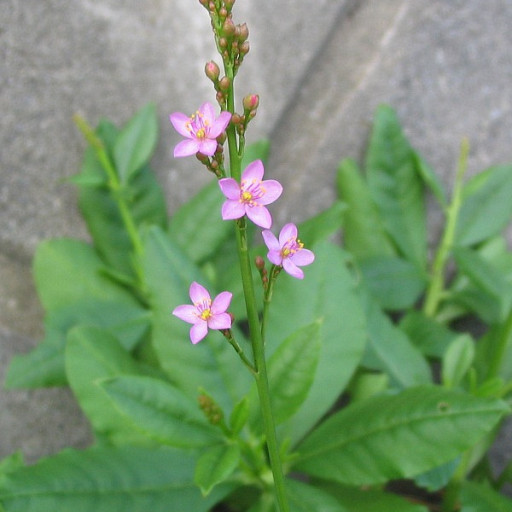
Plant Overview
Meet the "Spinach of the Tropics." Known widely as Waterleaf, Surinam Purslane, or the Fameflower, this resilient succulent-like herb is a staple in West African, Caribbean, and Southeast Asian kitchens. It is prized not just for its nutritional punch, but for its ability to thrive in sweltering heat where traditional spinach would simply wither away.
🔍 How to Identify
- 🍃 Fleshy Foliage: The leaves are bright green, smooth, and tear-drop shaped. They feel thick and waxy to the touch, a sign of their ability to store water.
- 🌸 Jewel-like Blooms: It produces clusters of tiny, delicate pink or purplish flowers. These five-petaled stars usually wait until the late afternoon to open.
- 🎋 Succulent Stems: The stems are smooth, green (sometimes tinged with red), and quite brittle. They snap easily, revealing a moist, translucent interior.
🏡 In Your Garden
- 💧 The "Waterleaf" Paradox: While it is a succulent that can handle heat, it earned the name "Waterleaf" because it loves moisture and high humidity. It is an excellent choice for those damp, hot corners of the garden where other plants might rot.
- 🌱 A Vigorous Traveler: Be mindful of where you plant it! Talinum fruticosum is a prolific self-seeder. Once the small, round seed pods dry and burst, you will likely find "volunteers" popping up in neighboring pots or pavement cracks by the next season.
⚠️ Safety & Toxicity
- 🥣 Edible Assessment: This plant is widely considered safe and highly nutritious for human consumption, packed with Vitamins A and C. It is traditionally used to thicken soups and stews.
- 🐾 Oxalate Caution: Like spinach and rhubarb, it contains oxalic acid. While harmless in moderation, it should be consumed sparingly by those prone to kidney stones. For pets, large ingestions may cause mild stomach upset or drooling due to these oxalates.
✨ Fun Fact
🕒 The Afternoon Performer: The name "Fameflower" comes from the plant’s peculiar internal clock. The flowers often refuse to open in the morning, saving their "moment of fame" for a few hours in the mid-to-late afternoon before closing again at dusk.

Detailed Care Instructions
| Humidity | Normal |
| Lighting | Part Sun |
| Difficulty | Easy |
| Temperature | 14°C - 30°C |
| Hardiness Zones | 5A - 8A |
To grow Talinum fruticosum, also known as waterleaf or Philippine spinach, you can follow these steps:
- Climate: This plant prefers warm climates with temperatures ranging from 60°F (15°C) to 85°F (29°C). It can be grown outdoors in USDA zones 9-11.
- Soil: Talinum fruticosum thrives in well-draining soil that is rich in organic matter. Prepare the soil by adding compost or well-rotted manure to improve its fertility.
- Sunlight: Provide the plant with full to partial sun exposure. It should receive at least 4-6 hours of direct sunlight daily.
- Planting: Sow the seeds directly into the prepared soil after the last frost date in spring. Plant the seeds about ¼ inch deep and space them 12 inches apart.
- Watering: Water the plants regularly to keep the soil evenly moist but not waterlogged. Avoid letting the soil dry out completely between waterings.
- Fertilization: Apply a balanced, organic fertilizer during the growing season to promote healthy growth. Follow the manufacturer's instructions for dosage and application.
- Mulching: Applying a layer of organic mulch around the plants helps to conserve moisture, prevent weed growth, and maintain an even soil temperature.
- Maintenance: Regularly monitor for pests and diseases. Remove any weeds that may compete with the waterleaf for nutrients and water. Maintain a consistent watering schedule and provide support if needed.
- Harvesting: Waterleaf can be harvested when the leaves are mature, usually around 30-40 days after planting. You can harvest the leaves individually or cut the whole plant about 2 inches above the ground. New growth will appear soon after cutting.
By following these guidelines, you can successfully grow and enjoy Talinum fruticosum in your garden.

Place in a bright room that is sun drenched almost all day. Or directly in a south-facing window.

To water this plant, it is important to do so regularly and evenly, ensuring that the soil remains consistently moist but not waterlogged. It is best to water at the base of the plant rather than directly onto the foliage, as wet leaves can lead to fungal diseases. Additionally, it is important to avoid letting the soil dry out completely between waterings, as this can cause stress to the plant and lead to decreased growth and vigor. Finally, it is a good idea to monitor the moisture levels of the plant’s soil regularly, especially during periods of hot weather or when the plant is growing rapidly, as it may require more water than usual.
To fertilize this plant, use a balanced fertilizer once a month during the growing season. Dilute the fertilizer to half strength and water the plant well before and after applying the fertilizer. Avoid over-fertilizing as this can lead to burning of the plant's roots. Additionally, consider adding compost or organic matter to the soil before planting to improve soil fertility and retain moisture.
When selecting the appropriate soil for the plant, it is important to consider its natural habitat and growing conditions. The plant prefers loose, well-draining soil that is rich in organic matter. A soil pH between 6.0-7.5 is ideal for optimal growth.
To create the appropriate soil mixture, start with a base of high-quality potting soil or garden soil. Add in organic matter such as compost or leaf mold to improve soil structure and fertility. To improve drainage, add perlite or coarse sand to the mixture. It is also recommended to add a slow-release fertilizer or top-dress the plant with compost or worm castings to provide additional nutrients throughout the growing season.
Avoid using heavy or compacted soils, or soils that are prone to waterlogging, as this can lead to root rot and other problems. Regular watering and good drainage are critical for the health and vitality of the plant. With the proper soil mix and care, the plant can thrive and produce beautiful foliage and flowers.
To propagate this particular plant, take cuttings from the mature stems. Make sure the cutting is at least 10-15 cm long and has a few leaves attached to it. Remove the lower leaves and dip the stem in rooting hormone. Plant the cutting in well-draining potting soil, water well, and cover with a plastic bag or container to maintain humidity. The cutting should root within 3-4 weeks and can be transplanted into a larger pot or garden bed once it has established itself. Water regularly and provide adequate sunlight for optimal growth.
Common pests of the waterleaf include Spider mites, aphids. Make a habit of checking your waterleaf frequently for pests so that any infestations can be caught and managed early.








