Plant Overview
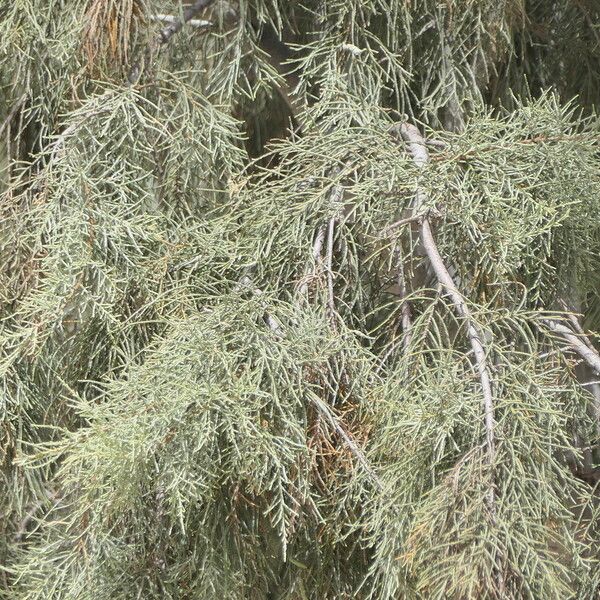
Often called the Wild Tamarisk or River Tamarisk, Tamarix usneoides is a resilient beauty that looks more like a fountain of lace than a traditional tree. Its species name, usneoides, refers to its striking resemblance to the wispy "Old Man’s Beard" lichen (Usnea), giving the plant a ghostly, ethereal appearance. Thriving in the harsh desert washes of Southern Africa, it is a master of survival, often standing as a lone green sentinel in salt-crusted landscapes.
🔍 How to Identify
- 🍃 Feathery Foliage: The leaves are not broad but consist of tiny, grey-green scales that overlap like fish skin, giving the branches a soft, drooping, hair-like texture.
- 🌸 Mist-like Blooms: It produces dense, pendulous clusters of tiny, creamy-white to pale pink flowers that appear to "mist" the ends of the branches during the blooming season.
- 🪵 Rugged Bark: As it matures, the trunk develops a dark, rough, and deeply fissured bark that creates a dramatic contrast against its delicate, airy canopy.
🏡 In Your Garden
- 🌊 The Salt Secretion: This plant is a "halophyte," meaning it thrives in salty soils. It actually "sweats" salt through specialized glands on its leaves; you may occasionally see tiny white crystals glinting on the foliage.
- 🌬️ Natural Windbreak: Thanks to its deep taproot and flexible, wiry branches, it is a champion at stabilizing soil and acting as a windbreak in coastal or arid gardens where other plants would be shredded by the elements.
- 💧 Deep Drinker: While it is incredibly drought-tolerant, it is technically a "phreatophyte." This means its roots will travel deep into the earth to find the water table, so avoid planting it near underground pipes or septic lines.
⚠️ Safety & Toxicity
- ✅ Generally Safe: Tamarix usneoides is not considered toxic to humans, dogs, or cats. It is a safe addition to family landscapes.
- 🤲 Skin Sensitivity: The leaves and bark contain high levels of tannins. While not poisonous, the sap may cause very mild skin irritation or dryness for those with sensitive skin during heavy pruning; wearing gloves is a good precaution.
✨ Fun Fact
Tamarix usneoides has a "rain" superpower! At night, the salt crystals on its leaves absorb moisture from the humid air. As the sun rises and the droplets get heavy, they fall to the ground, effectively "watering" the tree's own roots with self-harvested dew—a brilliant survival trick in the desert.

Detailed Care Instructions
Tamarix Usneoides, also known as Spanish Moss, is a unique and interesting plant that can be grown in a few different ways. Here are some tips to help you successfully grow Tamarix Usneoides:
- Soil: Tamarix Usneoides prefers well-draining soil that is sandy or loamy. Avoid clay soils as they can hold too much moisture and cause root rot.
- Watering: Spanish Moss is drought-tolerant once established, but young plants will need regular watering to establish roots. Water deeply and allow the soil to dry out between waterings.
- Sunlight: Tamarix Usneoides prefers full sun to partial shade. It can tolerate some shade, but may not grow as vigorously or flower as well.
- Fertilization: Spanish Moss does not require much fertilization. A light application of balanced fertilizer in the spring and summer can help promote growth.
- Pruning: Prune Tamarix Usneoides to remove dead or damaged growth and to shape the plant. Be careful not to prune too heavily, as Spanish Moss can be slow to regrow.
- Propagation: Spanish Moss can be propagated by division or by seed. Division is the easiest method, simply separate clumps of the plant and replant in a new location.
- Pests and Diseases: Spanish Moss is relatively pest and disease-resistant, but keep an eye out for aphids, scale insects, and powdery mildew. Treat any issues promptly to prevent them from spreading.
By following these tips and providing the right growing conditions, you can successfully grow Tamarix Usneoides and enjoy its unique beauty in your garden.

Place in a bright room that is sun drenched almost all day. Or directly in a south-facing window.

Tamarix Usneoides plants require regular watering to thrive, especially during periods of hot, dry weather. The soil should be kept consistently moist but not waterlogged, as these plants prefer well-draining soil.
To water a Tamarix Usneoides plant, thoroughly soak the soil around the base of the plant, allowing the water to penetrate deeply into the root system. Watering in the early morning or late evening is best to prevent evaporation and ensure the plant has enough moisture throughout the day.
It is important to monitor the moisture levels of the soil regularly and adjust the watering frequency as needed based on the plant's specific requirements. Overwatering can lead to root rot and other issues, so it's important to find the right balance for your plant.
To fertilize the Tamarix Usneoides plant, apply a balanced fertilizer with a higher proportion of nitrogen in the early spring before new growth begins. Follow the manufacturer's instructions for the correct dosage and frequency of application. Be sure to water the plant thoroughly after fertilizing to help the nutrients penetrate the soil and reach the plant's roots. Avoid over-fertilizing, as this can harm the plant and disrupt its natural growth patterns.
Tamarix Usneoides plant thrives in well-draining soil that is slightly acidic to neutral in pH. A sandy or loamy soil is ideal for this plant, as it allows for excellent drainage and prevents waterlogging, which can lead to root rot. Adding organic matter such as compost or peat moss to the soil can improve its structure and fertility, promoting healthy growth and blooming of the plant. Additionally, a balanced fertilizer specifically formulated for flowering plants can be applied to the soil during the growing season to provide essential nutrients for optimal growth and flowering. It is important to monitor the soil moisture levels regularly and water the plant as needed to prevent drought stress or waterlogged conditions, as both can negatively affect the health and vigor of the Tamarix Usneoides plant.
To propagate the plant, follow these steps:
- Take a cutting from a healthy Tamarix Usneoides plant during the spring or summer months. The cutting should be about 4-6 inches long and taken from a branch that is not flowering.
- Remove the lower leaves from the cutting, leaving only a few at the top to help with photosynthesis.
- Dip the cut end of the cutting in a rooting hormone to help encourage new root growth.
- Plant the cutting in a pot filled with a well-draining soil mix, such as a mix of sand and peat moss. Make sure the cutting is planted at a depth of about 1-2 inches.
- Water the cutting thoroughly and place it in a location with bright, indirect sunlight.
- Keep the soil consistently moist, but not waterlogged, while the cutting establishes roots. You can cover the cutting with a clear plastic bag to help retain moisture and create a humid environment.
- After a few weeks, check for root growth by gently tugging on the cutting. If there is resistance, roots have formed and the cutting can be transplanted into a larger pot or directly into the garden.
- Continue to care for the newly propagated plant by providing it with regular watering, sunlight, and occasional fertilization to promote healthy growth.







