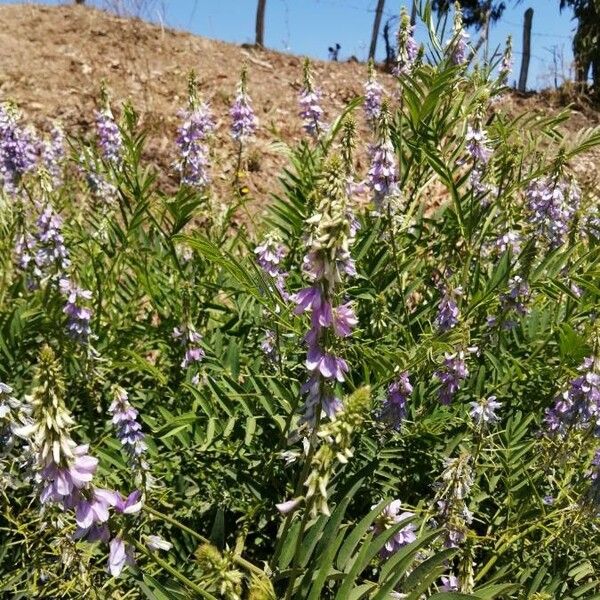
Plant Overview
Often called the Cinereous Hoarypea, this resilient member of the legume family looks as though it has been lightly dusted with volcanic ash. It is a master of survival, frequently found gracing the sandy coastal dunes and sun-baked plains of the Americas and the Caribbean. With its shimmering foliage and delicate pea-like blooms, it acts as a soft, silvery carpet that protects the soil from erosion.
🔍 How to Identify
- 🌿 The Foliage: Look for compound leaves covered in fine, silky hairs that give the plant its signature "hoary" or silvery-grey appearance.
- 🌸 The Flowers: It produces small, elegant blooms that range from pale pink to a deep reddish-purple, typically clustered at the ends of the stems.
- 🌱 Growth Habit: This is a low-growing, sprawling plant; its stems often trail along the ground, forming a dense, protective mat rather than growing tall.
🏡 In Your Garden
- 🏜️ Tough as Nails: This plant thrives in poor, sandy soils where most flowers would wither. It is a "nitrogen-fixer," meaning it actually improves the quality of the soil it inhabits by pulling nutrients from the air.
- ☀️ Sun Seeker: It requires full sun to maintain its silvery sheen. In the shade, it may become leggy and lose the dense, fuzzy texture that protects it from dehydration.
- ⚓ Deep Roots: Because it develops a sturdy taproot to find water deep underground, it is notoriously difficult to transplant. It is best to sow seeds exactly where you want them to stay.
⚠️ Safety & Toxicity
- 🚫 Status: Potentially toxic if ingested.
- 🐟 Fish Poison Heritage: Like many species in the Tephrosia genus, this plant contains rotenone, a natural chemical once used by indigenous cultures to stun fish in slow-moving water.
- 🐾 Pet Safety: While not usually fatal in small grazing amounts, it is best kept away from curious pets and livestock, as the chemical compounds can cause digestive distress or neurological issues if consumed in high quantities.
✨ Fun Fact
The genus name Tephrosia comes from the Greek word tephros, which literally translates to "ash-colored." This is a direct tribute to the plant's beautiful, shimmering grey leaves that look like they’ve been touched by moonlight.

Detailed Care Instructions
Here are some steps you can follow to grow Tephrosia cinerea plant:
- Propagation: Tephrosia cinerea can be grown from seeds or stem cuttings. If using seeds, scarify them by nicking or scratching the hard outer seed coat with a knife before planting. This will help improve germination rates.
- Soil: Choose a well-draining soil mix that is rich in organic matter. Tephrosia cinerea prefers slightly acidic to neutral soil pH (around 6.0 to 7.5).
- Planting: If starting from seeds, sow them directly into the soil at a depth of about 1/4 inch to 1/2 inch. Water the soil lightly, keeping it moist but not waterlogged. If using stem cuttings, prepare the cutting by removing the lower leaves and dip it in rooting hormone before placing it in a pot filled with moist soil.
- Sunlight: Tephrosia cinerea thrives in full sun to partial shade. Place your plant in a location where it will receive at least 6 hours of direct sunlight per day.
- Watering: Water the plant regularly, allowing the soil to dry out slightly between watering sessions. Avoid overwatering, as it can lead to root rot.
- Fertilization: Apply a balanced fertilizer once a month during the growing season to promote healthy growth. Follow the instructions on the fertilizer packaging for proper application rates.
- Pruning: Prune the plant regularly to maintain its shape and promote bushier growth. Remove any dead or damaged branches to keep the plant healthy.
- Pests and diseases: Tephrosia cinerea is generally resistant to most common pests and diseases. However, keep an eye out for any signs of pests such as aphids or spider mites, and take appropriate measures to control them if necessary.
- Mulching: Adding a layer of organic mulch around the base of the plant can help retain moisture, suppress weed growth, and improve soil fertility.
- Winter care: Tephrosia cinerea is a perennial plant that may go dormant during the winter months. Provide some protection, such as bringing it indoors or covering it with a frost cloth, if you live in a region with extremely cold temperatures.
Following these steps should help you successfully grow Tephrosia cinerea plant. Happy gardening!

Place in a bright room that is sun drenched almost all day. Or directly in a south-facing window.

To properly water Tephrosia Cinerea, it is essential to consider its specific moisture requirements. Here are some guidelines to ensure appropriate watering:
1. Understand the plant's natural habitat: Tephrosia Cinerea is native to certain regions, and knowing its origin can provide valuable insights into its watering needs. Research about the plant's ecological preferences for moisture levels in its natural environment can guide your watering practices.
2. Observe the soil moisture: Regularly check the moisture level of the soil in which the Tephrosia Cinerea plant is growing. The soil should be evenly moist but not waterlogged. Avoid letting the soil dry out completely between waterings.
3. Understand its water requirements: Tephrosia Cinerea may have specific water requirements depending on its growth stage, season, and other factors. Younger plants generally need more frequent watering compared to mature ones, while the water needs may increase during hot and dry periods.
4. Adjust watering frequency based on environmental conditions: Factors like climate, temperature, and humidity can influence the watering needs of Tephrosia Cinerea. Plants may require more frequent watering during hot and dry conditions to prevent dehydration, whereas cooler and more humid environments may necessitate less frequent watering.
5. Watering methods: When watering Tephrosia Cinerea, use a gentle and even watering technique to avoid soil erosion and disruption of delicate roots. Consider using a watering can or a hose attachment with a gentle spray nozzle to evenly distribute water around the plant's base.
6. Adequate drainage: Make sure the container or planting area has proper drainage to prevent waterlogging. Excess water in poorly drained soil can lead to root rot or other plant health issues. Ensure that excess water can freely escape from the container or that the planting bed has well-draining soil.
7. Monitor signs of overwatering or underwatering: Regularly inspect the plant for signs that indicate whether it is receiving too much or too little water. Symptoms of overwatering can include yellowing leaves, root rot, or a strong musty smell. Conversely, underwatering may cause wilting, dry leaves, or a general decline in the plant's health. Adjust watering accordingly if these signs are observed.
Remember, every plant is unique, and the information provided above is general guidance. Observing your Tephrosia Cinerea plant closely and understanding its specific requirements will enable you to establish an effective watering routine for its optimal growth.
- Choose a well-draining pot or planting site for your Tephrosia Cinerea plant. Ensure that the soil is loose and fertile.
- Before planting, prepare the soil by loosening it and removing any weeds or debris. This will provide a clean and healthy environment for the plant to grow.
- Start by adding a slow-release balanced fertilizer to the soil, following the package instructions for the appropriate amount. This will provide a steady supply of nutrients over time.
- Mix the fertilizer into the soil thoroughly, ensuring it is evenly distributed.
- Water the plant deeply after fertilizing to help the nutrients penetrate the soil and reach the plant's root system. It is important to water thoroughly but avoid overwatering, as excessive moisture can lead to root rot.
- Repeat the fertilizing process every 4-6 weeks during the growing season, typically spring to fall. Adjust the frequency based on the plant's response and overall health.
- Alternatively, you can use a liquid fertilizer specifically formulated for flowering plants. Dilute the fertilizer according to the package instructions and apply it directly to the soil or as a foliar spray, being careful to avoid direct contact with the plant's foliage.
- Monitor your Tephrosia Cinerea plant for any signs of nutrient deficiencies or excesses. Symptoms like yellowing leaves, stunted growth, or wilting can indicate a need for adjustment in the fertilizer regimen.
- During winter or periods of dormancy, reduce or cease fertilization as the plant's nutrient requirements decrease. Resume fertilizing in spring when active growth resumes.
Note: It is always essential to read and follow the instructions provided on the fertilizer packaging, as different products may have specific recommendations for application rates and frequency.
Tephrosia cinerea is a plant species that requires a specific type of soil to thrive. It grows best in well-drained soil that is relatively loose and friable. The soil should have a pH level ranging from slightly acidic to neutral.
When choosing soil for Tephrosia cinerea, it is important to consider its nutrient requirements. This plant prefers soil that is rich in organic matter, as it helps in providing essential nutrients for growth. Adding compost or well-rotted manure to the soil before planting will provide the necessary organic matter.
Additionally, Tephrosia cinerea prefers soil that retains moisture well and at the same time prevents waterlogging. Therefore, the soil should have good water drainage to avoid waterlogged conditions, which can cause root rot and damage the plant.
Furthermore, it is recommended to ensure the soil has good aeration, which allows oxygen to reach the roots. This can be achieved by incorporating materials such as coarse sand or perlite into the soil to improve its structure.
In summary, Tephrosia cinerea thrives in well-drained, slightly acidic to neutral soil with ample organic matter. The soil should retain moisture while also allowing for good drainage and aeration.
To propagate Tephrosia cinerea plant, you can follow these steps:
- Collection of seeds: Start by collecting mature seeds from the plant. These seeds are usually enclosed in pods, so wait until the pods turn brown and dry before harvesting them. Carefully remove the pods from the plant and collect the seeds.
- Preparing the seeds: Before sowing the seeds, it is advisable to scarify or roughen the hard outer seed coat. This can be done by gently rubbing the seeds against a fine sandpaper or by soaking them in hot water for a few hours. This process will help improve germination rates.
- Soil mix: Prepare a well-draining soil mix for sowing the seeds. A mixture of equal parts of garden soil, compost, and sand is ideal. Fill small pots or seed trays with this mixture and lightly firm it down.
- Sowing seeds: Place the scarified seeds on the soil surface and cover them with a thin layer of the soil mix. The depth of sowing should be about twice the size of the seed. Gently press down on the soil to ensure good seed-to-soil contact.
- Watering: Water the pots or trays gently to moisten the soil. Avoid overwatering, as this can lead to rotting of the seeds. It is essential to maintain a moist environment throughout the germination process.
- Germination: Place the seed trays or pots in a warm location with indirect light. Tephrosia cinerea seeds usually germinate within 1-2 weeks, but it may take longer. Keep the soil consistently moist during this period.
- Transplanting: Once the seedlings have grown a few sets of true leaves, they can be transplanted into separate pots. Carefully lift the seedlings, taking care not to damage the delicate roots, and replant them in bigger pots filled with well-draining soil.
- Care: Provide the newly transplanted seedlings with adequate water, sunlight, and protection from harsh weather conditions. Tephrosia cinerea plants prefer full sun to partial shade and well-draining soil. Regularly monitor the moisture levels of the soil and water as needed to keep it evenly moist.
By following these steps, you should be able to successfully propagate Tephrosia cinerea plant from seeds and nurture them into healthy, mature plants.








