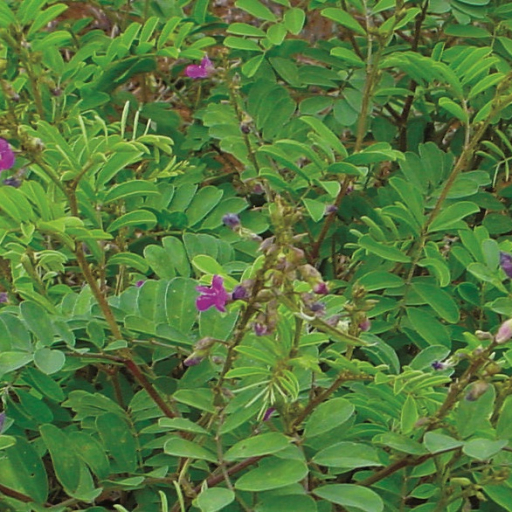
Plant Overview
Known by the poetic name Wild Indigo or the "Purple Tephrosia," Tephrosia purpurea is a resilient, sun-loving legume that has traveled from the tropical shores of Africa and Asia to gardens worldwide. Often referred to in Ayurvedic traditions as "Sarwa-phunka" (the plant that heals all), it is prized as much for its medicinal history as it is for its ability to survive in harsh, sandy soils where other plants might wither.
🔍 How to Identify
- 🌿 Feathery Foliage: The leaves are pinnate, meaning they look like small green feathers, typically composed of 9 to 21 tiny, blunt-tipped leaflets.
- 🌸 Pea-Like Blooms: It features delicate, butterfly-shaped flowers in shades of bright purple, pink, or occasionally white, which grow in elongated clusters.
- 🌱 Seed Pods: After flowering, it produces flat, slightly curved green pods that turn brown and "snap" open to disperse seeds when mature.
🏡 In Your Garden
- 🧪 Soil Enhancer: As a nitrogen-fixing plant, it literally breathes life back into the earth. It pulls nitrogen from the air and stores it in its roots, making it an excellent "green manure" for poor or depleted garden beds.
- ☀️ Drought Warrior: This plant is incredibly tough; it possesses a deep taproot that allows it to thrive in rocky or sandy areas with very little supplemental watering once established.
- 🦋 Pollinator Magnet: The nectar-rich purple flowers are a favorite stop for small blue butterflies and native bees, making it a great choice for a wilder, eco-friendly garden.
⚠️ Safety & Toxicity
- 🐟 Toxic to Aquatic Life: The plant contains tephrosin, a natural chemical that has historically been used to stun fish. Never plant it near garden ponds or waterways where fish reside.
- 🐾 Pet & Human Caution: While used in traditional medicine, the raw plant is not edible. If ingested in large quantities, it can cause stomach upset in pets and humans. It is best treated as an ornamental or soil-improver rather than a kitchen herb.
✨ Fun Fact
In ancient times, hunters and foragers would crush the leaves of the Wild Indigo and throw them into small pools of water; the chemicals would temporarily paralyze fish, allowing them to be easily gathered by hand!

Detailed Care Instructions
To grow Tephrosia Purpurea plant, also known as Wild Indigo or Fish Poison Bean, follow these steps:
- Select a suitable location: Tephrosia Purpurea grows well in full sun to partial shade. Make sure the location has well-draining soil.
- Prepare the soil: Prepare the soil by removing any weeds, rocks, or debris. Loosen the soil using a garden fork or tiller. Add organic matter such as compost or well-rotted manure to enrich the soil.
- Sow the seeds: Tephrosia Purpurea can be grown from seeds. Sow the seeds in the prepared soil according to the recommended planting depth specified on the seed packet. Lightly cover the seeds with soil.
- Watering: Water the planted seeds thoroughly. Keep the soil evenly moist, but not waterlogged. Avoid overwatering, as it may lead to root rot.
- Mulching: Apply a layer of organic mulch, such as straw or wood chips, around the plant to help retain moisture and suppress weed growth.
- Fertilization: Tephrosia Purpurea doesn't require heavy fertilization. However, you can apply a balanced, slow-release fertilizer during the growing season to promote healthy growth.
- Pruning: Prune the plant regularly to maintain its shape and encourage bushier growth. Remove any dead, damaged, or diseased branches.
- Pests and diseases: Keep an eye out for common pests like aphids or whiteflies. If necessary, use organic pest control methods or insecticidal soap to control them. Tephrosia Purpurea is generally resistant to most diseases.
- Harvesting: The plant starts flowering after about 3-5 months. Harvest the flowers once they fully bloom. Trim them carefully using clean garden scissors or shears.
Remember to check your local climate and follow any specific requirements for growing Tephrosia Purpurea in your region.

Place in a bright room that is sun drenched almost all day. Or directly in a south-facing window.

To water this plant, it is important to thoroughly soak the soil. This can be done by slowly pouring water onto the soil around the base of the plant until it starts to pool on the surface. Allow the water to slowly seep into the soil, avoiding pouring directly onto the leaves or stem. It is important to not overwater the plant, as this can lead to root rot. Wait until the top layer of soil is slightly dry before watering again. In addition, this plant prefers well-draining soil, so ensure that the pot or planting area has adequate drainage.
To fertilize this plant, you should use a balanced, water-soluble fertilizer once every two weeks during its growing season. Be sure to water the plant well before applying the fertilizer, and follow the instructions on the fertilizer package carefully. Avoid over-fertilizing as this can burn the roots and damage the plant.
Tephrosia Purpurea plants require a well-draining soil mix that is slightly acidic and rich in nutrients. The soil should be composed of a mix of organic matter, such as compost or aged manure, and mineral elements like sand or perlite to ensure proper drainage. Additionally, it is important to provide ample aeration to the roots by adding materials like vermiculite or peat moss to the soil mix. Avoid using heavy clay soils or those that are overly compacted, as these can impede root growth and water uptake. Fertilize the soil with a balanced, slow-release fertilizer to provide essential nutrients to the plant throughout the growing season.
The propagation of this plant can be done through the use of seeds or cuttings. For seed propagation, the ripe seeds can be collected and sown directly into the soil in the desired location. The soil should be well-draining and rich in nutrients. The seeds can be sown in early spring or fall and should be watered regularly until they germinate.
For propagation through cuttings, select a healthy stem from the parent plant and cut it at a 45-degree angle below a node. Remove the lower leaves and dip the cut end in rooting hormone powder. Plant the cutting in a pot filled with a well-draining soil mix and keep it moist, but not waterlogged. Place the pot in a warm, bright location with indirect sunlight.
Once the cutting forms roots, it can be transplanted into a larger pot or directly into the garden soil, ensuring that the soil is well-draining and moist. Regular watering and fertilization can help to ensure the healthy growth of the propagated plant.








