Plant Overview
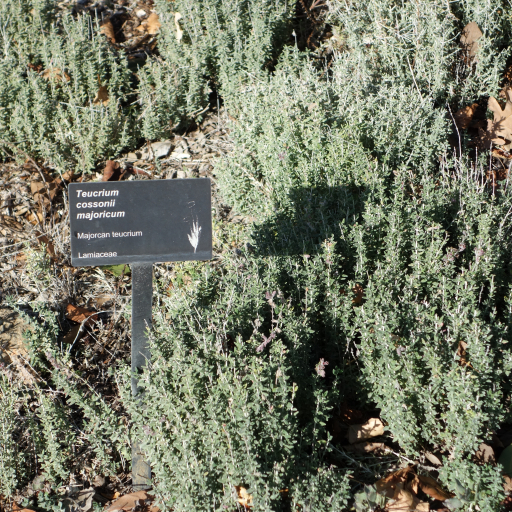
Commonly known as the "Fruity Germander," this Mediterranean gem is a favorite for rock gardens and sensory paths. Hailing from the sun-drenched Balearic Islands, it blankets rocky slopes in a beautiful silver-grey haze. Its most magical trait isn't just its resilience, but its scent—crush a leaf and you’ll be greeted by an unexpected, sweet fragrance reminiscent of pineapple or tropical fruit.
🔍 How to Identify
- 🌿 Silvery Foliage: The leaves are tiny, narrow, and covered in a soft, woolly down that gives the plant a distinct dusty-grey or silver appearance.
- 🌸 Button Blooms: During the summer, it produces dense, rounded clusters (heads) of tiny, tubular purplish-pink flowers that sit right atop the foliage.
- 📏 Prostrate Habit: It grows as a low, spreading carpet, rarely exceeding 4–6 inches in height, making it an excellent groundcover for rocky crevices.
🏡 In Your Garden
- ☀️ The Sun-Seeker: This plant is a true child of the Mediterranean; it thrives in intense heat and requires sharply draining soil. It is incredibly drought-tolerant once established but will suffer if its "feet" stay wet during the winter.
- 🦋 Pollinator Magnet: Despite its small size, the nectar-rich flowers are an absolute favorite for honeybees and small butterflies, turning your garden into a bustling hub of activity during the hottest months.
- ✂️ Mound Management: To keep it from becoming "leggy" or woody in the center, a light trim after the flowering season helps it maintain its tight, cushion-like shape.
⚠️ Safety & Toxicity
- 🐾 Pet Safety: Teucrium cossonii is generally considered non-toxic to dogs and cats, making it a safe choice for low-level landscaping where pets might brush past it.
- 👅 Not a Kitchen Herb: While it smells delicious and some germanders were historically used in folk medicine, this variety is strictly ornamental. Some Teucrium species contain compounds that can be stressful to the liver if ingested, so keep it out of the salad bowl.
✨ Fun Fact
🍍 Although it looks like a rugged, desert-dwelling shrub, the Fruity Germander is one of the few plants in the mint family that smells like a tropical fruit cocktail rather than menthol or spice!

Detailed Care Instructions
To grow Teucrium cossonii, also known as Moroccan tea plant or Silver Germander, you can follow these steps:
- Choose a suitable location: Teucrium cossonii prefers full sun to partial shade. Ensure that the location has well-draining soil.
- Prepare the soil: Teucrium cossonii grows well in rocky, sandy, or loamy soil. Make sure the soil is well-draining and amend it with compost or well-rotted manure to improve its fertility and drainage.
- Planting: Dig a hole that is slightly larger than the root ball of the plant. Place the Teucrium cossonii in the hole, making sure that the top of the root ball is level with the surrounding soil. Fill the hole with soil, gently firming it around the plant.
- Watering: Keep the soil evenly moist but not waterlogged, especially during the establishment period. After that, Teucrium cossonii is drought-tolerant, so water it sparingly, allowing the soil to dry out between waterings.
- Mulching: Apply a layer of organic mulch around the base of the plant to conserve moisture, suppress weeds, and regulate soil temperature.
- Pruning: Prune Teucrium cossonii after flowering to promote bushier growth. Cut back about one-third of the plant's height, removing any dead or damaged branches.
- Fertilizing: Teucrium cossonii is not heavy feeders, so they generally do not require much fertilizer. However, you can apply a balanced slow-release fertilizer in spring to promote healthy growth.
- Pests and diseases: Teucrium cossonii is generally resistant to most pests and diseases. However, keep an eye out for spider mites or aphids and treat them promptly if necessary.
- Propagation: Teucrium cossonii can be propagated by taking stem cuttings in spring or summer. Dip the cut ends of the stems in rooting hormone and place in a pot with well-draining soil. Keep the soil moist and provide bottom heat to encourage root development.
With proper care, Teucrium cossonii will thrive and provide lovely silver foliage and occasional spikes of purple flowers.
Teucrium Cossonii is a plant that needs regular watering to thrive. In order to water this plant, you should begin by checking the soil moisture level around the root zone. This can be done by sticking your finger about an inch into the soil. If it feels dry, the plant should be watered.
When watering Teucrium Cossonii, it is important to avoid getting the plant foliage wet, as this can lead to leaf spot diseases. Instead, direct the water towards the base of the plant, using a watering can or a gentle trickle from a hose. Water the plant deeply, allowing the water to penetrate the soil down to the root zone.
It is also important to avoid overwatering Teucrium Cossonii, as this can cause root rot and other issues. Instead, simply water the plant when the soil feels dry to the touch. Additionally, watering can be reduced during periods of heavy rainfall or when the plant enters a period of dormancy in the winter months.
To properly fertilize the Teucrium Cossonii plant, follow these instructions:
- Begin fertilizing in the spring once new growth appears. Apply the first round of fertilizer in early to mid-spring.
- Use a balanced, slow-release fertilizer with an NPK ratio of 10-10-10 or 14-14-14. This will provide a steady release of nutrients over time.
- Follow the manufacturer's instructions for the specific fertilizer you have chosen. Typically, you will need to sprinkle the granules around the base of the plant, keeping it a few inches away from the stem.
- Water the plant thoroughly after applying the fertilizer. This will help dissolve the nutrients and distribute them to the roots.
- Repeat the fertilization process every 6-8 weeks throughout the growing season, usually until late summer or early fall.
- Avoid over-fertilizing as this can lead to excessive growth and decrease the plant's overall health. Always follow the recommended dosage or use a slightly diluted amount if you are unsure.
- Monitor the plant's response to the fertilization. If you notice excessive growth but reduced flowering, reduce the frequency or strength of the fertilizer application.
- In the fall and winter months, withhold fertilizer to allow the plant to enter a period of dormancy.
- Regularly inspect the plant for any signs of nutrient deficiencies or excesses. Adjust the fertilization program accordingly.
- Always water the plant deeply before fertilizing, as applying fertilizer to dry soil can cause root burn.
Remember to wear gloves and follow safety precautions when handling fertilizers.
Teucrium cossonii will thrive in well-drained soil that is moderately fertile. A mix of sand, gravel, and loamy soil with a pH range of 6 to 7.5 is ideal for this plant. Avoid using soil with high clay content as it retains water and can lead to root rot. A top dressing of organic matter such as compost or manure can also be beneficial for the growth and health of the plant. The soil should be moist but not waterlogged, as excessive moisture can also lead to root rot. Ensure that the plant is grown in a location that receives full sun to partial shade for optimal growth.
To propagate Teucrium cossonii, you can use the method of stem cuttings. Here is a step-by-step guide:
- Select a healthy parent plant: Look for a mature and healthy Teucrium cossonii plant to take cuttings from. Ensure that the plant is free from any disease or pest infestation.
- Choose the right time: The best time to take stem cuttings is during the spring or early summer when the plant is actively growing and easily produces roots.
- Prepare the tools: Collect a clean and sharp pair of pruning shears or garden scissors, a clean cutting board or surface, and some disposable rooting hormone powder.
- Locate suitable stems: Identify suitable stems by looking for young, vigorous growth. These stems should be around 4-6 inches long and have at least three sets of leaves.
- Cut the stem: Make a clean, angled cut just below a leaf node using the pruning shears or scissors. This is where the new roots will develop. Remove any excess leaves from the lower half of the cutting.
- Apply rooting hormone: Dip the cut end of the stem into rooting hormone powder to encourage root development. Gently tap off any excess powder.
- Prepare the rooting medium: Fill a small nursery pot or seed tray with a well-draining rooting medium. A mixture of equal parts perlite and peat moss or vermiculite can work well.
- Insert the cutting: Create a small hole (about 1-2 inches deep) in the rooting medium using a pencil or your finger. Insert the cut end of the stem into the hole and gently firm the medium around it to hold it in place.
- Provide proper conditions: Place the pot or tray in a warm and bright location, but avoid direct sunlight, as it may scorch the cutting. Maintain a consistent level of moisture in the rooting medium by misting it with water or covering the container with a plastic bag to create a greenhouse-like environment.
- Monitor and care for the cutting: Regularly check the cutting to ensure the medium remains moist but not waterlogged. Avoid overwatering, which can lead to rot. After a few weeks, you should start to see new growth, indicating that roots have formed.
- Transplant the rooted cutting: Once the cutting has developed a sufficient root system, typically after 6-8 weeks, gently remove it from the rooting medium and transplant it into a slightly larger container or directly into a well-prepared garden bed.
Remember to provide appropriate care for the newly propagated Teucrium cossonii plants, including regular watering, adequate sunlight, and protection from extreme weather conditions. With proper attention, these new plants will grow and thrive.








