Plant Overview
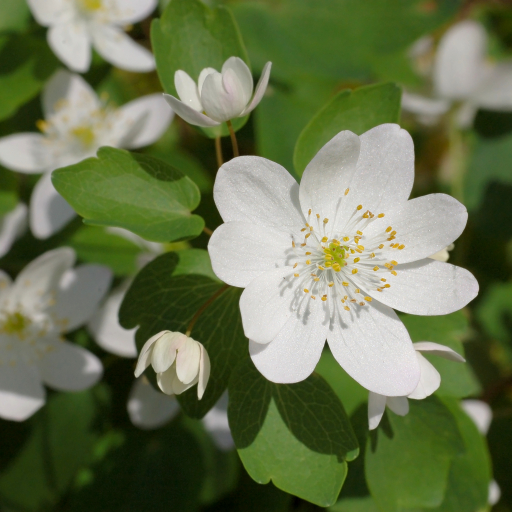
Often called the Rue Anemone, this woodland sprite is one of the most beloved "spring ephemerals" of North American forests. Appearing like a dusting of late-season snow, its dainty white blossoms emerge before the canopy trees have even sprouted their leaves. It carries an air of fragile elegance, but it is surprisingly resilient, surviving the unpredictable frosts of early spring.
🔍 How to Identify
- 🌸 The "Petals": What look like petals are actually 5 to 10 delicate sepals. They are usually pure white, though you may occasionally find rare, blushing pink varieties in the wild.
- 🌿 The Foliage: Its leaves are divided into three-lobed leaflets that closely resemble Meadow Rue. They sit in a distinctive whorl just below the flower clusters.
- 🌱 The Stems: The plant is remarkably wiry and thin, often appearing to float just above the leaf litter on reddish-green, hairless stems.
🏡 In Your Garden
- 🍂 Leaf Mold Lover: To thrive, this plant needs to mimic its home in the deciduous forest. It craves "cool feet"—soil rich in organic matter like decomposed leaves that stays moist but never soggy.
- 💤 The Vanishing Act: Don't panic when it disappears! As a spring ephemeral, the Rue Anemone goes completely dormant by mid-summer. Mark its location carefully so you don't accidentally dig it up while planting summer annuals.
⚠️ Safety & Toxicity
- 🐾 Low to Moderate Risk: Like many members of the Buttercup family (Ranunculaceae), the Rue Anemone contains protoanemonin.
- 👄 Details: If leaves or stems are crushed and eaten, they can cause mouth irritation or digestive upset in pets and humans. The sap may also cause mild skin redness or itching in sensitive individuals.
✨ Fun Fact
Unlike many of its neighbors, the Rue Anemone offers no nectar to visiting insects. Instead, it plays a "pollen trick," attracting small bees and flies with its bright yellow centers, offering them a high-protein pollen meal in exchange for pollination services.

Detailed Care Instructions
To grow Thalictrum Thalictroides, also known as Rue Anemone, follow these steps:
- Choose a suitable location: Rue Anemone prefers partial shade to full shade, making it an ideal plant for woodland gardens or areas with filtered sunlight. Ensure the soil is moist, well-drained, and rich in organic matter.
- Prepare the soil: Thalictrum Thalictroides prefers slightly acidic to neutral soil with a pH range of 5.5 to 7.0. Amend the soil with compost or well-rotted leaf mold to improve the texture and fertility.
- Sow seeds: Thalictrum Thalictroides can be grown from seed. Either sow the seeds directly in the garden in early spring or start them indoors 6-8 weeks before the last frost date. Plant the seeds in a seed tray or small pots, lightly covering them with a thin layer of soil. Keep the soil consistently moist until germination, which typically takes about 2-4 weeks.
- Transplant seedlings: Once the seedlings have grown a few inches tall and have developed a few true leaves, they can be transplanted to their permanent location in the garden. Transplant them carefully, ensuring you do not disturb the roots. Space them about 6-8 inches apart to allow for adequate airflow and growth.
- Watering: Thalictrum Thalictroides prefers consistently moist soil. Water the plants regularly, especially during dry periods, to keep the soil moist but not waterlogged. Mulching around the plants can help retain moisture and suppress weed growth.
- Fertilizing: Thalictrum Thalictroides doesn't typically require heavy fertilization. However, you can apply a balanced slow-release fertilizer in early spring to promote healthy growth. Follow the manufacturer's instructions for application rates.
- Maintenance: Remove any weeds that may compete with the Rue Anemone for nutrients and water. Also, remove spent flowers to encourage continuous blooming and prevent self-seeding if desired. In late fall, cut the plants back to ground level to prepare for winter dormancy.
- Division: Thalictrum Thalictroides can be divided every few years to maintain vigor and control its spread. Carefully dig up the clumps in early spring or fall, dividing them into smaller sections with healthy roots and shoots. Replant the divisions in suitable locations, ensuring they have adequate spacing.
Remember, Rue Anemone is a native woodland plant, so it requires a similar growing environment to thrive. By providing the right conditions and proper care, you can enjoy the delicate and attractive blooms of Thalictrum Thalictroides in your garden.

Place in a window with dappled sun or a spot in the middle of a room. Or directly in a window facing west or east.

Thalictrum thalictroides is a perennial plant species that requires regular watering to maintain its health and vigor. When it comes to watering this plant, there are a few key things to keep in mind.
First and foremost, it is important to avoid overwatering this plant, as it can lead to root rot and other moisture-related problems. To prevent overwatering, be sure to allow the top inch of soil to dry out between waterings.
When it is time to water your Thalictrum thalictroides plant, be sure to give it a thorough soaking, making sure that the water penetrates down to the root zone. This can be accomplished by either watering from above or by placing the pot in a tray of water and allowing it to absorb moisture from the bottom.
In addition to regular watering, it is also important to ensure that this plant is planted in well-draining soil, as this will help to prevent water from pooling around the roots. Finally, be sure to monitor your plant closely, checking for signs of dehydration or overwatering, and adjusting your watering schedule as needed to maintain optimal soil moisture levels.
To fertilize this plant, you should use a balanced fertilizer with equal amounts of nitrogen, phosphorus, and potassium. Apply the fertilizer once a month during the growing season, which typically runs from spring through summer. Make sure to water the plant thoroughly before and after fertilizing to prevent any damage. Avoid over-fertilizing, as this can harm the plant and lead to excessive growth or nutrient imbalances.
Thalictrum Thalictroides is a flowering plant that responds well to a well-draining, fertile soil. It prefers slightly acidic to neutral soil pH levels, between 6.0 and 7.0. The soil needs to be rich in organic matter, such as compost or well-rotted manure. It's best to avoid heavy, clay soils that retain water, as they can cause root rot and other problems. A soil that has good drainage will help ensure that the plant gets the proper amount of moisture without becoming waterlogged. The plant also prefers a slightly shaded spot with good air circulation. Adding a layer of mulch around the base can help the soil stay moist and prevent weeds. Overall, the key is to provide a healthy and balanced environment that allows the plant to thrive.
To propagate this plant, gather fresh seeds from the matured flowers during late summer or early autumn. Sow the seeds in well-draining soil that has been moistened. Cover the seeds with a thin layer of soil and keep them in a cool area with indirect sunlight.
Maintain the soil moisture level by regularly misting the soil or placing a clear plastic cover over the container. The seeds should sprout within a few weeks, and once they grow tall enough, they can be transplanted to their permanent location.
Alternatively, the plant can be propagated through division. This should be done in late winter or early spring when the plant is dormant. Gently loosen the soil around the plant and carefully remove it from the ground. Use a sharp and clean knife to divide the plant into several sections, ensuring that each section has at least one healthy root and a few stems. Replant each section in well-draining soil and keep it moist until it establishes itself.








