Plant Overview
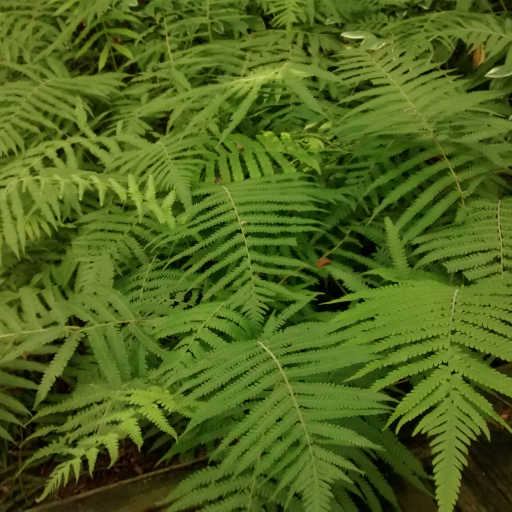
Known affectionately as the Southern Shield Fern or Kunth’s Maiden Fern, this graceful green giant is a hallmark of the American South. Often found softening the edges of limestone bluffs or dancing in the humid breezes of a New Orleans courtyard, it is beloved for its "friendly" nature. Unlike many finicky ferns, Thelypteris kunthii is remarkably resilient, making it a favorite for gardeners who want that lush, prehistoric look without the heartbreak of a high-maintenance plant.
🔍 How to Identify
- 🌿 The Fronds: These are lance-shaped and can grow quite large—up to 3 feet long. They have a distinctively soft, lime-green color that looks almost translucent when the sun hits them from behind.
- 🧤 Velvety Texture: If you run your fingers along the stems (rachis) and the undersides of the leaves, you’ll feel fine, soft hairs. This "pubescence" is a key way to tell it apart from other similar-looking ferns.
- 🧬 Spore Pattern: On the underside of mature leaflets, you’ll find small, circular dots called sori. These are arranged in tidy rows near the leaf margins, protected by a tiny, kidney-shaped cover.
🏡 In Your Garden
- 💧 Moisture Lover: This fern thrives in "bright dampness." While it loves water, it is surprisingly adaptable to periods of light drought once its root system is established, thanks to its creeping rhizomes.
- 🌱 Spreading Habit: It doesn't stay in a tight clump. It slowly marches across the garden floor via underground stems, making it an excellent, non-invasive groundcover for those shady spots where grass refuses to grow.
- 🧱 Limestone Preference: It has a unique "sweet tooth" for alkaline conditions. It is frequently seen growing out of the mortar of old brick walls or near concrete foundations where lime leaches into the soil.
⚠️ Safety & Toxicity
- ✅ Safe Status: Thelypteris kunthii is generally considered non-toxic and safe for home landscapes.
- 🐾 Pets & Kids: It is not listed as poisonous to cats, dogs, or horses by major veterinary organizations. However, as with any ornamental plant, it’s best to discourage pets from chewing on the fronds to prevent any potential stomach upset.
✨ Fun Fact
This fern is a true "Southern Belle" of the plant world—it is one of the few ferns that can tolerate the intense humidity and high nighttime temperatures of the Gulf Coast, where other fern species might wilt or succumb to fungal issues.

Detailed Care Instructions
To successfully grow Thelypteris kunthii (Southern shield fern), follow these steps:
- Choose an appropriate location: Thelypteris kunthii grows best in partial shade or filtered sunlight. Ensure that the location provides a well-draining soil and a consistent moisture level.
- Planting: Dig a hole slightly larger than the root ball of the plant. Place the fern in the hole and backfill it with soil, ensuring that the crown is at soil level. Gently pat down the soil around the plant and water thoroughly.
- Watering: Thelypteris kunthii requires constant moisture. Water the plant regularly, keeping the soil consistently damp but not soggy. During dry periods, water the fern deeply 1-2 times per week, allowing the top inch of soil to dry out before the next watering.
- Mulching: Apply a layer of organic mulch around the base of the plant to retain moisture, regulate temperature, and prevent weed growth. Avoid placing mulch directly against the fern's crown.
- Fertilizer: Apply a balanced, slow-release fertilizer in early spring to promote healthy growth. Avoid excessive use of nitrogen, as it may result in rapid, weak growth.
- Pruning: Remove any dead or damaged fronds as necessary to maintain the plant's appearance and prevent diseases. Avoid over-pruning, as it may weaken the plant.
- Pest and disease control: Monitor the fern for pests such as aphids or slugs. Treat infestations promptly using appropriate insecticides or natural remedies. Ensure good air circulation around the plant to prevent fungal diseases.
- Winter care: Thelypteris kunthii is deciduous in colder climates, so it will die back in winter. Mulch the plant heavily before the first frost to protect it from freezing temperatures. In spring, remove the mulch and watch for new growth.
By following these guidelines, you can successfully grow Thelypteris kunthii and enjoy its beautiful and delicate foliage.

Place in a window with dappled sun or a spot in the middle of a room. Or directly in a window facing west or east.

To properly water the Thelypteris Kunthii plant, it is important to consider the natural environment it grew in. This plant typically thrives in areas that receive consistent rainfall and provide a moist, well-draining environment for the roots.
When watering the plant, it is important to ensure that the soil is evenly moist but not waterlogged. Overwatering can lead to root rot and other issues. The frequency of watering will depend on various factors such as the humidity, temperature, and soil type. As a general rule, it is best to water the plant thoroughly when the top inch of soil feels dry to the touch.
To water the plant, gently pour water around the base of the plant, being careful not to wet the foliage excessively. It is also recommended to use room temperature water to avoid shocking the plant.
In addition to watering, it is important to provide proper drainage for the plant. This can be achieved by ensuring there are drainage holes in the pot or by planting in well-draining soil. Maintaining proper watering and drainage conditions will help ensure the health and longevity of the Thelypteris Kunthii plant.
To fertilize the Thelypteris Kunthii plant, it is important to follow these instructions:
- Choose a balanced, slow-release fertilizer specifically formulated for ferns or houseplants. This will provide the necessary nutrients without overwhelming the plant.
- Dilute the fertilizer as per the manufacturer's instructions. Generally, a ratio of ¼ strength is recommended for most ferns.
- During the growing season, which typically occurs in spring and summer, apply the diluted fertilizer once every two to four weeks. Reduce the frequency to once every four to six weeks in the dormant season.
- Before applying the fertilizer, ensure the soil is slightly moist but not excessively wet. Overwatering can lead to root rot or other diseases.
- Gently pour the diluted fertilizer onto the soil around the base of the plant, avoiding direct contact with the fronds. Alternatively, you can mist the diluted fertilizer onto the fronds if the plant is small or potted.
- After fertilizing, water the plant thoroughly to allow the nutrients to soak into the soil and reach the roots.
- Monitor the plant for any signs of over or under fertilization, such as yellowing or browning fronds, stunted growth, or wilting. Adjust the fertilizer application accordingly.
Remember, it is essential not to exceed the recommended dilution ratios or fertilize too frequently, as this can harm the Thelypteris Kunthii plant. Following these instructions should promote healthy growth and vibrant foliage.
Thelypteris Kunthii plant prefers well-draining, loamy soil that is rich in organic matter. It can grow in a wide range of soil pH levels but prefers slightly acidic to neutral soil. The soil should be kept moist but not waterlogged, and the plant should not be allowed to sit in standing water. It is highly recommended to add a layer of mulch around the base of the plant to help maintain soil moisture levels.
Thelypteris Kunthii, a species of fern, can be propagated through a process called spore propagation. Here's how you can propagate Thelypteris Kunthii:
- Preparing for propagation: Start by sterilizing all the tools and equipment that you will be using to ensure a clean environment. This helps prevent the introduction of diseases or pests to the new plants.
- Identifying spores: Look for mature fronds on the Thelypteris Kunthii plant. These fronds should have clusters of small brown dots on their undersides, which are the spores.
- Collecting spores: Carefully remove a mature frond from the plant. Hold it over a clean piece of paper or a container and gently shake it to release the spores. Ensure that the spores fall onto the paper or in the container for collection.
- Preparing the medium: Prepare a propagation medium suitable for fern spores. Typically, a mix of peat moss, perlite, and sterile potting soil or sphagnum moss is ideal. Moisten the medium lightly with distilled or rainwater, making sure it is damp but not soggy.
- Sowing the spores: Sprinkle the collected spores evenly over the surface of the prepared medium. Avoid clumping them together, as this can hinder their growth. Lightly press the spores onto the surface without covering them with soil.
- Creating humidity: After sowing the spores, cover the propagation tray or container with a clear plastic dome or plastic wrap to create a humid environment. This helps retain moisture and encourages germination.
- Providing ideal conditions: Place the tray or container in a warm and bright location, but away from direct sunlight. Maintain the temperature between 70-75°F (21-24°C) for optimal growth. Check the moisture level regularly and mist the surface lightly with distilled or rainwater to keep it consistently damp.
- Germination and growth: Over the next few weeks, the spores will begin to germinate and develop into small green heart-shaped structures known as prothalli. As they mature, small ferns known as gametophytes will develop on the prothalli.
- Transplanting: Once the gametophytes have grown big enough and developed root systems, they can be carefully separated from the propagation medium and transplanted into individual pots. Use a well-draining potting mix and keep the new plants in a shady, humid location until they establish themselves.
- Care and maintenance: Provide the newly propagated Thelypteris Kunthii plants with proper care, including regular watering, indirect sunlight, and high humidity levels. As they grow, you can gradually expose them to brighter light conditions.
Remember, propagation through spores can be a slow process, and it requires patience and attention to detail. With proper care, you can successfully propagate Thelypteris Kunthii and enjoy a thriving collection of these beautiful ferns.
Common pests of the kunth's maiden fern include Mealybugs, spider mites, aphids. Make a habit of checking your kunth's maiden fern frequently for pests so that any infestations can be caught and managed early.








