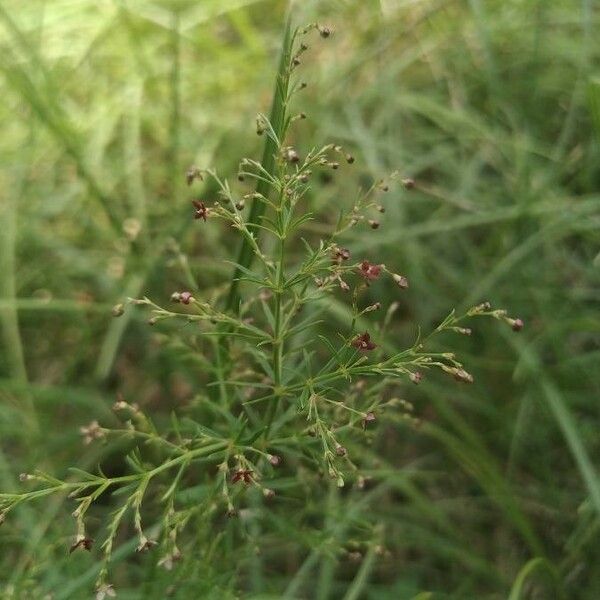
Plant Overview
Often called the Caucasian Crosswort, this vibrant perennial is the ultimate carpet-weaver for the patient gardener. Native to the rocky slopes of Iran and the Caucasus, it is cherished for its ability to transform a dull patch of earth into a sea of "pincushion" flowers. While it looks delicate, it’s a tough survivor that has been a staple in European rock gardens for centuries.
🔍 How to Identify
- 🌸 The "Pincushion" Blooms: The flowers are tiny, star-shaped, and deep pink to purple. They grow in dense, rounded clusters, with long, thread-like styles poking out that give the entire flower head a fuzzy or "bristly" appearance.
- 🌿 Whorled Foliage: The light green leaves are narrow and pointed, arranged in elegant circles (whorls) around the square stems, much like its cousins in the Bedstraw family.
- 📏 Mat-Forming Habit: It stays low to the ground, usually topping out at 8 inches, but it spreads horizontally to create a thick, lush carpet that chokes out most weeds.
🏡 In Your Garden
- ☀️ Sun and Drainage: This plant is a sun-worshipper. It thrives in "lean" soil—meaning it doesn't need heavy fertilizers—but it absolutely demands sharp drainage. If its roots sit in soggy soil during winter, it may not return in the spring.
- 👃 The "Fox" Scent: A quirky trait of Thliphthisa purpurea is its aroma. After a heavy summer rain, the foliage releases a distinct, musky scent that some gardeners compare to a fox or a skunk. It’s best planted away from windows if you have a sensitive nose!
- ✂️ Post-Bloom Refresh: Once the first flush of purple fades, give the plant a quick "haircut" with garden shears. This encourages a second, smaller bloom and keeps the mat from looking leggy or sparse in the center.
⚠️ Safety & Toxicity
- 🟢 General Safety: This plant is considered non-toxic to humans and common household pets. It is not known to contain the harmful alkaloids found in some other garden perennials.
- 🌱 Skin Sensitivity: While not poisonous, the fine hairs on the stems and the musky oils can occasionally cause mild skin irritation for those with very sensitive skin. Wearing gloves during a heavy pruning session is a good precaution.
✨ Fun Fact
In the Victorian "Language of Flowers," many members of this plant family represented "Meekness" or "Unity" because of the way the individual tiny stars huddle together to create one beautiful, strong sphere.

Detailed Care Instructions






