Plant Overview
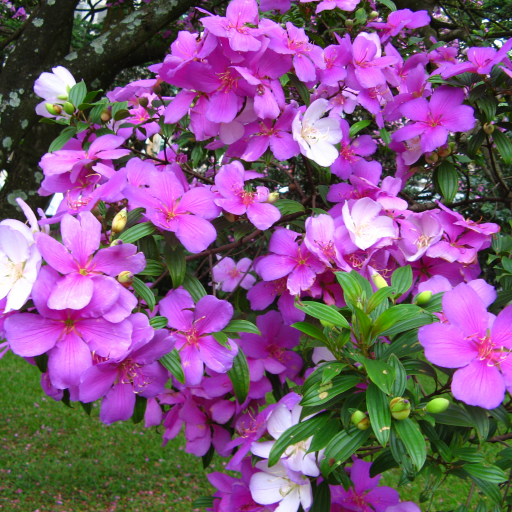
Often called the Manacá-da-serra in its native Brazil, this stunning evergreen is a botanical magician. It is world-renowned for its "chameleon" flowers that change color as they age, often displaying three different hues on a single branch simultaneously. This creates a breathtaking "sunset" effect of white, pink, and deep purple that can stop traffic in any neighborhood.
🔍 How to Identify
- 🌸 Tri-Color Blooms: The most striking feature is the flowers. They open as pure white, turn rosy pink on the second day, and mature into a deep lavender-purple before falling. Each flower features five rounded petals and prominent, curved stamens.
- 🍃 Velvety Foliage: The leaves are dark green, lance-shaped, and covered in fine hairs, giving them a soft, velvety texture. They are marked by 3 to 5 distinct longitudinal veins that run from the base to the tip.
- 🌳 Growth Habit: In the wild, it can reach the size of a medium tree, but in garden settings, it usually grows as a dense, rounded shrub or a small decorative tree reaching 6–12 feet.
🏡 In Your Garden
- 🧪 Acidic Preferences: This plant is an "acid-lover." It thrives in soil with a lower pH (similar to Azaleas). If the soil is too alkaline, the plant will struggle to take up nutrients, leading to yellowing leaves.
- 💧 Humidity & Hydration: Reflecting its rainforest origins, it craves high humidity and consistent moisture. However, it is sensitive to "wet feet," so ensure your soil is rich in organic matter but drains quickly to prevent root rot.
- 🌤️ Warmth is Key: It is a tropical beauty that is quite sensitive to frost. In cooler climates, it is best grown in a large container that can be moved indoors or into a greenhouse during the winter months.
⚠️ Safety & Toxicity
- ✅ Generally Safe: Tibouchina mutabilis is not considered toxic to humans. It does not possess thorns or irritating saps, making it safe for high-traffic garden paths.
- 🐾 Pet Friendly: This species is generally recognized as non-toxic to dogs and cats. While it isn't "edible," a curious nibble from a pet is unlikely to cause anything more than minor digestive upset.
✨ Fun Fact
The dramatic color change of the flowers isn't just for decoration; it’s a communication tool for bees! The white flowers are full of nectar and pollen, signaling "open for business." Once pollinated, the flower shifts to purple, telling the bees to save their energy and visit the younger white blooms instead.

Detailed Care Instructions
| Humidity | Normal |
| Lighting | Part Sun |
| Difficulty | Medium |
| Temperature | 20°C - 25°C |
| Hardiness Zones | 10 - 11 |
To grow a Tibouchina Mutabilis plant, follow these steps:
- Choose the right location: Tibouchina Mutabilis plants thrive in full sun to partial shade. Select a location in your garden that receives at least 6 hours of direct sunlight a day.
- Prepare the soil: The soil should be well-draining and rich in organic matter. If your soil is heavy or clay-like, amend it with compost or peat moss to improve drainage. Avoid waterlogged soil, as it can lead to root rot.
- Planting: Dig a hole that is slightly larger than the root ball of the plant. Place the plant in the hole, making sure the top of the root ball is level with the surface of the soil. Backfill the hole with soil, firming it gently around the roots.
- Watering: Keep the soil consistently moist but not soggy, especially during the first few weeks after planting. Mature Tibouchina plants are drought-tolerant, but they will perform better with regular watering during dry spells.
- Mulching: Apply a layer of organic mulch around the base of the plant to help retain moisture, suppress weed growth, and moderate soil temperature.
- Fertilizing: Feed your Tibouchina Mutabilis plant with a slow-release or controlled-release fertilizer in the spring. Follow the package instructions for application rates.
- Pruning: Tibouchina Mutabilis plants benefit from regular pruning to maintain their desired shape and size. Prune in late winter or early spring before new growth starts. Trim back any dead, damaged, or overcrowded branches, and shape the plant as desired.
- Protection from frost: Tibouchina Mutabilis plants are sensitive to cold temperatures. If you live in a region with frost, protect your plant by covering it with a frost cloth or moving it indoors during the winter.
By following these steps, you can successfully grow Tibouchina Mutabilis plants and enjoy their beautiful blooms.

Place in a window with dappled sun or a spot in the middle of a room. Or directly in a window facing west or east.
There are a few important steps to keep in mind when watering this plant. First, it's important to make sure that the soil stays evenly moist, but not waterlogged. To achieve this, you can water the plant deeply and thoroughly, allowing the water to penetrate the soil and reach the roots. However, you should avoid letting the plant sit in standing water, as this can lead to root rot.
Another important factor to consider is the temperature and humidity of the environment. Tibouchina Mutabilis plants prefer warm and humid conditions, so you may need to adjust your watering schedule accordingly. For example, during hot and dry periods, you may need to water the plant more frequently to prevent it from drying out.
Additionally, it's a good idea to monitor the soil moisture level regularly to ensure that you're not over or under watering the plant. You can do this by sticking your finger about an inch into the soil to see if it feels dry or moist. If it's dry, it's time to water the plant again, but if it's still moist, you can wait a bit longer before watering.
Overall, the key to watering this plant is to strike a balance between keeping the soil moist and avoiding waterlogged conditions. With a little bit of attention and care, your Tibouchina Mutabilis plant should thrive and produce beautiful blooms for years to come.
To fertilize this plant, use a slow-release fertilizer with a balanced NPK ratio, applied in the early spring and again in mid-summer. Use a fertilizer that is specific for flowering plants. Follow the manufacturer's recommended application rates and avoid over-fertilizing, which can cause root burn. Water the plant thoroughly before and after applying fertilizer. Avoid fertilizing during periods of drought or extreme heat.
Tibouchina mutabilis requires well-draining soil with good organic content. The soil should be slightly acidic with a pH level between 5.5 to 6.5. A mix of peat moss, perlite, and coarse sand can provide the ideal soil structure for the plant. Additionally, adding organic matter like compost or leaf mold can help retain moisture and improve nutrient availability. It is important to avoid heavy or compacted soil that can hold stagnant water, leading to root rot and other diseases.
To propagate the plant, you will need to take a stem cutting from a healthy, established plant. The best time to do this is in the spring or early summer when the plant is actively growing. Use a clean, sharp knife to make a clean cut on a stem that is about 4 to 6 inches long. Remove any leaves from the bottom third of the stem.
Next, dip the cut end of the stem in rooting hormone to encourage root growth. Plant the stem in a pot filled with a well-draining potting mix and water thoroughly. Place the pot in a bright, but indirect light and keep the soil moist but not waterlogged.
After a few weeks, you should start to see roots growing from the stem. Once the roots have grown enough to support the plant, you can transplant it into a larger pot or directly into the ground. Keep the plant well-watered and fertilize it regularly to encourage healthy growth. With proper care, your new Tibouchina Mutabilis plant should thrive and produce beautiful flowers.








