Plant Overview
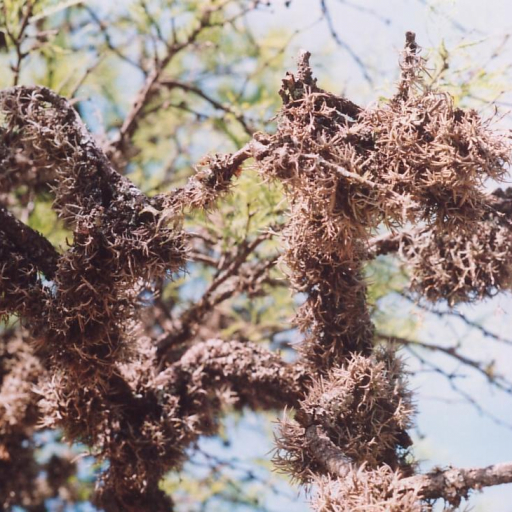
Often tucked away in the high altitudes of South America, Tillandsia capillaris is the minimalist’s dream. Known as the "Tiny Thread Air Plant," it forms dense, wiry cushions that look more like silver moss than a traditional houseplant. It is a true survivor, evolved to cling to cliffs and trees where soil is a luxury it simply doesn't need.
🔍 How to Identify
- 🌿 Fine Foliage: The leaves are extremely narrow and needle-like, covered in a dense layer of silver scales called trichomes that help the plant "drink" moisture directly from the air.
- 📐 Growth Habit: It grows in a distinct branching, zig-zag pattern, eventually forming tight, spherical balls or mats as it matures and produces offsets.
- 🌼 Miniature Blooms: While tiny, the flowers are a delightful surprise, typically appearing in shades of pale yellow or burnt orange, sometimes carrying a subtle, sweet fragrance.
🏡 In Your Garden
- 💨 Airflow is Vital: Because of its dense, clumping habit, this plant is prone to "inner rot" if water stays trapped in its center. It thrives best in breezy spots or near a fan where it can dry out completely within a few hours of misting.
- ☀️ Light Adaptation: Its heavy silver coating acts as a natural sunblock. This means it craves bright, filtered light and can handle more intensity than its greener cousins, mimicking the thin, bright air of its native Andean home.
⚠️ Safety & Toxicity
- 🐾 Pet Friendly: This species is considered non-toxic to cats, dogs, and other common household pets, making it a "worry-free" addition to your collection.
- 🧤 Physical Fragility: While it isn't poisonous, the stems are quite brittle. It is best mounted on cork or bark rather than being frequently handled, as the delicate "threads" can snap easily.
✨ Fun Fact
Tillandsia capillaris is what botanists call a "variable species." This means it changes its look dramatically depending on where it grows; some versions look like long, hanging vines, while others look like tiny, scaly caterpillars huddled together!

Detailed Care Instructions
To grow a Tillandsia Capillaris plant successfully, follow these steps:
- Select a suitable location: Tillandsia Capillaris thrives in bright, indirect light. Choose a location near a window or provide artificial light if necessary. Avoid placing the plant in direct sunlight as it can scorch the leaves.
- Provide proper air circulation: Tillandsias are epiphytic plants that benefit from good air circulation. Ensure there is adequate airflow around the plant by placing it in a well-ventilated area or using a fan.
- Watering: Tillandsia Capillaris absorb moisture through their leaves. To water, mist the plant 2-3 times a week or soak it in room temperature water for 20-30 minutes. Shake off excess water to avoid rotting. Increase the frequency of watering if the plant is in a dry environment.
- Humidity: Tillandsias prefer higher humidity levels. You can increase humidity by misting the plant, placing a humidity tray nearby, or grouping it with other plants to create a microclimate.
- Fertilizing: Feed your Tillandsia Capillaris monthly with a weak, balanced orchid or bromeliad fertilizer. Dilute the fertilizer to half or quarter strength and apply it to the leaves using misting or soaking methods. Avoid over-fertilizing, as it can damage the plant.
- Temperature: Tillandsia Capillaris can tolerate a wide range of temperatures, but they prefer temperatures between 60-80°F (15-27°C). Protect the plant from extreme temperatures, such as cold drafts or direct heat sources.
- Grooming: Remove any dead or yellowing leaves by gently pulling them from the base. This helps maintain the plant's appearance and health.
- Propagation: Tillandsia Capillaris can produce offsets or pups around the base of the main plant. Once these pups are around one-third the size of the parent plant, they can be gently separated and placed in a new location to grow.
Remember that Tillandsia Capillaris is an air plant, so it does not require soil for growth. Follow these care instructions, and you can enjoy a healthy and beautiful Tillandsia Capillaris plant.

Place in a window with dappled sun or a spot in the middle of a room. Or directly in a window facing west or east.

To water this plant, you should mist it regularly or soak it in room temperature water for about an hour every two weeks. It is important to ensure that the plant is completely dry before putting it back in its container or hanging it up, as excess moisture can lead to rotting. Additionally, it is best to use filtered or rainwater when watering, as tap water may contain chemicals that can harm the plant's growth. Avoid placing the plant in direct sunlight, and instead place it in an area with bright, indirect light.
- Mix a fertilizer solution in a spray bottle using a liquid plant fertilizer and water at a ratio of 1:3.
- Mist the leaves of the plant with the fertilizer solution once a month.
- Avoid getting the fertilizer solution on the base of the plant to prevent rotting.
- Place the plant in a bright, indirect light location to help it absorb the fertilizer.
- Continue to mist the plant with plain water once a week to keep it hydrated.
Tillandsia Capillaris plant is an epiphytic plant that does not require soil to grow. However, if you choose to use soil, it is recommended to use a well-draining soil mix that is lightweight and airy, such as a mixture of peat moss, perlite, and sand. It is important to avoid using heavy soils or soils that retain moisture, as these can cause root rot in the plant. The soil should also be slightly acidic, with a pH of around 5.5 to 6.0. When planting in soil, it is important to ensure that the roots of the plant are not buried too deep and that they have access to air. Alternatively, you can mount the plant onto a piece of wood or other surface, using wire or string to secure it in place. This allows for better air circulation around the plant and mimics its natural growing conditions.
To propagate this plant, you need to look for healthy and mature specimens to take cuttings from. The cuttings should be taken by carefully removing a healthy shoot from the parent plant, making sure to include the stem and any leaves or offsets growing from it.
Once you have the cutting, allow it to dry for a few hours to prevent rotting when planted. The cutting can then be planted by placing it in a well-draining substrate and kept in a bright, warm location that is protected from direct sunlight.
To encourage rooting, you can mist the cutting every few days with a gentle spray of water. Once the cutting has rooted, it can be transplanted into a larger pot or spread to other containers or mounting surfaces. It is important to continue to keep the plant in a warm, bright location and to mist it regularly to encourage growth and keep it healthy.
Common pests of the tillandsia capillaris include Mealybugs. Make a habit of checking your tillandsia capillaris frequently for pests so that any infestations can be caught and managed early.








