Plant Overview
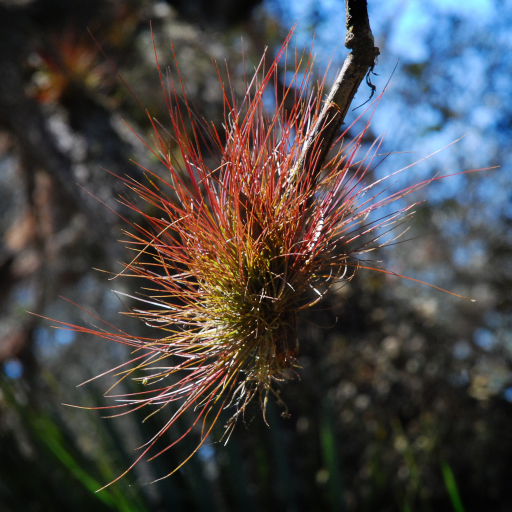
Known as the "Southern Needleleaf," Tillandsia setacea looks more like a burst of green sparks than a traditional houseplant. This hardy epiphyte is a master of the air, often seen clinging to the ancient branches of Live Oaks and Bald Cypresses in the humid American South. It brings a touch of wild, prehistoric beauty to any space without ever needing a single scoop of soil.
🔍 How to Identify
- 🌿 The Foliage: Features needle-thin, quill-like leaves that are stiff, arching, and very narrow.
- 🎨 Coloring: Generally deep green, but the base of the leaves often transitions into a dark, mahogany-brown or reddish hue.
- 🧶 Growth Habit: It naturally forms dense, "grassy" clumps or spherical colonies that look like tangled balls of pine needles.
🏡 In Your Garden
- 💨 Airflow is Life: As an atmospheric plant, it lacks traditional roots for drinking. It uses "trichomes"—tiny silver scales on its leaves—to pull moisture from the breeze. Stagnant air is its primary enemy; always ensure it lives in a spot with good circulation.
- 💧 The "Dunk" Method: Since it has no soil to hold moisture, it prefers a weekly bath. Submerge the entire plant in room-temperature water for 20–30 minutes, then shake it upside down thoroughly to ensure no water traps in the center, which can cause rot.
⚠️ Safety & Toxicity
- 🐾 Pet Friendly: This plant is non-toxic to cats, dogs, and horses, making it a perfect choice for households with curious nibblers.
- 🌵 Physical Touch: While not chemically toxic, the leaf tips are quite stiff and pointed. Place them away from eye level in high-traffic areas to avoid accidental pokes.
✨ Fun Fact
- ✨ Atmospheric Sponge: In its natural habitat, Tillandsia setacea doesn't just drink water; it survives by absorbing nutrients from dust, decaying leaf bits, and even bird droppings that wash over its leaves during rainstorms!

Detailed Care Instructions
To grow Tillandsia Setacea (commonly known as the twisted air plant), you can follow these guidelines:
- Light: Place the plant in a location with bright, indirect light. It thrives in medium to high light conditions but should be protected from direct sunlight.
- Temperature: Tillandsia Setacea prefers warm temperatures between 70-90°F (21-32°C). Avoid exposing it to extreme cold or hot conditions.
- Humidity: Air plants need a humid environment to survive. Mist the plant regularly with water, or soak it in water for 10-15 minutes once a week. In drier conditions, provide additional humidity by placing a tray of water near the plant or using a humidifier.
- Watering: Tillandsia Setacea can be watered by misting or soaking. If misting, thoroughly wet the plant once a week, ensuring water reaches the base and all leaves. If soaking, submerge the plant in water for 10-15 minutes, then let it air dry completely before returning to its display location.
- Air circulation: Good air circulation is essential for air plants. Ensure they have proper airflow by placing them in an area with natural ventilation or using a fan to simulate a gentle breeze.
- Fertilizer: Tillandsia Setacea doesn't require much fertilizer but can benefit from occasional feeding. Dilute a liquid air plant fertilizer to half strength and mist or soak the plant once every month during the growing season (spring to fall).
- Mounting: You can mount Tillandsia Setacea on driftwood, cork, or other decorative objects using wire, glue, or fishing line. Ensure the mounting medium is porous to allow air circulation and avoid rotting.
- Reproduction: Tillandsia Setacea produces offsets (or pups) around the base of the plant. Leave the pups in place until they are around one-third the size of the parent plant, then gently separate them with a sharp, clean knife. Allow the separated pups to dry for 24 hours before watering or replanting.
It's important to note that air plants are adaptable and can tolerate various conditions, but consistent care is key for their successful growth.

Place in a window with dappled sun or a spot in the middle of a room. Or directly in a window facing west or east.
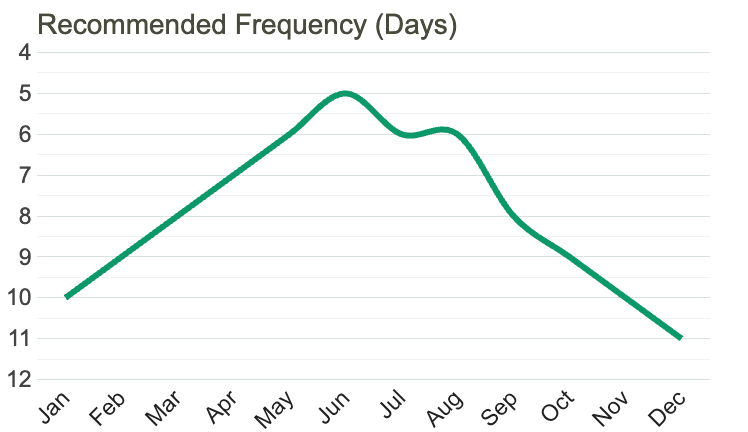
Tillandsia Setacea is a plant species that belongs to the Bromeliaceae family. It is an epiphytic plant that does not require soil to grow but depends on air and moisture for its survival. Here are some guidelines on how to water this plant:
1. Use filtered or rainwater to water Tillandsia Setacea. Tap water can contain harmful chemicals like chlorine and fluoride that can damage the plant.
2. Water the plant once a week by soaking it in water for 10-15 minutes. Fill a container with enough water to submerge the entire plant and leave it to absorb water.
3. After soaking, remove the plant from the water and shake off the excess water. Place it upside down on a towel to drain for an hour or two.
4. During hot and dry weather, you can mist the plant every 2-3 days using a water spray bottle. Make sure to mist the entire plant to provide adequate moisture.
5. Avoid wetting the leaves' base as this can cause the plant to rot. Also, ensure that there's no standing water in the plant's central cup as this can cause fungal growth.
6. Finally, monitor the plant's moisture requirements and adjust watering frequency as necessary. Overwatering or underwatering can cause the plant to suffer from root rot or dehydration.
- Begin by preparing a weak fertilizer solution, ideally with a 1/4 strength of a balanced liquid fertilizer.
- Fill a spray bottle with the fertilizer solution and use it to mist the plant's leaves and roots thoroughly.
- Make sure to saturate the plant with the fertilizer solution, but do not let any water pool at the base of the leaves or in the plant's center.
- Repeat this process once a month throughout the plant's active growing season (spring and summer) and reduce the frequency to once every two months during the plant's dormant season (fall and winter).
- If the plant appears to be suffering from under-fertilization, increase the frequency of fertilizing sessions to once every two weeks during its active season and monthly during its dormant season.
Tillandsia Setacea plants prefer to be planted in a well-draining soil mixture that is specifically tailored for air plants. A suitable soil mixture for Tillandsia Setacea may include materials such as orchid bark, coconut coir, and coarse sand. These materials help to mimic the plant's natural epiphytic growing conditions, where they typically latch onto trees or rocks in their native habitats. It is crucial to avoid using regular potting soil, as it can retain too much moisture and lead to root rot in Tillandsia Setacea plants. Additionally, incorporating some small stones or pebbles into the soil mixture can help stabilize the plant and provide additional aeration for the roots. Overall, a light and well-draining soil mixture is essential for the health and growth of Tillandsia Setacea plants.
Tillandsia Setacea can be propagated from offset pups that form at the base of the mother plant. To do so, first remove the pup from the base of the mother plant when it is about 1/3 the size of the mother plant. Use a clean or sterilized knife to ensure the newly separated pup won't be exposed to bacteria or pests. With the pup removed from the mother plant, place it in a shaded or low light area. You can mist the pup with water occasionally, but avoid over-watering, especially in the first few weeks. Wait for roots to develop, which can take a few weeks. Once roots are established, you can move the plant to a sunnier location and care for it as you would its mother plant.
Common pests of the southern needleleaf include Mealybugs. Make a habit of checking your southern needleleaf frequently for pests so that any infestations can be caught and managed early.








