Plant Overview
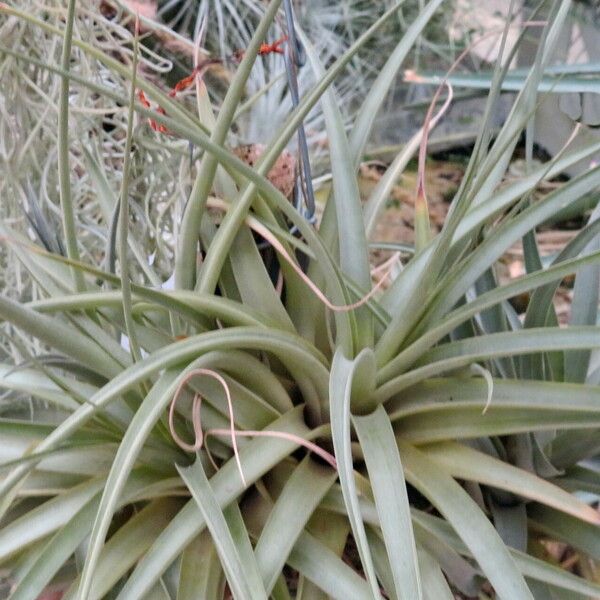
Known for its stunning architectural form, Tillandsia sphaerocephala is a high-altitude gem from the rugged Andean mountains of Bolivia and Argentina. Unlike its soft, mossy cousins, this "Air Plant" feels sturdy and metallic, having evolved to cling to sun-drenched rocky cliffs. It is often nicknamed the "Round-headed Tillandsia" due to its distinctively compact, spherical flower spike.
🔍 How to Identify
- 🌵 Leaf Texture: The leaves are thick, stiff, and succulent-like, tapering to a sharp point. They feel much more rigid than common air plants.
- 🥈 Silvery Coating: The entire plant is covered in a dense layer of silvery-grey trichomes (tiny scales), which help it reflect intense mountain sunlight and trap moisture.
- 🌸 The "Head": When it blooms, it produces a short, stout stalk topped with a dense, ball-shaped cluster of bright pink to red bracts, from which small purple flowers emerge.
🏡 In Your Garden
- 💨 Airflow is Vital: Because this species originates from windy mountain slopes, it is highly sensitive to stagnant air. It thrives best when mounted on cork or wood in a spot with excellent ventilation rather than sitting inside a glass globe.
- ☀️ Light Lover: Its silvery "shield" allows it to handle much brighter light than green-leaved Tillandsias. It craves bright, filtered sunlight to maintain its compact shape and trigger blooming.
- 💧 Drying Out: Unlike tropical species, this plant prefers to dry out very quickly after a misting or soak. If water sits in its base for too long, it is prone to crown rot.
⚠️ Safety & Toxicity
- ✅ Pet & Child Friendly: This plant is non-toxic and generally safe to have around curious cats, dogs, and children.
- 📍 Pointy Tips: While not poisonous, the leaf tips are quite stiff and sharp. It is best placed in a hanging display or on a high shelf to avoid accidental pokes to the eyes or skin.
✨ Fun Fact
The name sphaerocephala literally translates from Greek to "sphere-headed." It is one of the few air plants that can survive freezing temperatures for very short periods, thanks to its high-altitude evolution!

Detailed Care Instructions
Growing Tillandsia sphaerocephala, a type of air plant, can be quite rewarding due to its unique appearance and relatively low maintenance requirements. Here’s a detailed guide to help you:
Location and Light:
- Light Requirement: Tillandsia sphaerocephala thrives in bright, indirect light. Direct sunlight can be too harsh and may cause the plant to dry out or burn. If you are growing them indoors, place them near a bright window but out of direct sun.
- Artificial Light: If natural light is insufficient, you can also grow these air plants under fluorescent lights. Ensure they receive about 12 hours of light per day.
Temperature and Humidity:
- Temperature: They prefer temperatures between 10°C to 32°C (50°F to 90°F). Avoid exposure to freezing temperatures.
- Humidity: High humidity (50-70%) is ideal for Tillandsias. If your home or region is dry, consider misting the plants frequently or using a humidifier.
Watering:
- Watering Schedule: Water the plant about 2-3 times a week. The frequency can vary depending on the climate (more often in dry climates, less in humid conditions).
- Watering Method: Submerge the plant in room temperature water for about 20-30 minutes. Shake off the excess water gently and place it in a spot with good air circulation to dry.
- Alternative Method: You can also mist the plant thoroughly if dunking is not practical, ensuring that the entire plant is saturated.
Air Circulation:
- Ventilation: Air plants need good airflow to dry out properly after watering. Ensure they are not in an enclosed space without any air movement.
Feeding:
- Fertilization: Use a water-soluble fertilizer formulated for bromeliads or air plants. Dilute the fertilizer to about 1/4th of the recommended strength and use it once a month during watering.
Mounting and Display:
- Mounting: Tillandsias can be mounted on various materials like wood, shells, or rocks. Avoid using copper wire or treated wood as they can harm the plant.
- Display: You can also place them in terrariums, hanging planters, or decorative bowls. Ensure wherever they are placed, there is adequate air circulation.
Pests and Diseases:
- Pests: Air plants are generally pest-resistant. However, keep an eye out for common pests like mealybugs and scale. Treat infestations promptly using insecticidal soap.
- Diseases: Over-watering is the most common issue, which can lead to rot. Ensure the plant dries completely within a few hours after watering.
Propagation:
- Offsets (Pups): Tillandsias produce offsets or "pups" at the base of the plant. Once the pups are about 1/3 the size of the parent plant, they can be gently separated and grown as individual plants.
By following these guidelines, you can create an environment where Tillandsia sphaerocephala will thrive, adding an exotic touch to your plant collection.

Place in a window with dappled sun or a spot in the middle of a room. Or directly in a window facing west or east.
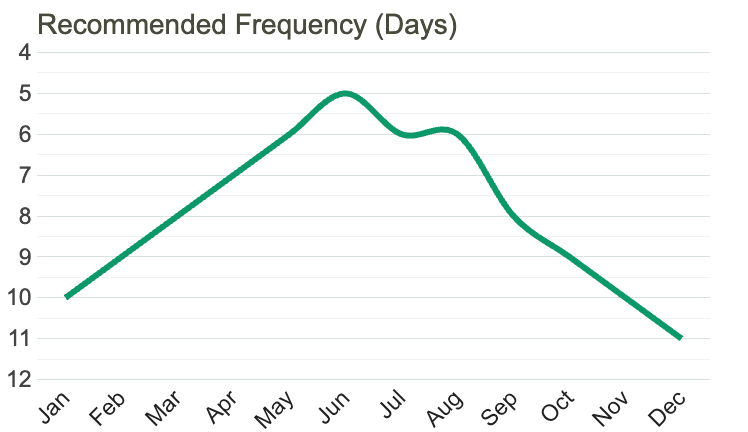
Watering *Tillandsia sphaerocephala* can be done through two primary methods: misting and soaking.
### Misting:
1. Frequency: Misting should be done 2-3 times a week, but this can vary based on the humidity levels in your environment. If the air is dry, you might need to mist more frequently.
2. Technique: Use a spray bottle to create a fine mist. Ensure that all parts of the plant, including the leaves and base, are moistened. Avoid water pooling in the center of the plant as it can lead to rot.
3. Humidity Considerations: If the environment is humid, you can reduce the frequency of misting.
### Soaking:
1. Frequency: Soak the plant once a week.
2. Technique: Submerge the plant in a bowl of room-temperature water for about 20-30 minutes. After soaking, gently shake off any excess water.
3. Drying: Place the plant in a location with good air circulation to allow it to dry completely within 4 hours. This is crucial to avoid rot. A fan can help speed up this process if you live in a particularly humid area.
4. Seasonal Adjustments: During colder months or periods of high humidity, reduce the soaking time and frequency.
### General Tips:
- Water Quality: Use rainwater, distilled water, or tap water that has been left out for 24 hours to allow chlorine to dissipate. Avoid hard water, as it can leave mineral deposits on the leaves.
- Observation: Pay attention to the plant’s leaves. If they start to curl or appear wrinkled, it might be an indication that the plant needs more water. Conversely, if the leaves are soft and mushy, overwatering might be an issue.
### Environmental Factors:
- Light: Ensure the plant receives bright, indirect light. Proper lighting helps in the water absorption process.
- Air Circulation: Good air movement is essential to help the plant dry quickly and avoid fungal issues.
By monitoring and adjusting based on the plant's needs and environmental conditions, you can create a suitable watering routine that will help *Tillandsia sphaerocephala* thrive.
Tillandsia sphaerocephala, like other air plants, can benefit from occasional fertilizing to promote healthy growth and vibrant blooms. Here are some fertilizing instructions for this plant:
- Type of Fertilizer: Use a water-soluble bromeliad or air plant fertilizer. These are typically low in copper and boron, which can be harmful to Tillandsia.
- Dilution: Dilute the fertilizer to about a quarter of the recommended strength. For example, if the instructions on the fertilizer package suggest 1 teaspoon per gallon of water, use only 1/4 teaspoon per gallon.
- Frequency: Fertilize once a month during the growing season, which is typically spring through early fall. During the winter, you can reduce the frequency to every other month, as the plants' growth slows down.
- Application Method: Combine the diluted fertilizer in a spray bottle or use it during the soaking process.
- Spraying: Lightly mist the plant with the diluted solution, ensuring coverage on all surfaces. Be careful not to drench the plant unnecessarily.
- Soaking: Soak the entire plant in the diluted fertilizer solution for about 20-30 minutes. After soaking, shake off excess water and allow the plant to dry in a location with good air circulation.
- Spraying: Lightly mist the plant with the diluted solution, ensuring coverage on all surfaces. Be careful not to drench the plant unnecessarily.
- Timing: Apply the fertilizer in the morning to ensure the plant has ample time to absorb the nutrients and dry out before cooler nighttime temperatures, which can reduce the risk of rot.
- Rinse Periodically: Every few weeks, you may want to rinse the Tillandsia sphaerocephala with plain water to wash away any accumulated fertilizer and salts that could potentially build up and harm the plant.
By following these instructions, you should help your Tillandsia maintain its health and produce beautiful blooms.
Tillandsia Sphaerocephala, being an epiphytic plant, does not require traditional soil for optimal growth. Instead, its care involves ensuring proper air circulation and humidity rather than soil-based nutrients. Here are the ideal conditions and materials to use:
Growth Medium
- Mounting Materials: This plant can be affixed to various inert surfaces, such as tree bark, cork, driftwood, or decorative stones. Mounting materials are selected for their capacity to anchor the plant and provide good air circulation.
- Loose Substrates: If you prefer a more contained setup for display purposes, you can use loose substrates like orchid bark or sphagnum moss. These materials should remain airy and not compact around the plant's base.
Environmental Conditions
- Humidity: High humidity levels between 50-70% are ideal. This can be achieved naturally in tropical or subtropical environments or through the use of humidifiers in drier settings.
- Watering: Mist the plant several times a week, ensuring that no water collects at its base, which may cause rot. The plant can also be soaked in water for about 20-30 minutes weekly to ensure proper hydration, followed by thorough drying.
- Air Circulation: Adequate airflow is crucial. Position the plant in a location where air can move freely around it to help prevent rot and fungus.
- Light: This plant thrives in bright, indirect light. Too much direct sunlight can cause leaf burn, whereas too little light can result in poor growth.
Nutrients and Fertilization
- Fertilization: Use a water-soluble, epiphyte-specific fertilizer diluted to one-quarter strength. Fertilize monthly during the growing season for best results.
By following these guidelines, you can create an environment that allows Tillandsia Sphaerocephala to thrive without the use of traditional soil.
Tillandsia Sphaerocephala, an air plant, is typically propagated through offsets (pups) that emerge naturally from the base of the parent plant. Here is a step-by-step guide on how to propagate this plant:
1. Identifying Offsets
- Growth Observation: Over time, the plant will produce small offsets around its base. These resemble miniature versions of the adult.
- Timing: Wait until the offsets are at least one-third the size of the parent plant before removing them. This ensures that they are strong enough to survive on their own.
2. Separation
- Tools: Use a pair of sharp, sterilized scissors or pruning shears.
- Method: Carefully grasp the offset and gently twist or cut it away from the parent plant. Make sure not to damage the roots of either plant.
3. Healing
- Drying: Place the separated offsets in a well-ventilated area for a day or two. This allows the cut or twisted end to dry and form a callus, reducing the risk of infection.
4. Mounting or Placement
- Mounting Options: Tillandsia Sphaerocephala can be attached to various surfaces like wood, stone, shells, or wire frames. Use non-toxic, waterproof glue or fishing line to secure the offsets.
- Placement: Ensure the chosen location provides ample air circulation but is also protected from direct, intense sunlight.
5. Care and Maintenance
- Watering: Mist the offset 2-3 times a week or soak it in water for about 30 minutes once a week. Ensure it is thoroughly dry afterward to prevent rot.
- Light: Provide bright, indirect light. Avoid prolonged exposure to direct sunlight, which can scorch the leaves.
- Air Circulation: Good air movement is crucial for preventing fungal and bacterial infections.
- Feeding: Apply a diluted bromeliad or air plant fertilizer once a month during the growing season to support healthy growth.
6. Monitoring Growth
- Health Check: Regularly inspect the new offsets for signs of stress or disease. Brown or soft leaves may indicate overwatering or poor air circulation.
- Adaptation Period: It may take a few weeks for the offset to fully adapt and start showing signs of new growth.
By following these steps, you can successfully propagate Tillandsia Sphaerocephala and enjoy its unique aesthetic qualities in your collection.
Common pests of the tillandsia sphaerocephala include Mealybugs. Make a habit of checking your tillandsia sphaerocephala frequently for pests so that any infestations can be caught and managed early.







