Plant Overview
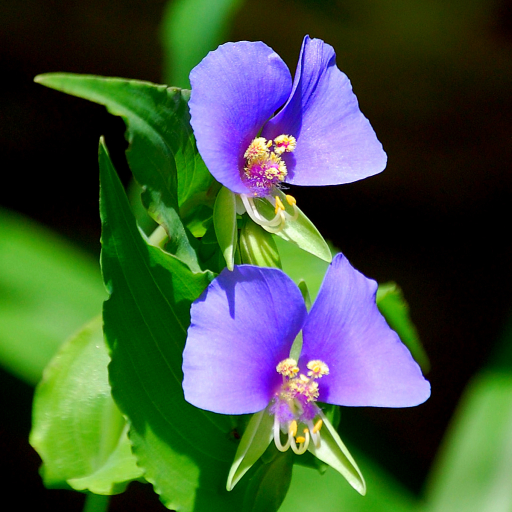
Known affectionately as the False Dayflower or Texas Widow’s Tears, this charming wildflower is a hidden gem of the Southern United States and Mexico. Its delicate, ephemeral flowers seem to "weep" from the foliage, giving it a melancholic yet beautiful reputation in local folklore. It thrives in the quiet, shaded corners of a garden where other sun-loving plants might struggle to survive.
🔍 How to Identify
- 🌸 The Bloom: Features three rounded petals, typically in shades of lavender, sky blue, or occasionally pure white, accented by prominent, fuzzy yellow stamens.
- 🍃 Spotted Foliage: The bright green, lance-shaped leaves are often "freckled" with distinct purple or maroon spots, making it easy to identify even when the plant isn't flowering.
- 💧 Succulent Stems: The stems are thick, fleshy, and slightly translucent. They are quite fragile and will snap easily, revealing a watery sap inside.
🏡 In Your Garden
- 🌳 The Shade Specialist: Unlike many of its cousins in the Commelinaceae family, Tinantia anomala thrives in dappled light. It is the perfect candidate for filling gaps under large canopy trees or along north-facing walls where grass won't grow.
- 🌱 The Annual Cycle: Because this is a true annual, it completes its life cycle in one year. However, it is a prolific self-seeder; if you leave the spent flowers alone, "volunteer" seedlings will almost certainly pop up in the same spot next spring.
- 🍂 Soil Preference: It prefers moist, organic-rich soil. In the wild, you’ll often find it tucked into limestone crevices or leafy forest floors where the soil stays cool.
⚠️ Safety & Toxicity
- 🐾 Status: Generally considered non-toxic to humans and common household pets, making it a "worry-free" addition to family gardens.
- 🖐️ Details: While not poisonous, the clear sap within the succulent stems can be a mild skin irritant for people with high sensitivity. If you have reactive skin, it is best to wear gloves when thinning out a large patch.
✨ Fun Fact
The common name "Widow's Tears" refers to the way the flower petals dissolve into a fluid, jelly-like substance after blooming for just a single day—as if the plant is literally crying away its own blossoms.

Detailed Care Instructions
Tinantia Anomala, also known as the False Dayflower, is a beautiful and easy-to-grow plant that thrives in warm climates. Here are some tips on how to grow and care for Tinantia Anomala:
- Light: Tinantia Anomala prefers bright, indirect light. It can also tolerate some shade, but it may not flower as much in low light conditions.
- Water: Keep the soil consistently moist but not waterlogged. Allow the top inch of soil to dry out slightly between waterings.
- Soil: Use a well-draining potting mix with a slightly acidic pH. You can also mix in some organic matter, such as compost or peat moss, to improve the soil structure.
- Temperature: Tinantia Anomala prefers temperatures between 60-80°F (15-27°C). Avoid exposing the plant to temperatures below 50°F (10°C) as it may cause damage to the plant.
- Fertilizer: Feed Tinantia Anomala with a balanced liquid fertilizer once a month during the growing season (spring and summer). Avoid fertilizing in the winter months when the plant is dormant.
- Pruning: Trim back any dead or yellowing leaves to encourage new growth. You can also pinch back the stems to promote bushier growth.
- Propagation: Tinantia Anomala can be propagated easily by division or by taking stem cuttings. Simply cut a healthy stem with at least two nodes and place it in water or a well-draining soil mix until roots develop.
- Pests and diseases: Keep an eye out for common houseplant pests such as spider mites, aphids, and mealybugs. Treat any infestations promptly with insecticidal soap or neem oil.
By following these tips, you should be able to successfully grow Tinantia Anomala and enjoy its lovely flowers and foliage in your home or garden.

Place in a window with dappled sun or a spot in the middle of a room. Or directly in a window facing west or east.

Tinantia Anomala plants should be watered regularly to keep the soil consistently moist, but not waterlogged. It is important to water the plant at the base of the stems, avoiding getting the leaves wet to prevent the risk of fungal diseases. The frequency of watering will depend on factors such as the temperature, humidity, and the size of the pot. It is recommended to check the soil moisture by inserting a finger into the soil to determine if watering is needed. Additionally, using a tray or saucer underneath the pot to catch excess water and allow the plant to absorb any remaining moisture can help maintain the plant's health.
To fertilize Tinantia Anomala, use a balanced, water-soluble fertilizer formulated for indoor plants or flowering perennials. Dilute the fertilizer to half strength and apply it every two to three weeks during the growing season, which is typically spring and summer. Be sure to water the plant thoroughly after fertilizing to help distribute the nutrients evenly in the soil. Avoid over-fertilizing, as this can lead to nutrient toxicity and damage the plant.
Tinantia Anomala plants prefer well-draining soil that is rich in organic matter. A good mix for this plant would be a combination of regular potting soil, perlite, and peat moss. The perlite helps to improve drainage, while the peat moss retains moisture and provides nutrients for the plant. Avoid heavy or compacted soils, as they can lead to root rot and other issues. It is important to regularly check the moisture levels in the soil to ensure it stays consistently moist but not waterlogged. Additionally, adding a layer of mulch on top of the soil can help retain moisture and suppress weed growth.
To propagate Tinantia Anomala, you can easily do so by taking stem cuttings from a healthy, established plant. Here is a step-by-step guide to propagating Tinantia Anomala:
- Choose a healthy and mature plant to take cuttings from. Look for a stem that is not too old or too young, as these may not root as successfully.
- Using a sharp and clean pair of scissors or pruning shears, cut a 4-6 inch segment of the stem from the plant. Make sure to cut just below a node, which is where new roots will form.
- Remove the lower leaves from the cutting, leaving only a couple of leaves at the top to continue photosynthesis.
- Dip the cut end of the stem in rooting hormone powder to encourage root growth.
- Plant the cutting in a small pot filled with well-draining potting mix. Bury the cut end about 1-2 inches deep in the soil.
- Water the cutting thoroughly, making sure the soil is evenly moist but not waterlogged.
- Place the pot in a warm, bright location with indirect sunlight. Avoid placing the cutting in direct sunlight, as this can cause it to dry out.
- Keep the soil moist by watering the cutting whenever the top inch of soil feels dry to the touch.
- After a few weeks, you should start to see new roots growing from the base of the cutting. Once the cutting has established a strong root system, you can transplant it into a larger pot or into the garden.
By following these steps, you can easily propagate Tinantia Anomala and create new plants to enjoy in your home or garden.








