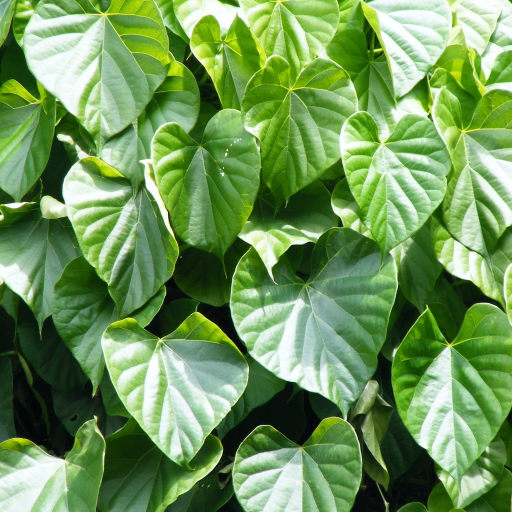
Plant Overview
Often called "Giloy" or "Amrita" (the nectar of immortality), this powerhouse vine has been a cornerstone of Ayurvedic medicine for centuries. It is a rugged, deciduous climber that thrives in tropical climates, often seen wrapping its succulent stems around massive Neem or Mango trees. Its heart-shaped foliage makes it as aesthetically pleasing as it is culturally significant.
🔍 How to Identify
- 🍃 Heart-Shaped Leaves: The foliage is distinctly heart-shaped (cordate) with a smooth, papery texture and prominent veins radiating from the base.
- 🌿 Succulent Stems: The stems are thick, fleshy, and covered in a thin, gray-brown bark that often peels away easily to reveal a bright green, "juicy" interior.
- 🍒 Glossy Berries: It produces small, pea-sized fruits that grow in clusters; these drupes turn a brilliant, glossy red when they reach full maturity.
🏡 In Your Garden
- 🧗 The Climber’s Needs: As a vigorous woody climber, it requires a sturdy trellis, fence, or a large "host tree" to thrive. In traditional gardening, it is often grown alongside Neem trees, as it is believed to "absorb" the beneficial properties of its host.
- 💧 Resilient Roots: This plant is incredibly hardy once established. It prefers well-draining soil and can survive long periods of drought thanks to its succulent stems, which store water for "emergencies."
⚠️ Safety & Toxicity
- 🐾 Pet Safety: While not considered highly poisonous, ingestion by curious cats or dogs can lead to digestive upset or lethargy. It is best kept as an ornamental climber out of reach of pets.
- 👩⚕️ Human Caution: Though famous for its immune-boosting medicinal properties, it should never be consumed raw or in large quantities without expert guidance, especially by individuals with autoimmune conditions or those who are pregnant.
✨ Fun Fact
The name Amrita stems from a Hindu legend where drops of celestial nectar fell from the sky and sprouted into Giloy plants. It is so resilient that a severed stem can survive for weeks hung in the air, pulling moisture directly from the atmosphere!

Detailed Care Instructions
Growing Tinospora cordifolia, commonly known as Guduchi or Giloy, can be a rewarding endeavor. This hardy climbing shrub is known for its medicinal properties in traditional Ayurvedic medicine. Here's a step-by-step guide to help you grow Tinospora cordifolia:
Requirements:
- Climate: Tinospora cordifolia thrives in tropical and subtropical climates. It prefers warm, humid environments.
- Soil: Well-drained, loamy soil with a pH ranging from 6 to 7.5 is ideal.
- Light: It thrives in partial to full sunlight. Ensure it gets at least a few hours of sunlight each day.
- Water: Regular watering is essential, but make sure the soil is not waterlogged. The plant prefers moist soil but can tolerate short periods of drought once established.
- Support: Being a climbing shrub, it needs a support structure like a trellis or a nearby tree to climb on.
Steps to Grow Tinospora Cordifolia:
1. Propagation:
- Cuttings: Tinospora cordifolia is usually grown from stem cuttings. Select healthy, mature stems and cut them into 6-8 inch pieces. Ensure that each cutting has at least a couple of nodes.
- Seeds: Growing from seeds is less common but possible. If you have seeds, soak them in water for 24 hours before planting to improve germination rates.
2. Planting:
- Cuttings:
- Dip the cut end of each cutting into rooting hormone powder to encourage root growth (optional).
- Plant the cuttings about 2 inches deep into the soil or into a pot filled with a mixture of garden soil and compost.
- Water the cuttings well and keep the soil moist but not waterlogged.
- Place the pot or the planting area in a location with partial shade.
- Once the cuttings start showing new growth, consider providing a trellis or allowing the plant to climb on a nearby structure.
- Dip the cut end of each cutting into rooting hormone powder to encourage root growth (optional).
- Seeds:
- Plant seeds in a seed-starting tray or pot filled with well-draining soil.
- Water the soil thoroughly and place the container in a warm, sunny location.
- Keep the soil consistently moist until the seeds germinate.
- Once seedlings are a few inches tall, they can be transplanted to a larger pot or directly into the ground.
3. Care:
- Plant seeds in a seed-starting tray or pot filled with well-draining soil.
- Watering: Keep the soil consistently moist, especially during dry periods. Avoid waterlogging.
- Fertilizing: A balanced organic fertilizer can be applied during the growing season to promote healthy growth. Compost or well-decomposed manure also works well.
- Pruning: Prune the plant regularly to control its growth and encourage bushier growth. Remove any dead, damaged, or diseased parts.
- Pests and Diseases: Tinospora cordifolia is relatively disease-resistant but keep an eye out for common pests like aphids or spider mites. Treat infestations promptly with neem oil or an appropriate insecticidal soap.
4. Harvesting:
- Stem cuttings can be harvested once the plant is mature and established. It's generally considered ready for medicinal use after about a year of growth.
- Leaves and stems are typically harvested and used fresh or dried for various preparations.
By following these steps, you can successfully grow Tinospora cordifolia and possibly benefit from its medicinal properties. Remember to research its uses and consult a health professional before using it for health purposes.
- Cuttings: Tinospora cordifolia is usually grown from stem cuttings. Select healthy, mature stems and cut them into 6-8 inch pieces. Ensure that each cutting has at least a couple of nodes.

Place in a window with dappled sun or a spot in the middle of a room. Or directly in a window facing west or east.

Tinospora Cordifolia is a medicinal plant that requires proper watering practices to thrive. Here are some detailed guidelines for watering:
1. Frequency:
- Water the plant when the topsoil (about 2-3 inches deep) feels dry to the touch.
- In general, watering once a week is sufficient during the growing season. Adjust frequency based on climate and soil conditions.
2. Amount:
- Ensure the soil is thoroughly moist, but avoid waterlogging as this can lead to root rot.
- Use enough water to moisten the soil to a depth of about 6 inches.
3. Soil Drainage:
- Plant in well-draining soil to prevent excess water from accumulating around the roots.
- If the pot does not have drainage holes, create a system to allow excess water to escape.
4. Mulching:
- Using an organic mulch around the base of the plant can help retain soil moisture and reduce the need for frequent watering.
5. Water Quality:
- Use clean, non-chlorinated water if possible. Rainwater is ideal, as it is free of chemicals and often at a better pH for the plant.
6. Seasons and Climate Adjustments:
- In hotter seasons or dry climates, increase watering frequency slightly.
- During colder months, reduce watering as the plant's growth rate slows down. Overwatering during this period can be detrimental.
7. Morning vs Evening:
- Water the plant in the early morning to allow any excess moisture on the leaves or stems to evaporate during the day, reducing the risk of fungal infections.
- If watering in the evening, make sure there’s enough time for the water to penetrate the soil before temperatures drop.
8. Signs to Watch For:
- Yellowing leaves can indicate overwatering.
- Wilted or dry leaves can suggest underwatering, but ensure soil moisture before increasing water.
By following these guidelines, you’ll help ensure that Tinospora Cordifolia receives the right amount of water for optimal growth and health.
Sure, here are the fertilizing instructions for Tinospora cordifolia:
- Soil Preparation: Ensure the soil is well-draining and rich in organic matter. You can use a mix of garden soil, compost, and sand to improve drainage.
- Initial Fertilizing: When you first plant Tinospora cordifolia, you can mix in a balanced, slow-release granular fertilizer into the soil. Look for an NPK ratio (Nitrogen, Phosphorus, Potassium) of around 10-10-10.
- Regular Feeding: Fertilize the plant every 6-8 weeks during its growing season (spring and summer). Use a balanced liquid fertilizer diluted to half the recommended strength.
- Organic Options: You can also use organic fertilizers like compost tea, well-aged manure, or worm castings. These should be applied more frequently, roughly every 4-6 weeks.
- Avoid Over-Fertilizing: Over-fertilizing can harm the plant. If the leaves start turning yellow or the growth is too vigorous and leggy, cut back on the fertilizer.
- Watering after Fertilizing: Always water the plant well after applying fertilizer to help distribute the nutrients evenly and prevent root burn.
- Seasonal Adjustments: Cease fertilizing during the fall and winter months when the plant's growth slows down.
- Mulching: Apply a layer of organic mulch around the base of the plant to retain moisture and gradually provide nutrients as it decomposes.
By following these guidelines, you can ensure that your Tinospora cordifolia gets the nutrients it needs to thrive.
Tinospora cordifolia is a versatile and resilient plant, but it's important to provide optimal growing conditions to ensure its health and growth.
Soil Requirements for Tinospora Cordifolia
- Soil Type:
- Well-Draining Soil: Tinospora cordifolia thrives in well-draining soil to prevent waterlogging, which can cause root rot. A sandy loam or loamy soil with good drainage is ideal.
- Soil Texture: The soil should be loose and light to allow the roots to expand freely. A combination of garden soil, sand, and organic compost works well.
- Well-Draining Soil: Tinospora cordifolia thrives in well-draining soil to prevent waterlogging, which can cause root rot. A sandy loam or loamy soil with good drainage is ideal.
- pH Level:
- Slightly Acidic to Neutral: The plant prefers soil with a pH ranging from 6.0 to 7.5. This range ensures adequate nutrient availability and uptake.
- Slightly Acidic to Neutral: The plant prefers soil with a pH ranging from 6.0 to 7.5. This range ensures adequate nutrient availability and uptake.
- Organic Matter:
- Rich in Organic Content: Incorporate plenty of organic matter such as compost, aged manure, or leaf mold. This improves soil fertility, structure, and moisture retention while providing necessary nutrients.
- Rich in Organic Content: Incorporate plenty of organic matter such as compost, aged manure, or leaf mold. This improves soil fertility, structure, and moisture retention while providing necessary nutrients.
- Nutrient-Rich Soil:
- Balanced Nutrients: Ensure the soil is rich in essential nutrients, particularly nitrogen, phosphorus, and potassium. Supplement the soil with organic fertilizers or a balanced slow-release fertilizer.
- Balanced Nutrients: Ensure the soil is rich in essential nutrients, particularly nitrogen, phosphorus, and potassium. Supplement the soil with organic fertilizers or a balanced slow-release fertilizer.
- Aeration:
- Well-Aerated Soil: Good aeration is critical for root health. Regularly tilling or mulching around the base of the plant can help maintain aeration.
- Well-Aerated Soil: Good aeration is critical for root health. Regularly tilling or mulching around the base of the plant can help maintain aeration.
- Water Retention:
- Moderate Water Retention: While the soil should drain well, it should also retain enough moisture to keep the roots hydrated. Adding organic matter helps balance moisture retention and drainage.
Tips for Soil Preparation
- Moderate Water Retention: While the soil should drain well, it should also retain enough moisture to keep the roots hydrated. Adding organic matter helps balance moisture retention and drainage.
- Amend Poor Soil: If the soil in your garden is heavy clay or too sandy, amend it with organic matter to improve its texture and drainage capabilities.
- Mulching: Mulch around the base of the plant to conserve soil moisture, regulate temperature, and suppress weeds. Use organic mulches like straw, leaves, or wood chips.
- Testing Soil: Conduct a soil test to determine its pH and nutrient levels. This helps in making any necessary adjustments with lime (to raise pH), sulfur (to lower pH), or other soil amendments.
- Avoid Chemical Fertilizers: Opt for organic fertilizers to prevent harming the beneficial microorganisms in the soil. Overuse of chemical fertilizers can lead to nutrient imbalances and soil degradation.
By adhering to these soil requirements, you provide a conducive environment for Tinospora cordifolia to thrive, ensuring robust growth and overall plant health.
Sure, propagating Tinospora cordifolia can be accomplished through stem cuttings. Here's a detailed guide on how to do it:
Materials Needed
- Healthy parent plant
- Sharp and sterilized knife or pruning shears
- Growing medium (well-draining soil, a mixture of soil and sand, or cocopeat)
- Small pots or growing trays
- Rooting hormone (optional)
- Water
Steps for Propagation
- Selection of Cuttings:
- Choose healthy, disease-free stems from a mature parent plant.
- Look for stems that are around 1-2 years old, as they root more effectively.
- Choose healthy, disease-free stems from a mature parent plant.
- Preparing the Cuttings:
- Cut segments of the stem that are about 10-15 cm (4-6 inches) long. Ensure each segment has at least 2-3 nodes (points where leaves or branches emerge).
- Cut segments of the stem that are about 10-15 cm (4-6 inches) long. Ensure each segment has at least 2-3 nodes (points where leaves or branches emerge).
- (Optional) Use Rooting Hormone:
- Dip the cut end of the stem segments into rooting hormone. This step helps stimulate root growth but is not strictly necessary.
- Dip the cut end of the stem segments into rooting hormone. This step helps stimulate root growth but is not strictly necessary.
- Planting the Cuttings:
- Fill small pots or growing trays with the chosen growing medium.
- Insert the cuttings into the medium, burying them at least 5 cm (2 inches) deep and ensuring that at least one node is below the soil surface.
- Firm the soil around the cuttings to ensure they are held in place.
- Fill small pots or growing trays with the chosen growing medium.
- Watering:
- Water the cuttings thoroughly after planting. Ensure the soil is moist but not waterlogged.
- Water the cuttings thoroughly after planting. Ensure the soil is moist but not waterlogged.
- Providing Optimal Conditions:
- Place the pots or trays in a warm and shaded location with indirect sunlight.
- Maintain a consistent level of moisture in the soil. Avoid letting the soil dry out completely.
- Place the pots or trays in a warm and shaded location with indirect sunlight.
- Care and Monitoring:
- Monitor the cuttings regularly for signs of new growth, which indicates root formation.
- It typically takes 3-4 weeks for roots to develop.
- Monitor the cuttings regularly for signs of new growth, which indicates root formation.
- Transplanting:
- Once the cuttings have developed a healthy root system and new shoots are evident, they can be transplanted to larger pots or directly into the ground.
- Choose a site with well-drained soil and partial to full sunlight.
Tips for Successful Propagation
- Once the cuttings have developed a healthy root system and new shoots are evident, they can be transplanted to larger pots or directly into the ground.
- Sanitize Tools: Always use clean and sterilized cutting tools to prevent the spread of diseases.
- Humidity: Maintaining a humid environment around the cuttings can help in the rooting process, but ensure there is good air circulation to prevent fungal issues.
- Patience: Rooting can take several weeks, so patience is key. Avoid disturbing the cuttings too frequently.
By following these steps, you should be able to successfully propagate Tinospora cordifolia from stem cuttings. Good luck with your gardening!
Common pests of the giloy include Scale insect, mealybugs, spider mites, thrips. Make a habit of checking your giloy frequently for pests so that any infestations can be caught and managed early.








