Plant Overview
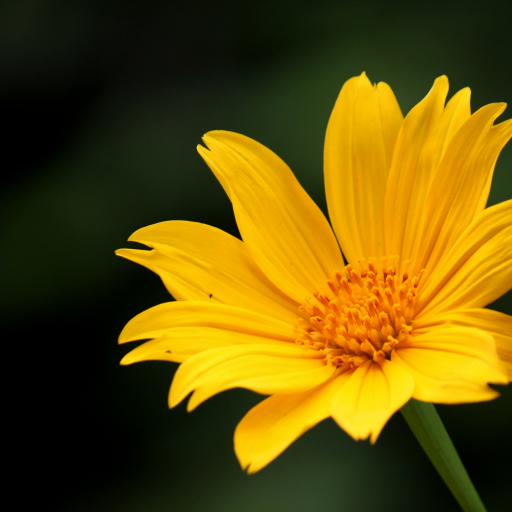
Often called the Mexican Sunflower or Tree Marigold, Tithonia diversifolia is a towering beauty that brings a splash of sunshine to any landscape. While it looks like a delicate wildflower, it is actually a robust, perennial shrub that grows with staggering speed, often reaching the height of a small tree in a single season. In many tropical regions, it is celebrated as "green manure" because its leaves are incredibly rich in nutrients that act as a natural fertilizer for the earth.
🔍 How to Identify
- 🌻 The Blooms: Large, daisy-like flowers with vibrant golden-yellow petals surrounding a central orange-yellow disc. They often span 3 to 6 inches across and smell faintly of honey.
- 🍃 The Foliage: Distinctive, deeply lobed leaves—usually with 3 to 5 pointed sections—that have a velvety, slightly fuzzy texture on the underside.
- 🎋 Growth Habit: A multi-stemmed, sprawling shrub that can quickly reach heights of 10 to 15 feet. Its stems are woody at the base but remain soft and green toward the top.
🏡 In Your Garden
- 🌞 Sun-Seeker: This plant is a true child of the sun. It requires full exposure to reach its maximum height and produce the dense clusters of flowers it is famous for; in shade, it will become "leggy" and refuse to bloom.
- 🌱 Living Fertilizer: One of its most unique traits is its "biomass." The leaves accumulate high levels of nitrogen, phosphorus, and potassium. Smart gardeners often "chop and drop" the foliage to mulch nearby plants, providing a potent, natural nutrient boost.
- ✂️ Aggressive Growth: Because it grows so fast, it can easily take over a small space. It responds well to hard pruning; don't be afraid to cut it back significantly after the flowering season to keep it from becoming unmanageable.
⚠️ Safety & Toxicity
- 🛡️ General Status: Tithonia diversifolia is generally considered non-toxic to humans and common household pets.
- 🧴 Skin Sensitivity: Some individuals with sensitive skin may experience mild irritation or a "scratchy" feeling from the fine hairs on the stems and leaves. It is best to wear gloves when doing heavy pruning or clearing.
✨ Fun Fact
In parts of Africa and Asia, this plant is so effective at restoring depleted soil that it is nicknamed the "Nitrogen Factory." It is frequently used by farmers to reclaim land where nothing else will grow, effectively "healing" the soil for future crops.

Detailed Care Instructions
| Humidity | Normal |
| Lighting | Full Sun |
| Difficulty | Easy |
| Hibernation | Cold Period |
| Hardiness Zones | 3 - 11 |
To grow Tithonia Diversifolia, also known as Mexican sunflower, follow these steps:
- Choose a location: Tithonia Diversifolia requires full sun exposure for at least six to eight hours a day. Select a spot in your garden or outdoor area that receives ample sunlight.
- Soil preparation: The plant prefers well-draining soil with a pH between 6.0 and 7.5. Amend the soil with organic matter, such as compost or aged manure, to improve fertility and drainage. Ensure the soil is loosened up to a depth of at least 6-8 inches.
- Sowing seeds: Tithonia Diversifolia can be grown from seeds. Plant the seeds directly in the ground after the last frost date in your region. Make sure the soil temperature is consistently above 60°F (15°C) for successful germination. Sow the seeds about 1/4 inch deep and space them around 18-24 inches apart.
- Watering: Keep the soil consistently moist but not overly saturated during the germination and establishment phase. Once the plant is established, it will tolerate some drought but will thrive better with regular watering, especially during extended dry periods.
- Fertilizing: Apply a balanced fertilizer, such as a 10-10-10 or 12-12-12 formulation, once a month during the growing season. Follow the package instructions for the recommended application rates.
- Providing support: Tithonia Diversifolia can grow quite tall, ranging from 4-8 feet in height. As the plant grows, consider providing support such as stakes or trellises to prevent it from drooping or falling over.
- Pruning: Regularly prune the plant by pinching the tips of the stems to promote bushier growth. This can be done throughout the growing season as needed.
- Pest and disease management: Tithonia Diversifolia is generally resistant to pests and diseases. However, keep an eye out for common garden pests like aphids or spider mites. If necessary, treat infestations with organic insecticidal soap or neem oil.
- Harvesting: Tithonia Diversifolia blooms with vibrant orange or yellow flowers, attracting pollinators like butterflies and bees. You can also harvest the flowers for cut arrangements. Make sure to cut the flowers early in the morning when they are fully open for longer vase life.
By following these steps, you should be able to successfully grow Tithonia Diversifolia in your garden or outdoor space.

Place in a bright room that is sun drenched almost all day. Or directly in a south-facing window.

When watering this plant, it is important to take into consideration its natural environment and watering needs. One should use lukewarm water to avoid shocking the plant's root system and aim to water the soil around the plant's base, rather than directly on the leaves or flowers. The frequency of watering should depend on the plant's needs, taking into account factors such as the temperature and humidity of the environment, and whether the plant receives direct or indirect sunlight. Overwatering or underwatering can cause damage to the plant, so it is important to monitor the soil's moisture levels and adjust the watering frequency accordingly.
To fertilize this plant, you should start by preparing the soil. Mix a slow-release fertilizer into the top layer of the soil ensuring not to disturb the roots. Choose a fertilizer with a balanced N-P-K ratio and micronutrients like iron, magnesium, and calcium. Water the plant thoroughly before and after application. Fertilize the plant every 4-6 weeks during the growing season, and avoid fertilizing during the dormant season. Over-fertilization can damage the plant and cause nutrient imbalance. So use fertilizer sparingly as per the instruction given on the package and be careful not to use more than the recommended amount.
Tithonia Diversifolia thrives in well-draining soil that is organically rich and loamy. The ideal soil pH for this plant ranges between 5.5 and 7.5. The soil should have good water retention capabilities to prevent the plant from drying out during hot weather. Sandy soils may not be suitable for Tithonia Diversifolia as they tend to dry out quickly and cannot hold nutrients. Adding organic matter such as compost or manure to the soil can improve its structure, increase water retention, and add important nutrients that the plant needs for growth. Additionally, soil that is too compact or heavy can impede root growth, so it is important to make sure the soil is loose enough for roots to easily penetrate. Overall, Tithonia Diversifolia requires well-draining, nutrient-rich soil with good water retention properties to ensure proper growth and development.
Tithonia diversifolia can be propagated through stem cuttings or by dividing the root ball. To propagate through stem cuttings, choose a healthy stem and make a clean cut just below a node. Remove the lower leaves and place the cutting in moist soil or water until roots appear. Once roots have formed, transplant the new plant into a pot or garden soil. To propagate by dividing the root ball, carefully dig up the plant and separate the roots into smaller sections. Each section should have some roots and leaves attached. Replant the smaller sections into separate pots or in the garden. It's recommended to propagate Tithonia diversifolia during the growing season for the best chance of success.








