Plant Overview
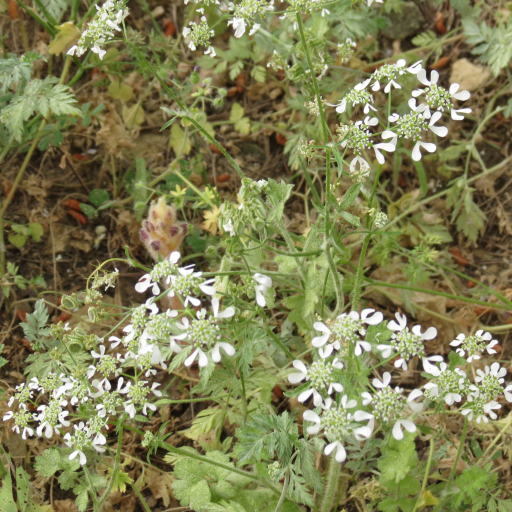
Known as the Mediterranean Hartwort, this delicate annual is a standout member of the carrot family. Often found dancing in the coastal breezes of Southern Europe, its blossoms look like tiny, intricate pieces of handmade lace or even "miniature fried eggs" from a distance. In its native lands, it is a celebrated wildflower that signals the peak of spring with its unique, asymmetrical blooms.
🔍 How to Identify
- 🤍 The Outer Petals: This is its most famous trait. The tiny white flowers on the outer edge of each cluster have one or two significantly enlarged, heart-shaped petals, creating a "halo" effect around the flower head.
- 🌿 Fuzzy Foliage: The stems and leaves are covered in soft, fine hairs, giving the plant a slightly silvery or muted green appearance.
- 🪙 Coin-like Seeds: Once the flowers fade, they are replaced by flattened, circular seed pods with thickened, hairy margins that look like ancient miniature coins.
🏡 In Your Garden
- ☀️ Sun Seeker: As a Mediterranean native, this plant thrives in full sun and well-drained, even "poor" rocky soil. It doesn't like having "wet feet," so ensure your soil isn't holding too much moisture.
- 🌱 Self-Sowing Beauty: Because it is an annual, it lives for only one season. However, it is an excellent self-sower; if you leave the seed heads alone, they will drop to the ground and provide you with a fresh colony of lace-like flowers the following year.
⚠️ Safety & Toxicity
- 🟢 Status: Generally considered non-toxic, but requires extreme caution.
- 🛑 The Look-alike Risk: The Mediterranean Hartwort belongs to the Apiaceae family, which contains some of the world's most toxic plants, including Poison Hemlock. Never consume this plant unless you are 100% certain of its identity. Additionally, the sap may cause mild skin sensitivity (phytophototoxicity) in some people when exposed to direct sunlight.
✨ Fun Fact
In Greece, this plant is known as kafkalithra. It is a highly aromatic herb and is a traditional ingredient in "Hortopita" (wild green pies), where it is prized for its unique, sweet, and spicy fragrance!

Detailed Care Instructions
To grow Tordylium apulum (Mediterranean hartwort), you can follow these steps:
- Climate and Location: Check if your climate is suitable for growing Tordylium apulum. It thrives in Mediterranean climates with dry, warm summers and mild, wet winters. Choose a well-drained location with full sun exposure.
- Soil Preparation: Prepare the soil by removing any weeds or debris. Tordylium apulum prefers moderately fertile, well-draining soil. If the soil is heavy or clayey, amend it with organic matter or compost to improve drainage.
- Sowing Seeds: Sow the Tordylium apulum seeds directly into the prepared soil in early spring when the soil temperature is around 15-20°C (59-68°F). Space the seeds about 30 cm (12 inches) apart and cover them lightly with soil, about 1 cm (0.4 inches) deep. Water gently.
- Watering: Keep the soil evenly moist but not waterlogged, especially during germination. After the plants are established, they can tolerate occasional dry spells. Water deeply once a week during dry periods.
- Maintenance: Remove any weeds that compete with the Tordylium apulum plants for nutrients and sunlight. Mulching around the plants can help suppress weed growth and retain moisture in the soil.
- Pruning: Tordylium apulum does not require much pruning. However, you can trim off any dead or damaged foliage to maintain the plant's appearance and overall health.
- Pests and Diseases: Tordylium apulum is generally resistant to pests and diseases. However, keep an eye out for common garden pests like aphids or snails. If needed, treat them with appropriate organic or chemical solutions.
- Harvesting: Tordylium apulum is grown primarily for its foliage and flowering stems. Harvest the leaves and stems when they are mature and dry them for culinary or medicinal purposes.
Remember, having prior knowledge about your specific growing zone and soil conditions will help you adapt these general guidelines to your particular situation.

Place in a bright room that is sun drenched almost all day. Or directly in a south-facing window.

To water this plant, it is important to assess the soil moisture level before watering. Stick your finger into the soil up to the second knuckle to determine if the soil is dry. If it feels moist, wait a few days before checking it again. If it feels dry, slowly water the plant until the soil is evenly moist but not waterlogged. Allow excess water to drain out of the bottom of the container to prevent root rot. Watering schedule will depend on the temperature, humidity and the amount of sunlight the plant receives, but generally this plant requires watering once every week or two.
To fertilize this plant, it is recommended to use a balanced fertilizer with equal N-P-K ratios. Apply the fertilizer at a rate of 1/4 teaspoon per gallon of water every two weeks during the growing season. Avoid applying fertilizer during the dormant season. Water the plant well before and after fertilizing.
When planting Tordylium Apulum, it is important to select a well-draining soil with a pH range of 6.0 to 8.5. The soil should be rich in organic matter and nutrients, holding moisture but not becoming waterlogged. Avoid using heavy, clay-like soils that can compact and restrict root growth. Instead, opt for a light, porous soil that allows for proper aeration and drainage. Additionally, adding a slow-release fertilizer to the soil before planting can promote healthy growth and development.
To propagate this plant, you will need to start by collecting fresh seeds from the mature plant. Once collected, remove any dry or damaged seeds and soak the remaining seeds in warm water for 24 hours to soften the hard outer shell.
Prepare a well-draining soil mix in a pot or container and plant the seeds about 1/4 inch deep. Water the soil thoroughly and cover the pot with a clear plastic wrap to create a humid environment for the seeds.
Keep the pot in a warm and bright location, but out of direct sunlight. The seeds should germinate in about 2-3 weeks. Once the seedlings have grown to about 3 inches in height, you can transplant them into individual pots or directly into your garden.
Be sure to provide the plants with regular watering and fertilization to promote healthy growth. In a few months, your propagated Tordylium Apulum plants should be fully established and producing beautiful flowers.








