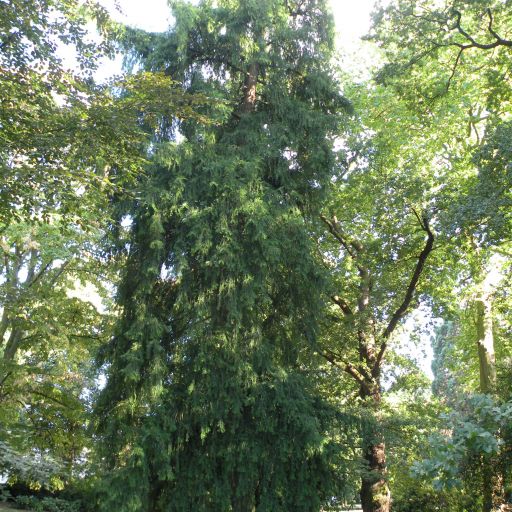
Plant Overview
Known as the "California Nutmeg," this rare evergreen is a botanical treasure found only in the wild corners of California. It carries an air of prehistoric mystery, as its lineage stretches back millions of years, making it a "living fossil." Despite its name, it is actually a distant cousin of the Yew tree and is not related to the spice found in your kitchen cupboard.
🔍 How to Identify
- 🌲 The Needles: The leaves are stiff, flat, and exceptionally sharp-pointed. They are a lustrous dark green on top with two hidden white bands on the underside.
- 🟢 The "Nutmeg" Fruit: It produces a single seed covered in a fleshy, resinous coating. It looks remarkably like a large green olive or a plum, eventually turning a purplish-brown.
- 🪵 The Bark: The trunk features thin, grayish-brown bark that develops shallow fissures and narrow ridges as the tree matures.
🏡 In Your Garden
- 💧 The Shade Lover: Unlike many California natives that crave sun, the California Nutmeg thrives in cool, moist, and shady canyons. If planting one, ensure it has protection from the harsh afternoon heat.
- 🐢 Slow and Steady: This species is notoriously slow-growing. It invests heavily in its root system early on, which means it hates being transplanted. Once you choose a spot, let it stay there for the next century!
⚠️ Safety & Toxicity
- 📍 Physical Hazard: The primary "danger" of this plant is its needles. They are stiff and needle-sharp, capable of easily piercing skin or light clothing.
- 🧪 Toxicity Assessment: While the internal seed was historically processed and eaten by Indigenous groups, the raw plant parts are not considered food. Keep children and pets away from the fallen "fruits," as the hard seeds can be a choking hazard or cause digestive upset if swallowed.
✨ Fun Fact
Indigenous Californians, including the Pomo and Yuki peoples, highly valued the wood of the California Nutmeg for crafting hunting bows because the wood is incredibly strong, fine-grained, and surprisingly flexible.

Detailed Care Instructions
To grow Torreya Californica plants, also known as California nutmeg, follow these steps:
- Obtain seeds: Collect seeds from a mature Torreya Californica tree or purchase them from a reputable nursery or seed supplier.
- Preparing the seeds: Soak the seeds in water for 12-24 hours to soften the hard outer shell. This will help with germination.
- Planting location: Choose a suitable location for planting. Torreya Californica plants prefer partial shade with well-draining soil. The soil should be slightly acidic with a pH level of 5.5 to 6.5.
- Planting the seeds: Plant the seeds in a small container or directly in the ground. Dig a hole about 1-2 inches deep and place the seed in the hole with the pointed end facing down. Cover the seed with soil and gently firm it down.
- Watering: Keep the soil consistently moist but not waterlogged. Water regularly, especially during dry periods or the seedling stage.
- Provide shade: Torreya Californica plants are sensitive to intense sunlight, especially when young. Provide adequate shade by using shade cloth or planting them under partial shade trees.
- Mulching: Apply a layer of organic mulch around the base of the plant to help retain moisture and suppress weeds. Leave a gap around the stem to avoid rotting.
- Pruning: Regularly inspect the plant and remove any dead or damaged branches. Pruning is best done during the dormant season in winter.
- Fertilizer: Apply a balanced slow-release fertilizer in early spring and again in early summer. Follow the instructions on the fertilizer packaging for proper dosage.
- Protection from pests: Monitor the plants for pests, such as aphids or spider mites, and treat them promptly with organic insecticides or other appropriate methods.
- Patience: Torreya Californica plants are slow-growing, and it may take several years for them to reach a significant size. Be patient and provide proper care.
- Conservation: As Torreya Californica trees are endangered in the wild, consider sharing seeds or plant material with conservation organizations or joining efforts to protect and propagate this species.
Remember to research specific information about the Torreya Californica plant to ensure it thrives in your particular climate and growing conditions.

Place in a bright room that is sun drenched almost all day. Or directly in a south-facing window.

To properly water this plant, one should first check the soil moisture level by feeling the soil about 2-3 inches below the surface. If the soil is dry at this depth, it is time to water. It is best to use a watering can or a hose with a gentle spray attachment to avoid damaging the plant. Water the base of the plant slowly and thoroughly until water starts to seep out of the drainage holes in the bottom of the container or the soil feels saturated. It is important not to overwater the plant as this can lead to root rot and other problems. It is recommended to allow the soil to dry out slightly between watering, but never completely dry out. It is also important to avoid getting water on the foliage as this can lead to fungal diseases. Finally, it is best to water in the early morning or late afternoon to avoid evaporation and reduce stress on the plant.
To fertilize this plant, use a slow-release fertilizer that is balanced in nutrients, such as a 10-10-10 or 20-20-20. Apply the fertilizer evenly around the base of the plant, avoiding the trunk. Water thoroughly after fertilizing, and repeat every four to six weeks during the growing season. Be careful not to over-fertilize, as this can cause damage to the plant.
The ideal soil for Torreya Californica plant is a well-draining, nutrient-rich soil that is slightly acidic. Avoid heavy clay soils that retain moisture for extended periods, as these can cause root rot in the plant. A good soil mix for Torreya Californica includes organic matter such as peat moss or compost, as well as coarse sand or perlite to improve drainage. It is important to ensure the soil stays moist but not waterlogged, as the plant prefers moist conditions but may suffer if constantly saturated. Additionally, adding a layer of mulch around the plant can help to retain moisture in the soil and provide additional nutrients as it decomposes.
To propagate a plant without using its common name, follow these steps:
- Obtain a cutting from a healthy Torreya Californica plant. Choose a stem that is at least 6 inches long and has several leaves.
- Cut the stem at a 45-degree angle using a sharp, sterile knife or scissors. Remove any leaves from the lower two-thirds of the stem.
- Dip the cut end of the stem into rooting hormone powder to encourage the development of roots.
- Plant the stem cutting in a well-draining soil mix, ensuring that the soil is moist but not waterlogged. Cover the soil with a plastic bag to create a mini greenhouse.
- Place the cutting in a bright, warm location but out of direct sunlight. Check the soil regularly and water as needed to keep it moist.
- After several weeks, check the stem cutting for signs of root growth. Once roots have formed, carefully remove the plastic bag and gradually acclimate the cutting to its new environment.
- Once the cutting has become established, transplant it into a larger pot or into its permanent location in the garden.








