Plant Overview
Often called the "Stinking Cedar" or "Florida Nutmeg," Torreya taxifolia is one of the rarest and most critically endangered conifers in the world. A true "living fossil," this ancient evergreen has survived since the time of the dinosaurs but is currently fighting for its life in the wild. Its pungent aroma and storied history make it a legendary figure among plant enthusiasts and conservationists alike.
🔍 How to Identify
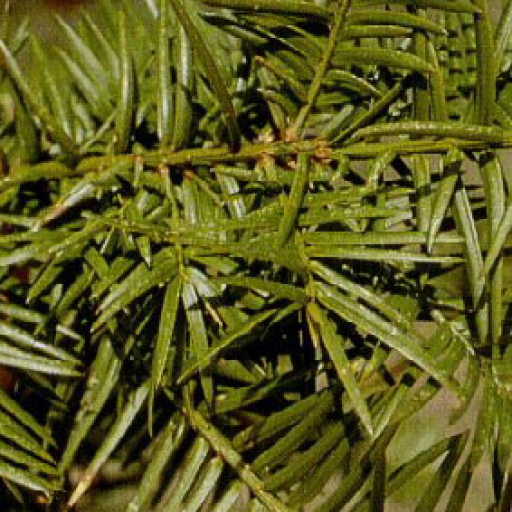
- 🌿 Sharp Needles: The leaves are stiff, glossy, and needle-like, ending in a very sharp point that can prick the skin if handled roughly.
- 👃 Pungent Scent: If you crush the needles, they release a strong, resinous odor that many describe as a mix of turpentine and tomato vines.
- 🥜 Nut-like Seeds: Unlike many pines that produce dry cones, this tree produces a large, fleshy seed that looks like a green or purple olive, containing a nut-like center.
🏡 In Your Garden
- 🏺 A Conservation Icon: Because it is critically endangered, you won’t find this at a typical nursery. Growing it usually requires a permit or sourcing from specialized conservation groups. It is highly sensitive to a fungal blight that has decimated its population in the wild.
- 🌫️ Specific Microclimate: In a garden setting, it demands "Goldilocks" conditions. It hates the afternoon sun and requires deep shade, high humidity, and moist, acidic soil. It is a slow grower that dislikes being moved once its taproot is established.
⚠️ Safety & Toxicity
- 🛑 Caution Advised: While it doesn't share the extreme lethality of its cousin, the English Yew, all parts of the Torreya should be considered non-edible and potentially toxic.
- 🐾 Pet Safety: The high concentration of volatile oils and resins can cause severe stomach upset if needles or seeds are ingested by dogs or cats. The sharp needles also pose a physical risk to curious noses and paws.
✨ Fun Fact
- 🛶 Noah's Wood: Local legend in the Florida Panhandle once claimed that the Torreya taxifolia was the original "Gopher Wood" used by Noah to build the Ark, earning it a permanent spot in regional folklore!

Detailed Care Instructions
To grow a Torreya taxifolia plant, also known as the Florida Nutmeg, follow these steps:
- Obtain seeds or seedlings: Purchase Torreya taxifolia seeds or seedlings from a reputable nursery or source. You may also try to obtain them from botanical gardens or specialized plant conservation organizations.
- Choose a suitable location: Torreya taxifolia prefers well-drained soils and partially shaded areas. The plant grows naturally in forest understories in the southeastern United States. Ensure the soil is rich in organic matter and has a slightly acidic to neutral pH level.
- Prepare the soil: Clear the area of any weeds, rocks, or debris. Loosen the soil to improve its drainage capability and incorporate organic matter into it.
- Plant the seeds or seedlings:
- Seeds: Soak the seeds in water for 24 hours before planting. Sow them in a pot or directly in the ground at a depth of approximately 1 inch. Cover the seeds with soil and water gently.
- Seedlings: Dig a hole slightly larger than the root ball of the seedling. Place the seedling in the hole and backfill with soil, gently firming it around the roots. Water the seedling thoroughly after planting.
- Watering: Keep the soil consistently moist but not waterlogged. Water deeply once or twice a week, depending on rainfall and temperature conditions. Avoid overwatering as it can cause root rot.
- Mulching: Apply a layer of organic mulch, such as wood chips or bark, around the base of the plant. This helps retain moisture, suppresses weed growth, and moderates soil temperature.
- Pruning: Prune any dead, damaged, or diseased branches. You may also shape the plant by selectively pruning to maintain a desired form or size. Prune during the plant's dormant period, which is usually in late winter or early spring.
- Fertilizing: Torreya taxifolia typically does not require much fertilization. However, you can apply a balanced, slow-release fertilizer in early spring or late fall to provide essential nutrients. Follow the instructions on the fertilizer packaging for proper amounts and application methods.
- Protection: Torreya taxifolia is an endangered species, so it's important to protect the plant from browsing animals and habitat destruction. Erecting a small fence or using deer netting around the plant can help prevent damage.
- Patience: Torreya taxifolia is a slow-growing plant, and it may take several years for it to reach a substantial size. Be patient and provide suitable care while waiting for it to mature.
It's crucial to note that Torreya taxifolia is an endangered species, and its cultivation and propagation should align with local regulations and conservation efforts. Consider seeking advice from local plant conservation organizations or native plant experts while growing this rare species.

Place in a bright room that is sun drenched almost all day. Or directly in a south-facing window.

To water this plant, it is important to observe the moisture content of the soil. The watering frequency should be adjusted according to the current weather conditions, the plant's age, and the quality of the soil. It is recommended to use a garden hose or a watering can with small holes to avoid damaging the roots. The water should be applied evenly around the plant's base, and it should soak the soil to a depth of approximately six inches. It is advised to water this plant deeply and less frequently rather than applying small amounts of water frequently. The soil should be allowed to dry between watering to prevent root rot. Over-watering may lead to severe damage or death of the plant. To maintain the optimal moisture level, it is helpful to add a layer of mulch around the plant's base to retain moisture and prevent evaporation.
To fertilize this plant, choose a balanced fertilizer with equal parts nitrogen, phosphorus, and potassium. Apply the fertilizer in early spring before new growth begins. Use a slow-release fertilizer to prevent over-fertilization and burn. Apply the fertilizer evenly around the base of the plant. Water the plant well after fertilizing. Repeat this process every 2-3 months during the growing season. Avoid over-fertilizing as it can damage the plant and cause excessive growth.
The ideal soil for Torreya Taxifolia requires a well-draining, loamy soil with a slightly acidic to neutral pH level. It prefers soil with a good amount of organic matter such as well-rotted compost or leaf mould. It should not be planted in heavy clay soil as this can lead to poor drainage and an unhealthy root system. The soil should be kept evenly moist but not waterlogged, as the plant is susceptible to root rot. It is also important to avoid using fertilizers that are high in nitrogen as this can lead to excessive foliage growth and poor root development.
There are several methods for propagating this plant. One way is to collect its seeds and plant them in fertile soil during the fall or early winter. It is important to scar the seeds slightly before planting to help with germination. Another method is to take cuttings from the plant during the summer months and root them in a moist rooting medium. These cuttings should be taken from the current year's growth and treated with a rooting hormone before being planted.
The third method of propagation is through layering, where a branch from the parent plant is buried in soil so that it produces roots and eventually becomes an independent plant. This method can be done in early spring or fall when the plant is actively growing.
After propagation, the new plants should be planted in well-drained and nutrient-rich soil. They require regular watering, especially during the first few years of growth. With proper care, the new plants should establish themselves and grow into healthy specimens.








