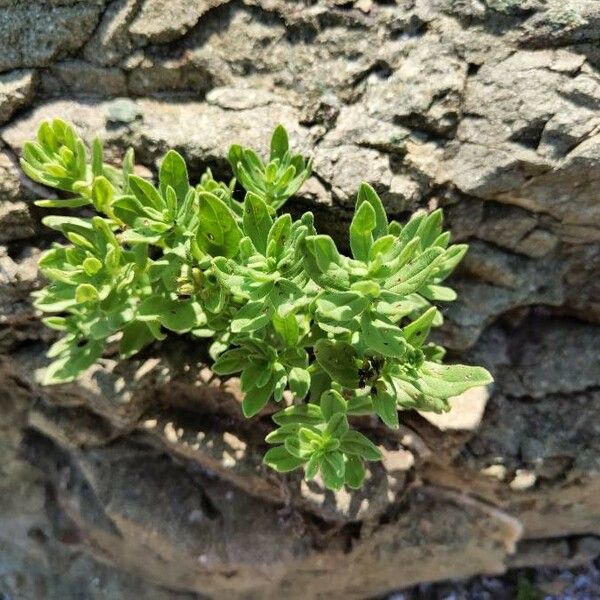
Plant Overview
Meet the Siberian Heliotrope, a resilient wanderer of the northern coastlines and sandy steppes. Often found braving the salty winds of Eastern Europe and Siberia, this hardy perennial is a master of survival in harsh, saline environments. Known for its shimmering silver foliage and delicate perfume, it acts as a tough but beautiful groundcover for those dealing with difficult coastal soils.
🔍 How to Identify
- 🌿 The Foliage: The leaves are a distinct grayish-green or silvery hue, covered in fine, soft hairs that give the plant a velvety texture and protect it from intense sun.
- 🌸 The Blooms: Small, star-shaped white flowers appear in "scorpioid cymes"—meaning the flower clusters curl at the tip like a scorpion's tail before unfurling.
- 📏 Growth Habit: It typically grows as a low, spreading sub-shrub or herb, forming dense mats that help stabilize sandy or loose soils.
🏡 In Your Garden
- 🏖️ Coastal Specialist: Because it originates from seaside sands and salty marshes, this plant is an excellent choice for "xeriscaping" or coastal gardens where salt spray kills more sensitive species.
- ☀️ Sun Seeker: It thrives in full, unobstructed sunlight. The silvery hairs on its leaves act like tiny mirrors, reflecting excess heat and helping the plant retain moisture in parched conditions.
- 🌱 Drainage is Key: This plant hates "wet feet." If you are planting it at home, ensure the soil is sandy or gravelly; heavy clay will cause the roots to rot quickly.
⚠️ Safety & Toxicity
- 🐾 Potential Risk: Like many members of the Borage family (Boraginaceae), this species may contain pyrrolizidine alkaloids. These compounds are a natural defense against herbivores but can be toxic to the liver if ingested in large quantities.
- 👶 Keep Out of Reach: While it isn't known to cause skin irritation on contact, it is best to keep it away from curious pets or toddlers who might try to nibble on the leaves.
✨ Fun Fact
The "scorpioid" shape of the flower cluster isn't just for show; in ancient folklore, plants with this shape were often (incorrectly) believed to be a cure for scorpion stings—a practice known as the "Doctrine of Signatures," where a plant's physical appearance suggested its medicinal use!

Detailed Care Instructions
Tournefortia sibirica, commonly known as "Beach Heliotrope," is a hardy shrub typically found in coastal areas. Here is a guide to help you grow this plant successfully:
Step-by-Step Guide to Growing Tournefortia Sibirica
1. Choosing the Right Location:
- Sunlight: This plant thrives in full sun but can tolerate partial shade. Aim for at least 6-8 hours of direct sunlight daily.
- Soil: Well-drained sandy or loamy soil is ideal. This plant is quite tolerant of poor soils and saline conditions, making it suitable for coastal regions.
- Space: Ensure there is enough space for the plant to grow as it can spread quite wide. Provide about 3–5 feet space between plants if planting multiple.
2. Planting:
- Seed Starting:
- Soak seeds in warm water for 24 hours to improve germination rates.
- Use a seed-starting mix and plant seeds just below the surface.
- Keep the soil moist but not waterlogged.
- Maintain a warm environment, around 70-75°F (21-24°C), until germination, which typically takes a few weeks.
- Soak seeds in warm water for 24 hours to improve germination rates.
- Transplanting:
- If starting indoors, transplant seedlings once they have a few sets of true leaves and after the risk of frost has passed.
- Dig a hole big enough to accommodate the root ball and plant at the same depth it was growing in the pot.
- Water thoroughly after planting.
3. Watering:
- If starting indoors, transplant seedlings once they have a few sets of true leaves and after the risk of frost has passed.
- Water young plants regularly to help establish roots.
- Once established, Tournefortia sibirica is quite drought-tolerant. Water during prolonged dry periods, but avoid overwatering.
4. Fertilizing:
- Generally, this plant doesn't require much fertilization if planted in nutrient-rich soil.
- For poor soils, a slow-release, balanced fertilizer applied in spring can promote healthy growth.
5. Pruning and Maintenance:
- Prune annually to maintain shape and remove any dead or damaged branches.
- Pruning can also help manage size and encourage bushier growth.
6. Pests and Diseases:
- Tournefortia sibirica is generally resistant to most pests and diseases.
- Monitor regularly for any signs of aphids, caterpillars, or fungal diseases, and address them promptly if they occur.
7. Protection Against Elements:
- This plant is relatively hardy but may need minimal protection against strong winds or heavy storms, especially when young.
Tips
- Propagation: You can also propagate Tournefortia sibirica through cuttings. Take semi-hardwood cuttings in late summer and plant them in a well-draining medium.
- Companion Plants: Consider planting with other coastal plants like sea grape or beach morning glory to create a coastal garden theme.
By following these steps, you should be able to successfully grow and enjoy the Tournefortia sibirica plant.

Place in a bright room that is sun drenched almost all day. Or directly in a south-facing window.

Tournefortia sibirica, a resilient and interesting plant, requires a thoughtful approach to watering to maintain its health. Here is a detailed guide on how to water this plant effectively:
1. **Soil Considerations**: Ensure the soil is well-draining. This plant thrives in soils that do not retain excessive moisture, which can lead to root rot. Amend the planting medium with sand or perlite if necessary to improve drainage.
2. **Watering Frequency**: The frequency of watering depends largely on the environmental conditions and the soil type. Generally, this plant prefers the soil to dry out slightly between watering sessions. In warmer, dryer climates, you may need to water more frequently, while in cooler, more humid conditions, less frequent watering is required.
3. **Watering Amount**: When you do water, ensure you provide enough to moisten the soil deeply. A thorough watering encourages deeper root growth, which helps the plant be more drought-tolerant. Water until you see it beginning to drain out the bottom of the pot or the base of the planting area.
4. **Seasonal Adjustments**:
- **Spring and Summer**: During the growing season, more frequent watering may be necessary as the plant uses more water for growth.
- **Fall and Winter**: The plant's water requirements typically decrease in the cooler months. Reduce watering accordingly to avoid waterlogging and root issues.
5. **Signs of Overwatering**: Watch for signs such as yellowing leaves, wilting despite moist soil, or a general decline in plant vigor. These can indicate that you are providing too much water.
6. **Signs of Underwatering**: Conversely, if the plant's leaves start to curl, turn brown at the edges, or drop prematurely, and the soil feels dry significantly below the surface, it might be suffering from underwatering.
7. **Environmental Humidity**: Although this plant does not require high humidity, maintaining a moderate level of environmental humidity can support overall plant health. If the air is extremely dry, consider occasional misting or using a humidity tray.
8. **Mulching**: Applying a layer of mulch can help retain soil moisture and reduce the frequency of watering, especially in outdoor plantings. Use organic material like bark or compost, but ensure it does not touch the plant's stem directly to prevent rot.
By adhering to these watering guidelines, you can help ensure that Tournefortia sibirica remains healthy and vibrant. Consistency and careful observation are key to meeting its water needs accurately.
Here are the fertilizing instructions for Tournefortia sibirica:
- Initial Planting:
- When initially planting, mix a balanced, slow-release fertilizer into the soil. A ratio such as 10-10-10 (N-P-K) works well. This will provide the essential nutrients to support root development and initial growth.
- When initially planting, mix a balanced, slow-release fertilizer into the soil. A ratio such as 10-10-10 (N-P-K) works well. This will provide the essential nutrients to support root development and initial growth.
- Seasonal Fertilizing:
- Apply a balanced, slow-release granular fertilizer in early spring as new growth begins. Follow the manufacturer's instructions for the quantity based on the size of your plant.
- A second application can be made in mid-summer to sustain growth and encourage blooming.
- Apply a balanced, slow-release granular fertilizer in early spring as new growth begins. Follow the manufacturer's instructions for the quantity based on the size of your plant.
- Monthly Feeding:
- During the growing season (spring through early fall), apply a water-soluble fertilizer once a month. A balanced formula like 10-10-10 or 20-20-20 can be used.
- Dilute the fertilizer to half the recommended strength to avoid overfeeding, which can cause foliage burn and other issues.
- During the growing season (spring through early fall), apply a water-soluble fertilizer once a month. A balanced formula like 10-10-10 or 20-20-20 can be used.
- Compost and Organic Matter:
- Incorporate organic compost into the soil annually, ideally in the early spring. This not only boosts nutrient content but also improves soil structure and water retention.
- Organic matter such as well-rotted manure or leaf mold can also be beneficial.
- Incorporate organic compost into the soil annually, ideally in the early spring. This not only boosts nutrient content but also improves soil structure and water retention.
- Mulching:
- Apply a 2-3 inch layer of organic mulch around the base of the plant. This helps retain soil moisture, regulate soil temperature, and gradually adds nutrients as it decomposes.
- Apply a 2-3 inch layer of organic mulch around the base of the plant. This helps retain soil moisture, regulate soil temperature, and gradually adds nutrients as it decomposes.
- Watering and Nutrient Availability:
- Ensure consistent watering, especially during dry periods, as adequate moisture is necessary for nutrient uptake.
- Monitor the soil's pH levels, aiming for a slightly acidic to neutral range (pH 6.0-7.0), to ensure optimal nutrient availability.
- Ensure consistent watering, especially during dry periods, as adequate moisture is necessary for nutrient uptake.
- Avoid Over-fertilizing:
- Over-fertilization can lead to lush foliage with reduced flowering. If you notice excessive foliage growth and few flowers, reduce the frequency or concentration of fertilizer applications.
- Over-fertilization can lead to lush foliage with reduced flowering. If you notice excessive foliage growth and few flowers, reduce the frequency or concentration of fertilizer applications.
- Annual Adjustment:
- Each year, evaluate the plant's growth and health. Adjust the type and frequency of fertilizer applications as needed based on observed performance.
By following these guidelines, you will help ensure your Tournefortia sibirica remains healthy and vibrant, with optimal growth and blooming throughout the season.
- Each year, evaluate the plant's growth and health. Adjust the type and frequency of fertilizer applications as needed based on observed performance.
When cultivating Tournefortia sibirica, it's essential to select the appropriate soil to ensure healthy growth and optimal development. Here are the specific soil requirements for this plant:
- Well-Draining Soil: This plant thrives in soil that has good drainage capabilities. Ensuring that the soil does not retain excessive moisture is crucial to prevent root rot and other related issues.
- Sandy Loam: A sandy loam soil type is ideal as it provides a good balance of drainage and nutrient retention. This type of soil is light, well-aerated, and encourages healthy root growth.
- Organic Matter: Incorporating organic matter, such as compost or well-decomposed manure, can help improve soil fertility. This enriches the soil with essential nutrients that support the plant's growth.
- pH Level: The soil should have a slightly acidic to neutral pH level, ranging from about 6.0 to 7.0. This pH range is suitable for nutrient absorption and overall plant health.
- Aeration: Choosing a soil mix that ensures good aeration is beneficial. This can be achieved by incorporating components like perlite or vermiculite, which help maintain soil structure and prevent compaction.
- Moisture Retention: While the soil should be well-draining, it should also have the capacity to retain adequate moisture. The addition of organic matter can help achieve the right balance between drainage and moisture retention.
By selecting soil that meets these criteria, you can provide an optimal growing environment for Tournefortia sibirica, ensuring that it remains healthy and vibrant.
Propagating Tournefortia sibirica can be effectively done through seeds and cuttings. Here are detailed steps for both methods:
Seed Propagation:
- Seed Collection:
- Collect seeds from mature plants once they have fully ripened and are dry.
- Collect seeds from mature plants once they have fully ripened and are dry.
- Preparation:
- Clean the seeds by removing any pulp or debris.
- To enhance germination rates, consider scarifying the seeds by lightly sanding them or soaking them in warm water for several hours.
- Clean the seeds by removing any pulp or debris.
- Sowing:
- Fill seed trays or pots with a well-draining potting mix.
- Sow the seeds at a depth of about 1/4 inch (6 mm).
- Lightly cover the seeds with soil and gently water them.
- Fill seed trays or pots with a well-draining potting mix.
- Germination Conditions:
- Place the seed trays in a warm, bright location but out of direct sunlight.
- Maintain a consistent soil moisture level by misting the soil or keeping it lightly watered.
- The ideal temperature for germination typically ranges between 65-75°F (18-24°C).
- Place the seed trays in a warm, bright location but out of direct sunlight.
- Post-Germination:
- Seeds usually germinate within a few weeks.
- Once the seedlings have developed a couple of true leaves, transplant them into individual pots to encourage further growth before moving them to their final location.
Cuttings Propagation:
- Seeds usually germinate within a few weeks.
- Selection of Cuttings:
- Choose healthy, non-flowering stems from a mature plant. Ideal stems are semi-hardwood, meaning they are firm yet flexible.
- Cut 4-6 inch (10-15 cm) sections from the tips of the stems, ensuring each cutting has at least two nodes.
- Choose healthy, non-flowering stems from a mature plant. Ideal stems are semi-hardwood, meaning they are firm yet flexible.
- Preparation:
- Remove the leaves from the lower part of the cuttings, leaving a few leaves at the top.
- If desired, dip the cut end in rooting hormone to enhance rooting success.
- Remove the leaves from the lower part of the cuttings, leaving a few leaves at the top.
- Planting the Cuttings:
- Prepare a pot with a well-draining potting mix, such as a mixture of peat and perlite or sand.
- Insert the cuttings into the soil, burying them up to the first node.
- Firm the soil around the cuttings to ensure they are stable and upright.
- Prepare a pot with a well-draining potting mix, such as a mixture of peat and perlite or sand.
- Rooting Conditions:
- Place the pot in a warm, humid environment with indirect light.
- Keep the soil consistently moist but not waterlogged.
- Creating a mini greenhouse by covering the pot with a clear plastic bag can help maintain humidity.
- Place the pot in a warm, humid environment with indirect light.
- Aftercare:
- Roots should develop in 4-6 weeks.
- Once the cuttings have rooted and shown new growth, gradually acclimate them to normal growing conditions by removing any covers and increasing air circulation.
- Transplant the rooted cuttings into larger pots or directly into the garden once they are strong enough.
By following these detailed steps, you can successfully propagate Tournefortia sibirica through either seeds or cuttings, ensuring healthy new plants for your garden.
- Roots should develop in 4-6 weeks.








