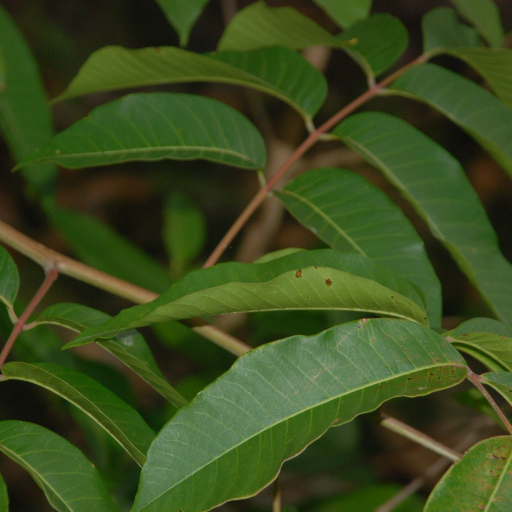
Plant Overview
Commonly known as the Manzanillo or Amayo, Toxicodendron striatum is the tropical, tree-sized cousin of the infamous Poison Ivy. Found throughout the humid forests of Central and South America, it is often nicknamed "Palo de Compadre" in certain regions. It is a plant that commands immediate respect; local legends often warn travelers not to even sleep beneath its shade for fear of "the itch."
🔍 How to Identify
- 🍃 Compound Leaves: The foliage is arranged in a pinnate pattern, typically featuring 7 to 17 leaflets. Unlike some of its jagged-edged relatives, these leaflets usually have smooth, elegant margins and a glossy sheen.
- ⚪ Waxy Berries: During the fruiting season, it produces hanging clusters of small, grayish-white berries. These are a primary identifier, as many non-toxic lookalikes produce red or dark berries.
- 🌳 Growth Habit: Unlike the creeping vines of Poison Ivy, this species grows as a substantial woody shrub or a medium-sized tree, often blending into the tropical canopy until you get too close.
⛰️ Habitat & Ecology
- 🌎 Tropical Native: It thrives in the sub-montane and montane humid forests of Mexico down through Peru and Brazil. It prefers the damp, rich soils of mountain slopes where it can reach towards the sunlight.
- 🦜 Bird Dispersal: While it is a "foe" to humans, it is a "friend" to tropical birds. Various species consume the white berries without any ill effects, helping to spread the seeds across the forest floor.
⚠️ Safety & Toxicity
- 🚨 Status: EXTREMELY TOXIC. This plant produces urushiol, a potent allergenic oil that causes severe contact dermatitis (blistering, swelling, and intense itching).
- 🔥 Inhalation Warning: Never burn any part of this tree. If the wood or leaves are burned, the urushiol becomes airborne in the smoke. Inhaling this smoke can cause life-threatening respiratory inflammation and internal blistering.
- 🐾 Universal Risk: It is dangerous to humans, dogs, and cats. The oil is persistent and can be transferred from a pet's fur to a person's skin long after the walk in the woods is over.
✨ Fun Fact
Despite its fearsome reputation, Toxicodendron striatum belongs to the family Anacardiaceae. This makes it a direct botanical relative of the delicious Mango and the Cashew nut! While we enjoy the fruit of its cousins, this "black sheep" of the family is strictly look-but-don't-touch.

Detailed Care Instructions
Growing Toxicodendron striatum, commonly known as poison ivy, is generally not recommended due to its highly allergenic properties. Contact with any part of the plant can cause severe skin irritation and allergic reactions in many people. However, if you need to grow it for a specific purpose, such as scientific research or a controlled habitat restoration project, here are some guidelines:
Understanding the Plant
Before you begin, it's crucial to understand that Toxicodendron striatum is a perennial that thrives in a variety of habitats, including forests, wetlands, and disturbed areas. It can grow as a shrub, vine, or ground cover.
Site Selection
- Climate: Poison ivy thrives in USDA hardiness zones 3 to 10.
- Soil: It grows well in various soil types but prefers well-drained soil.
- Sunlight: The plant can tolerate full sunlight to complete shade but typically prefers partial shade.
Planting Guidelines
- Obtaining Seeds/Seedlings: Due to its toxic nature, seeds and seedlings are rarely sold commercially. You may need to collect them from an existing plant, but exercise extreme caution and wear protective clothing.
- Seeds: Collect seeds in the fall when the berries are mature.
- Seedlings: Transplanting small plants can be done in the early spring.
- Seeds: Collect seeds in the fall when the berries are mature.
- Sowing Seeds: Seeds require stratification (a period of cold treatment) to germinate.
- Stratification Process: Mix the seeds with moist sand or peat and store them in a sealed plastic bag in the refrigerator for 60-90 days.
- Sowing: After stratification, sow the seeds 1/4 inch deep in prepared soil.
- Stratification Process: Mix the seeds with moist sand or peat and store them in a sealed plastic bag in the refrigerator for 60-90 days.
- Transplanting Seedlings:
- Dig a hole that is twice as wide as the root ball.
- Place the seedling in the hole, and fill it with soil.
- Water thoroughly.
Maintenance
- Dig a hole that is twice as wide as the root ball.
- Watering: Water the plant regularly during the first growing season to establish a strong root system. Once established, the plant is quite drought-tolerant.
- Mulching: Apply a layer of mulch around the base of the plant to retain moisture and suppress weeds.
- Pruning: Trim the plant as needed to control its growth and shape.
Safety Precautions
- Protective Gear: Always wear long sleeves, gloves, and eye protection when handling the plant.
- Tool Cleaning: Clean all tools and clothing used during planting and maintenance to avoid spreading the plant's irritating oils (urushiol).
- Awareness: Educate anyone who may come into contact with the plant about its toxic properties.
Environmental Considerations
- Native Plant Conservation: Poison ivy is a native plant in many areas and plays a role in local ecosystems. Consider its benefits to local wildlife, such as birds that feed on its berries.
Always consult local guidelines and regulations when dealing with toxic plants, and consider alternative, less hazardous plants for your needs whenever possible.

Place in a bright room that is sun drenched almost all day. Or directly in a south-facing window.

Watering Toxicodendron striatum should be handled with care, given the potential for skin irritation. Here are detailed steps for watering this plant:
1. Wear Protective Clothing: Before watering, ensure you are wearing gloves, long sleeves, and other protective gear to minimize skin contact.
2. Watering Frequency: This plant typically prefers moderate watering. Wait until the top inch of soil is dry before watering again. Overwatering can lead to root rot, while underwatering can stress the plant.
3. Watering Technique: Use a watering can with a narrow spout or a hose with a gentle spray nozzle. This allows you to direct water at the base of the plant, avoiding the leaves and stems as much as possible.
4. Soil Type: Ensure the plant is in well-draining soil. This type of soil helps prevent water from pooling at the roots, reducing the risk of rot.
5. Water Quality: Room temperature water is best. If the water is too cold, it might shock the plant.
6. Container Considerations: If the plant is in a pot, make sure it has drainage holes to allow excess water to escape.
By following these steps, you can water Toxicodendron striatum effectively while minimizing the risk of skin irritation.
Toxicodendron striatum, also referred to by its scientific name to avoid confusion, has specific fertilizing needs to grow healthily. Here are the steps:
- Soil Preparation: Ensure the soil is well-draining and rich in organic matter. You can amend the soil with compost or well-rotted manure to improve its fertility and texture.
- Type of Fertilizer: Use a balanced, slow-release granular fertilizer with an N-P-K (nitrogen, phosphorus, potassium) ratio of about 10-10-10. Alternatively, you can use an organic fertilizer like fish emulsion or compost tea.
- When to Fertilize: The best time to fertilize is during the growing season, which is typically in the spring and summer. Avoid fertilizing during dormant periods, typically fall and winter.
- How Much to Apply: Follow the manufacturer’s instructions on the fertilizer packaging for the correct dosage. Generally, for granular fertilizers, a handful (around 1-2 tablespoons per square foot) spread evenly around the base of the plant should suffice. For liquid fertilizers, mix according to the label's directions and apply at the base of the plant.
- Application: Scatter the granular fertilizer evenly around the root zone, being careful not to let it touch the plant stems directly to avoid burning. For liquid fertilizers, water the base of the plant thoroughly.
- Watering: After applying the fertilizer, water the plant well to help the nutrients seep into the soil and reach the roots.
- Repeat Fertilization: Depending on the type of fertilizer, you may need to reapply every 6-8 weeks during the growing season. Slow-release fertilizers can often last longer, so they may need less frequent applications.
By following these guidelines, you can ensure that your Toxicodendron striatum receives the necessary nutrients for healthy growth. Remember to always handle fertilizers and plants carefully to avoid any potential skin irritation or allergic reactions associated with this plant species.
Toxicodendron striatum requires well-draining soil to thrive. The plant prefers soils that are slightly acidic to neutral, with a pH range between 6.0 and 7.0. It is adaptable to various soil types, including loamy, sandy, and clay soils, as long as there is good drainage to prevent waterlogging. Here are some specific details regarding the soil preparation and characteristics suitable for cultivating this plant:
- Soil Composition: A mix of garden loam, coarse sand, and organic matter such as compost or leaf mold can be beneficial. Loamy soil is ideal because it balances moisture retention with drainage.
- Drainage: Good drainage is critical for this plant since waterlogging can lead to root rot. If planting in an area with heavy clay soil, consider amending the soil with coarse sand or perlite to improve drainage.
- Organic Matter: Incorporating organic matter like compost not only improves soil structure but also provides essential nutrients that promote healthy growth.
- Moisture: The soil should retain sufficient moisture but not stay waterlogged. Regular watering should keep the soil consistently moist but never saturated.
- Soil Testing: Conduct a soil test to determine the pH level and nutrient content of your garden soil. If the soil is too alkaline, you may need to amend it with organic matter or an acidifier to lower the pH.
- Mulching: Applying mulch around the base of the plant can help to conserve soil moisture, reduce weed growth, and improve soil quality over time.
By ensuring well-drained, nutrient-rich, and appropriately acidic to neutral soil conditions, you can support the healthy growth and development of Toxicodendron striatum.
Propagating Toxicodendron striatum involves several steps and precautions due to its toxic nature. Here’s a detailed guide on how to propagate this plant:
1. Safety Precautions:
- Wear Protective Gear: Always wear gloves, long sleeves, and eye protection to prevent skin contact, as the plant contains urushiol, a substance that can cause severe skin irritation.
- Work in a Well-Ventilated Area: If indoors, ensure there is good ventilation to avoid inhaling any dust or particles.
2. Propagation Methods:
- Seed Propagation:
- Collect Seeds: Harvest seeds from mature fruits. Ensure they are fully ripened.
- Stratification: Mimic natural conditions by placing seeds in moist sand or peat moss and storing them in the refrigerator for 60-90 days. This cold stratification breaks dormancy.
- Sowing: After stratification, plant seeds in trays filled with well-draining soil. Cover lightly with soil.
- Watering: Keep the soil moist but not waterlogged.
- Germination: Place trays in a warm area with indirect sunlight. Germination can take several weeks to months.
- Collect Seeds: Harvest seeds from mature fruits. Ensure they are fully ripened.
- Cutting Propagation:
- Select a Healthy Plant: Use a sanitized, sharp knife or pruning shears to take cuttings from a healthy plant.
- Choose the Right Time: Early spring is ideal when the plant is not in its active growing phase.
- Prepare the Cuttings: Cut a healthy stem about 6-8 inches long. Remove the leaves from the lower half.
- Apply Root Hormone: Dip the lower end of the cutting in rooting hormone to encourage root development.
- Plant the Cuttings: Insert the cuttings into a pot filled with a mix of perlite and peat moss.
- Watering: Moisten the medium and cover the pot with a plastic bag to create a humid environment.
- Root Development: Place the pot in a warm, indirectly lit area. Check regularly for root development, which can take several weeks.
- Select a Healthy Plant: Use a sanitized, sharp knife or pruning shears to take cuttings from a healthy plant.
- Division:
- Identify a Mature Plant: Divide only a well-established plant.
- Dig Up the Plant: Carefully dig around the plant base to lift it from the soil.
- Separate the Roots: Gently separate the root ball into sections, ensuring each section has roots and shoots.
- Replant: Plant each section into individual pots or directly into the ground.
- Watering: Keep the newly planted sections moist until they are well-established.
3. Post-Propagation Care:
- Identify a Mature Plant: Divide only a well-established plant.
- Watering: Maintain consistent moisture without waterlogging. The soil should be well-drained.
- Light: Ensure the newly propagated plants get sufficient indirect sunlight.
- Monitoring: Regularly check for signs of growth and address any issues like pests or diseases promptly.
4. Handling and Disposal of Waste:
- Dispose of Plant Material Carefully: Do not burn plant material as the smoke can carry urushiol. Place discarded plant material in sealed plastic bags and dispose of it according to local guidelines.
- Clean Equipment: Thoroughly clean all tools and equipment with rubbing alcohol or a bleach solution to remove urushiol.
By following these detailed steps and taking necessary precautions, you can successfully propagate Toxicodendron striatum. Always prioritize safety due to the plant's toxic properties.








