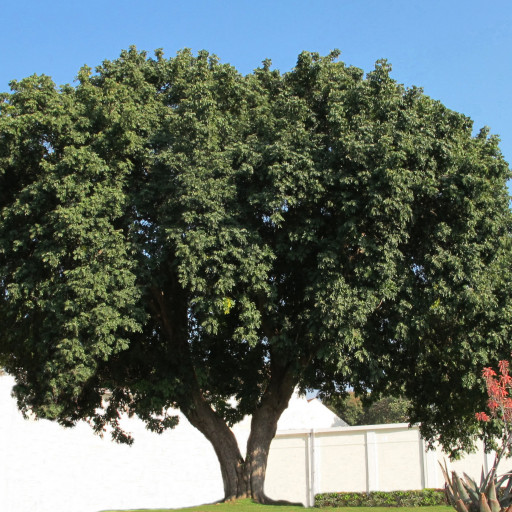
Plant Overview
Known as the Cape Mahogany or Natal Mahogany, this majestic evergreen is a cornerstone of African riverine forests. It earns its scientific name, emetica, from the powerful vomiting effect its bark and seeds can induce if used incorrectly. In its native lands, it is a celebrated "all-rounder"—providing deep shade, traditional medicine, and a rich oil used in high-end cosmetics.
🔍 How to Identify
- 🍃 Lush Canopy: It features dense, glossy, dark-green leaves that are "pinnate" (leaflets arranged like a feather), giving the tree a heavy, luxurious look.
- 🌸 Velvety Blooms: In late spring, it produces small, fragrant, creamy-green flowers that grow in thick clusters, often hidden slightly by the foliage.
- 🍒 Seed "Eyes": The most striking feature is its fruit; brownish capsules split open to reveal black seeds partially covered in a brilliant, waxy red or orange skin (arils), looking like tiny eyes peering from the branches.
🏡 In Your Garden
- 🌳 The Ultimate Shade Tree: Because it grows rapidly and maintains its thick leaves year-round, it is a favorite for large gardens and parks. However, its root system is muscular and thirsty—keep it well away from swimming pools, walls, or underground pipes.
- 🐦 A Bird Buffet: If you are a bird watcher, this tree is a must-have. The oily, nutrient-rich seeds are irresistible to many tropical birds, who will visit your garden daily to feast on the bright red arils.
⚠️ Safety & Toxicity
- 🤢 Emetic Status: High. While the outer red part of the seed is sometimes eaten by local wildlife, the inner seed and bark are toxic and act as a powerful emetic (causing intense vomiting).
- 🐾 Pets & Children: Keep a close watch on curious dogs or toddlers. Ingesting the fallen seeds can lead to severe gastrointestinal distress. The bark should never be used for "home remedies" without professional guidance.
✨ Fun Fact
The seeds are packed with a specialized fat known as Mafura Butter. This butter remains solid at room temperature and has been used for centuries in Africa to heal skin, nourish hair, and even waterproof wooden carvings!

Detailed Care Instructions
| Color | Brown Trunk And Branches With Dark Green Leaves And Green To Cream Flowers |
| Soil Ph | Mildly Acidic, Neutral, Mildly Alkaline |
| Humidity | Normal |
| Lighting | Part Sun |
| Toxicity | Poisonous |
| Soil Type | Moist, Well-Draining, Loamy, Clay, Sandy |
| Bloom Time | Spring To Summer |
| Difficulty | Medium |
| Plant Type | Tree |
| Mature Size | 82 Feet Tall With 50 Foot Spread |
| Native Area | Kwa-Zulu Natal, South Africa |
| Temperature | 21°C - 28°C |
| Sun Exposure | Full Sun To Semi-Shade |
| Hardiness Zones | 10-12 |
To grow a Trichilia Emetica plant, also known as the Natal Mahogany, you can follow these steps:
- Propagation: Obtain seeds from a reputable supplier or collect them from mature fruits. The seeds are usually large, brown, and covered in a hard shell. Soak the seeds in warm water for 24 hours to help soften the shell and improve germination rates.
- Soil and potting: Prepare a well-draining potting mix by combining equal parts of compost, garden soil, and coarse sand. Fill a seed tray or small pots with the mix, leaving some space at the top for watering.
- Planting: Place a seed in each pot or tray, pressing it gently into the soil. Cover the seed lightly with soil, ensuring it is still visible. Water the pots gently to set the soil in place.
- Light and temperature: Trichilia Emetica plants thrive in full sun to partial shade. Place the pots or trays in a warm, sunny spot, preferably with temperatures between 60-80°F (15-27°C).
- Watering: Keep the soil evenly moist but avoid overwatering. Water the pots whenever the top inch of soil feels dry. Do not let the soil dry out completely, as the plant prefers consistent moisture.
- Transplanting: Once the seedlings reach a height of 4-6 inches and have several sets of leaves, they can be transplanted to larger pots or directly into the ground. Choose a planting location with well-draining soil and enough space for the mature tree.
- Fertilization: Apply a balanced, slow-release fertilizer during the growing season to promote healthy growth. Follow the manufacturer's instructions regarding application rates.
- Pruning: Trichilia Emetica can benefit from occasional pruning to maintain its shape and remove any dead or damaged branches. Prune in early spring before new growth begins.
- Pest and disease control: Monitor the plant regularly for pests such as aphids, scale insects, or mealybugs. Treat infestations with appropriate organic or chemical insecticides. Watch out for common diseases like powdery mildew and rust, and address them promptly with suitable fungicides.
- Patience: Trichilia Emetica plants take several years to reach maturity and produce flowers and fruits. Continue caring for the plant with proper watering, fertilization, and monitoring until it reaches its full potential.
Remember to also research specific guidelines for growing Trichilia Emetica in your specific climate and growing conditions, as different regions may have variations in care requirements.

Place in a window with dappled sun or a spot in the middle of a room. Or directly in a window facing west or east.

Trichilia Emetica is a plant that requires a moderate amount of water to grow properly. When watering this plant, it is important to avoid over-watering, as this can lead to root rot and other problems.
To water Trichilia Emetica, you should first determine whether the soil is dry or moist. If the soil is dry to the touch, it is time to water the plant. However, if the soil still feels moist, you should wait a few more days before watering.
When watering Trichilia Emetica, it is best to use a watering can or hose with a gentle spray nozzle. Slowly pour water onto the soil around the base of the plant, taking care not to get water on the leaves or flowers.
You should water Trichilia Emetica deeply, allowing the water to penetrate the soil and reach the roots. However, you should also avoid saturating the soil or allowing water to pool around the base of the plant.
After watering, allow the soil to drain before replacing the plant in its pot or garden bed. This will help prevent water-logging and other moisture-related issues.
To fertilize this plant, apply a slow-release fertilizer with a high nitrogen content during the growing season. Follow package instructions for application rates and frequency. Avoid over-fertilizing, as this can burn the roots and damage the plant. Water the plant thoroughly after fertilizing.
Trichilia Emetica grows best in soil that is well-draining and nutrient-rich. A mix of loamy and sandy soils will provide the ideal environment for the plant to grow. It is recommended to use a soil mix that contains a good amount of organic matter, such as compost or aged manure, to improve the soil's fertility. The pH level of the soil should be between 5.5 and 7.5. It is important to avoid soils that are heavy in clay or prone to waterlogging, as this can lead to root rot and other problems. A layer of mulch can also be added to the soil surface to help retain moisture and suppress weed growth.
Trichilia Emetica can be propagated through seedlings or stem cuttings. To propagate through seedlings, the seeds must first be collected from the mature plant during the fall season. Once obtained, they should be soaked in warm water for 24-48 hours to soften the seed coat. The seeds can then be planted in a mix of well-draining soil and compost in a warm and humid area. The seeds should germinate in 2-4 weeks and can be transplanted to larger pots or the ground after they reach 4-6 inches in height.
To propagate through stem cuttings, select a healthy stem from the mature plant in the spring or early summer. The stem should be approximately 6-8 inches long and cut just below a leaf node. Remove the leaves from the lower half of the stem and dip the cut end in rooting hormone. Plant the stem cutting in well-draining soil and keep the soil moist and warm. The stem cutting should form roots in 4-6 weeks and can be transplanted to a larger pot or the ground after the roots have formed.
Common pests of the natal mahogany include Scale insect, mealybugs, spider mites. Make a habit of checking your natal mahogany frequently for pests so that any infestations can be caught and managed early.








