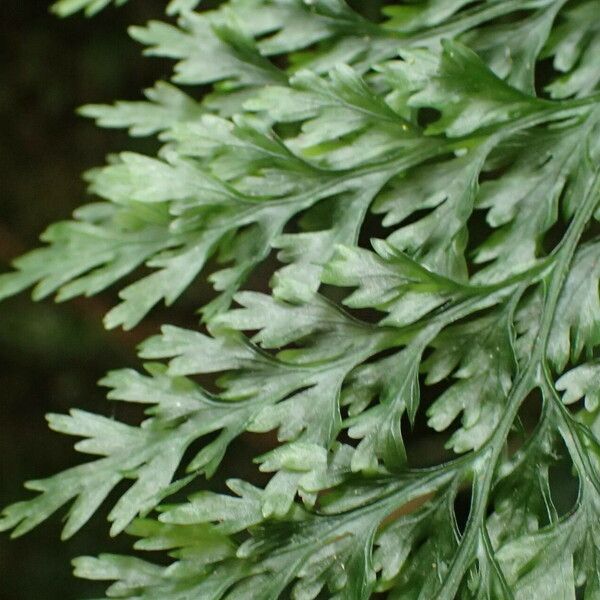
Plant Overview
Known as the Killarney Fern or Bristle Fern, this rare emerald gem is the "ghost" of the dampest European woodlands. Its leaves are so thin they are translucent, creating a shimmering, ethereal effect when caught in a stray beam of light. Historically, it was a prize of Victorian "Fern-Fever," leading it to become one of the most protected and legendary plants in the Atlantic regions.
🔍 How to Identify
- 🌿 The Fronds: Deep green, triangular fronds that are remarkably delicate. They are only one cell thick, making them appear almost like wet seaweed or stained glass.
- 🖋️ The "Bristles": Look closely at the spore cases on the leaf edges; they feature tiny, hair-like bristles (receptacles) that give the plant its secondary common name.
- 🕸️ The Rhizome: Instead of deep roots, it spreads via a creeping, black, wiry stem covered in fine hairs that clings to damp rock faces and cave entrances.
🏡 In Your Garden
- 💧 Extreme Humidity: This is not a typical houseplant. Because its leaves lack a waxy coating to hold in moisture, it requires constant 100% humidity. It is usually only grown by specialists in sealed terrariums or "Wardian cases."
- 🌑 Deep Shade: In the wild, it lives in the "twilight zone" of caves and deep ravines. It hates direct sunlight, which would shrivel its paper-thin leaves in minutes. It prefers to grow on dripping wet rocks rather than in traditional soil.
⚠️ Safety & Toxicity
- ✅ Status: Non-toxic and safe.
- 🛡️ Legal Protection: While safe for pets and children, this plant is critically endangered in many areas. It is strictly protected by law (such as the EU Habitats Directive). Removing it from the wild is illegal and carries heavy fines, as the plant rarely survives relocation.
✨ Fun Fact
During the 19th-century "Pteridomania" (fern craze), plant hunters went to extreme lengths—climbing dangerous cliffs and entering deep caverns—to find the Killarney Fern, nearly driving the species to extinction just to display it in glass cases.

Detailed Care Instructions








