Plant Overview
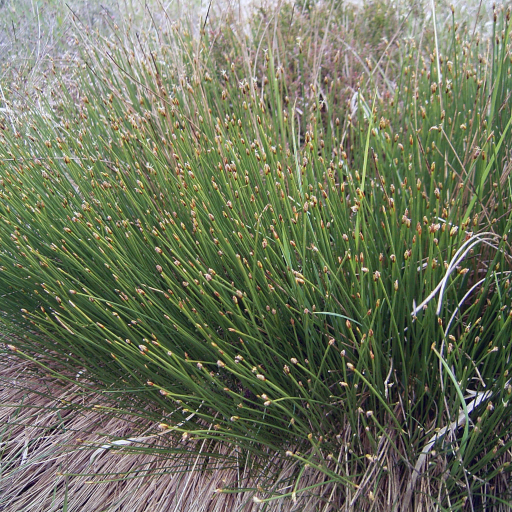
Known as "Deergrass" or the "Tufted Club-rush," Trichophorum cespitosum is the silent architect of the northern moors and high-altitude bogs. Despite its common name, it isn't a true grass but a hardy, perennial sedge that forms dense, mop-like cushions. In the autumn, it provides a spectacular visual treat, transforming green landscapes into a sea of glowing copper and burnt orange.
🔍 How to Identify
- 🌾 The Tussocks: It grows in very tight, firm clumps known as tussocks. These mounds are tough enough to step on (though not recommended for the plant's health!) and feel remarkably solid.
- 🪵 The "Club" Tip: Each wiry, upright stem is topped with a single, small, brown egg-shaped spikelet. This "club" contains the tiny flowers and seeds, giving the plant a minimalist, structural appearance.
- 🍂 Minimalist Leaves: You won’t see broad blades here; the leaves are reduced to simple sheaths at the base of the stems, making the plant look like a collection of stiff, green needles.
🏡 In Your Garden
- 💧 The Bog Specialist: This is the perfect choice for a dedicated bog garden or the saturated edges of a pond. It thrives in acidic, peaty soil where most other plants would suffer from "wet feet" and root rot.
- 🏔️ Extreme Hardiness: Because it originates from alpine and moorland environments, it is incredibly resistant to wind and freezing temperatures. It doesn’t require fertilizer; in fact, it prefers "poor" soil, making it a low-maintenance option for naturalistic landscapes.
⚠️ Safety & Toxicity
- ✅ Safe Status: Trichophorum cespitosum is considered non-toxic to humans, dogs, and cats. It is a natural part of the ecosystem and is frequently grazed by wildlife.
- 🌾 Physical Texture: While not chemically toxic, the stems are very stiff and fibrous. They are not pleasant to chew on and can be quite abrasive if handled roughly, potentially causing minor "grass cuts" on sensitive skin.
✨ Fun Fact
- 🦌 A Highland Lifeline: Its common name "Deergrass" is a tribute to its ecological importance. In the Scottish Highlands, the tender new shoots that emerge in early spring are a vital food source for Red Deer, providing them with essential nutrients after a long, sparse winter.

Detailed Care Instructions
To grow Trichophorum cespitosum, also known as deer's-hair bulrush, follow these steps:
- Location: Choose a suitable location that receives partial sun to full shade. This plant thrives in moist to wet conditions, so consider planting it near a pond, stream, or in a wetland garden. Ensure that the soil is rich in organic matter.
- Soil Preparation: Prepare the soil by removing any weeds or grass and then loosen it to allow for good drainage. Add organic matter such as compost or well-rotted manure to improve soil fertility.
- Planting: Trichophorum cespitosum can be grown from seeds or divisions. If planting from seeds, sow them directly in the prepared soil at a depth of about 1/4 inch. Water the area regularly, ensuring the soil stays moist until germination occurs.
- Watering: Keep the soil consistently moist throughout the growing season. Water the plants regularly, especially during dry periods. However, avoid waterlogging the soil, as excessive moisture can lead to root rot.
- Mulching: Apply a layer of organic mulch, such as wood chips or straw, around the plants to help retain moisture and suppress weed growth. This also helps to maintain a more stable soil temperature.
- Pruning: Trichophorum cespitosum requires minimal pruning. Remove any dead or damaged stems in early spring to encourage healthy growth. Regularly monitor for any pests or diseases and take appropriate measures if necessary.
- Fertilizing: Generally, Trichophorum cespitosum does not require additional fertilizers if the soil is already rich in organic matter. However, if growth seems stunted or the plant appears pale, you can apply a slow-release, balanced fertilizer according to the manufacturer's instructions.
- Overwintering: This plant is cold hardy and can survive winter temperatures. However, in colder regions, it is beneficial to mulch the area around the plant to protect the roots from freezing.
Remember to check the specific requirements and recommendations for growing Trichophorum cespitosum in your region, as they may vary based on climate and soil conditions.

Place in a bright room that is sun drenched almost all day. Or directly in a south-facing window.

Trichophorum cespitosum is a perennial plant that belongs to the Cyperaceae family. It is native to wetland habitats and has unique characteristics that allow it to thrive in damp conditions. To properly water Trichophorum cespitosum, you need to consider its specific watering needs, which are crucial for its growth and survival. Here are some detailed instructions on how to water Trichophorum cespitosum:
1. Evaluate soil moisture: Before watering, check the soil moisture level. Stick your finger about 2-3 inches into the soil near the plant's roots. If the soil feels dry, it indicates that watering is required. Trichophorum cespitosum prefers consistently moist soil, but it should not be overly waterlogged.
2. Watering frequency: Depending on your climate and soil conditions, Trichophorum cespitosum may require watering every 3 to 7 days. However, keep in mind that it is essential to monitor the soil moisture rather than sticking to a fixed schedule. Overwatering can lead to root rot, while underwatering can hinder its growth.
3. Watering technique: To ensure proper hydration, use a gentle watering technique such as a watering can or a hose with a soft spray nozzle. Direct the water towards the base of the plant, aiming for the soil rather than the leaves. This will help the water penetrate deeply into the root zone.
4. Deep watering: When watering Trichophorum cespitosum, it is crucial to provide a deep soak to encourage root growth. Slowly pour water onto the soil, allowing it to penetrate 4-6 inches below the surface. This will help establish a robust root system, which is essential for the plant's overall health.
5. Mulching: Applying a layer of organic mulch around the base of Trichophorum cespitosum can help retain moisture in the soil and reduce evaporation. Mulching also protects the plant's roots from temperature extremes and helps inhibit weed growth. Use a thickness of about 2-3 inches and keep it a few inches away from the plant's stems to prevent rotting.
6. Proper drainage: Trichophorum cespitosum grows best in moist soil but also requires good drainage. Ensure that the planting site allows excess water to drain away effectively, as standing water can cause root problems. Prepare the soil by incorporating organic matter, such as compost or peat moss, to improve its drainage capabilities.
7. Rainwater utilization: If possible, utilize collected rainwater for watering Trichophorum cespitosum. Rainwater is typically free from added chemicals such as chlorine or fluoride found in tap water. It can be beneficial for the plant's overall health and reduce water consumption.
Remember, each plant has specific water requirements, and the instructions mentioned here are for Trichophorum cespitosum. Understanding its unique needs and regularly monitoring soil moisture will help ensure the plant receives adequate hydration for optimal growth and vigor.
- Start by picking a well-draining pot or container for your Trichophorum Cespitosum plant.
- Fill the pot with a suitable potting mix, ideally one that is rich in organic matter.
- After planting your Trichophorum Cespitosum, allow it to settle for a week or so to establish its root system.
- Begin fertilizing your Trichophorum Cespitosum plant in early spring, around the beginning of the growing season.
- Use a balanced, water-soluble fertilizer formulated for ornamental grasses. Make sure to follow the instructions on the fertilizer packaging for dosage and application methods.
- Apply the fertilizer evenly around the base of the plant, avoiding direct contact with the foliage.
- Water your Trichophorum Cespitosum plant thoroughly after fertilizing to ensure proper nutrient absorption.
- Repeat the fertilization process every 4-6 weeks throughout the growing season, i.e., from spring to early fall.
- Decrease the frequency of fertilization towards the end of the season to allow the plant to prepare for dormancy.
- During winter or dormancy, suspend fertilizing your Trichophorum Cespitosum until the next growing season.
- Regularly monitor the health of your plant and adjust the fertilization routine if necessary based on its growth and overall appearance.
Trichophorum cespitosum, commonly known as **, prefers a specific type of soil for optimal growth. The ideal soil for this plant is well-draining and fertile, providing a good balance of moisture retention and proper aeration. It thrives in slightly acidic to neutral soil with a pH range of 5.5 to 7.5.
To create a suitable soil environment for **, it is recommended to combine equal parts of organic matter, such as compost or well-rotted manure, and sandy loam or loamy soil. This mixture helps to improve soil structure, moisture holding capacity, and nutrient availability.
Using organic matter in the soil mix helps promote healthy root development and enhances overall plant growth. It aids in moisture retention, preventing the soil from drying out quickly, while also improving drainage, preventing waterlogging and root rot.
Sandy loam or loamy soil provides good aeration and prevents compaction, allowing the roots to breathe and grow more efficiently. This type of soil also facilitates nutrient uptake by the roots and reduces the risk of water stagnation in the soil.
Avoid using heavy clay soil, as it tends to retain excessive moisture and can lead to root rot or fungal diseases. Additionally, soils with poor drainage should be amended by adding sand or perlite to improve aeration.
Lastly, it is essential to regularly monitor the soil moisture levels by checking the moisture level at the depth of the roots. Proper watering practices should be followed to ensure the soil remains moist but not overly saturated.
By using the suggested soil composition and maintaining appropriate watering practices, you can create an ideal growing environment for Trichophorum cespitosum, allowing it to thrive and flourish.
Trichophorum cespitosum is a perennial plant species that can be propagated through various methods such as division, seed propagation, and tissue culture. Here is a detailed explanation of each propagation method:
- Division:
- Identify a mature Trichophorum cespitosum plant that has developed a healthy clump of shoots.
- During the plant's active growth period, which is typically in spring or early fall, carefully dig up the plant.
- Gently separate the clumps into smaller sections, ensuring that each division has enough roots and shoots to grow independently.
- Replant the divided sections in individual containers or directly into prepared garden soil. Make sure to maintain adequate moisture and provide suitable light conditions for growth.
- Seed propagation:
- Collect mature seeds from the Trichophorum cespitosum plant. Seeds are usually formed in the plant's flowering heads.
- Prepare a suitable seed-starting medium, such as a mixture of peat moss and perlite.
- Sow the seeds on the surface of the medium and press them lightly to ensure contact.
- Moisten the medium and cover the container with a plastic bag or a propagator lid to create a humid environment.
- Place the container in a warm location with indirect light. Maintain consistent moisture levels by misting when needed.
- Germination may take several weeks to months. Once the seedlings have developed a few true leaves, they can be transplanted into individual pots or a prepared garden bed.
- Tissue culture:
- Collect a small section of plant tissue, such as a stem node or leaf from a healthy Trichophorum cespitosum plant.
- Sterilize the plant tissue by washing it in a mild bleach solution or using a sterilizing agent recommended for plant tissue culture.
- Transfer the sterilized tissue to a sterile growth medium, such as agar gel or a suitable nutrient solution.
- Place the tissue culture containers in a controlled environment with appropriate temperature and light conditions.
- Regularly monitor and maintain suitable moisture levels in the containers.
- Over time, the tissue culture will form new shoots. Once these shoots reach a sufficient size, they can be transplanted into individual containers or prepared garden soil.
Remember, regardless of the propagation method chosen, it is important to provide adequate care, such as providing suitable light, temperature, and moisture conditions, to ensure successful establishment and growth of the propagated Trichophorum cespitosum plants.








