Plant Overview
Known widely in South Asia as Parwal or the Pointed Gourd, Trichosanthes dioica is often called the "King of Gourds" due to its incredible shelf life and nutritional profile. Unlike many other gourds that grow on annual vines, this is a hardy perennial that thrives in the sweltering heat of the monsoon season. It has been a staple in Ayurvedic medicine for centuries, prized for its ability to aid digestion and purify the blood.
🔍 How to Identify
- 🌿 The Foliage: Heart-shaped (cordate) leaves that are dark green and feel slightly rough or "scabrous" to the touch.
- ❄️ The Fringed Flower: Stunning, star-shaped white blossoms that feature delicate, hair-like fringes along the edges of the petals, looking almost like snowflakes.
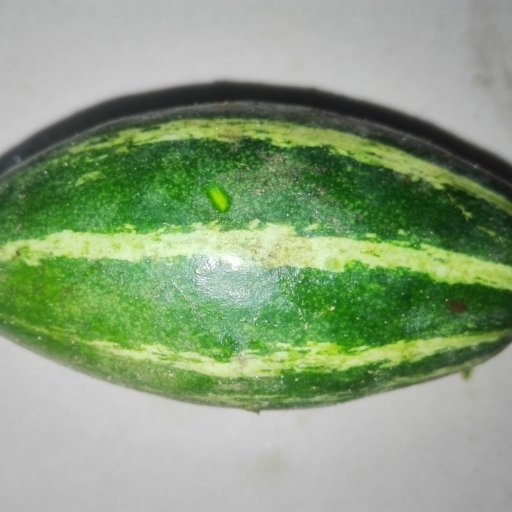
- 🥒 The Fruit: Small, oblong gourds (5–15 cm) that are bright green, often marked with subtle white longitudinal stripes and a tapering, pointed end.
🏡 In Your Garden
- 🐝 The Duo Dynamic: This plant is "dioecious," meaning individual plants are either male or female. To get any fruit, you must plant both near each other so pollinators can move pollen from the male flowers to the female ones.
- 💧 Drainage is Key: While it loves the humidity of summer, it has a sensitive taproot system that hates "wet feet." It performs best in sandy loam soil where water can move freely away from the roots.
⚠️ Safety & Toxicity
- 🍽️ Edible Status: Fully edible and highly nutritious for humans when cooked. It is a rich source of vitamins A and C.
- 👅 The Bitter Rule: Like many members of the cucumber family, if a fruit tastes intensely bitter, discard it immediately. This bitterness is caused by cucurbitacins, which can cause stomach upset if consumed in high quantities.
- 🐾 Pets: It is generally considered non-toxic to cats and dogs, though the fibrous vines are not meant for their consumption.
✨ Fun Fact
The genus name Trichosanthes literally translates from Greek as "hair flower." If you look closely at the blossoms at night (when they often bloom), the intricate, lace-like fringes are designed to be highly visible to nocturnal moths that act as the plant's primary pollinators!

Detailed Care Instructions
To grow Trichosanthes Dioica, also known as pointed gourd or parval, follow these steps:
- Climate and soil: Trichosanthes Dioica prefers warm and tropical climates. It grows best in well-drained soil with a pH level between 6.0 and 7.5. The soil should be fertile and rich in organic matter.
- Seed selection and germination: Obtain good quality seeds from a reliable source. Soak the seeds in water overnight before sowing to enhance germination rates. For planting, choose a location with full sunlight exposure.
- Sowing: Sow the seeds directly in the prepared soil once the danger of frost has passed. Dig small holes approximately 1-2 inches deep and space them about 2-3 feet apart. Place 2-3 seeds in each hole and cover them with soil. Water the soil gently.
- Watering: Trichosanthes Dioica requires regular watering to keep the soil consistently moist. However, avoid overwatering as it can lead to root rot. Watering should be done early in the morning or late in the evening to prevent loss of moisture due to evaporation.
- Support: As the plant grows, it needs support to climb. Install trellises or stakes near the plants to provide support for the vines. The vines of Trichosanthes Dioica can grow up to 10-15 feet long.
- Fertilization: Apply organic fertilizer or compost once every 2-3 weeks to provide essential nutrients. This will promote healthy growth and fruiting of the plant.
- Pest and disease control: Monitor the plant regularly for any signs of pests, such as aphids or whiteflies, and diseases like powdery mildew or leaf spot. Use organic pest control methods or consult a gardening expert for appropriate measures.
- Harvesting: The fruits of Trichosanthes Dioica are ready for harvest approximately 60-80 days after sowing. They should be harvested when they are young and tender for optimal taste. The fruits can be stored in a cool, dry place for a few weeks.
By following these steps, you can successfully grow Trichosanthes Dioica plants and enjoy their nutritious and delicious fruits.
Trichosanthes Dioica is a plant that requires regular and adequate watering in order to thrive. The best way to water this plant is to provide it with a consistent moisture level throughout the growing season. This can be achieved by watering the plant deeply once or twice per week, depending on the weather conditions and the soil type.
To water the plant, you should use a watering can, hose, or drip irrigation system. It's important to water the plant at the base, near the soil, and avoid getting water on the leaves or flowers, as this can lead to fungal diseases and other problems.
The water should be given slowly to allow it to penetrate deeply into the soil and reach the root system. The soil should be kept moist, but not waterlogged, as too much moisture can cause the roots to rot.
During periods of drought, you should increase the frequency of watering, but be mindful not to overwater the plant. Similarly, during periods of heavy rain, you may need to reduce the amount of water you give the plant to prevent waterlogging.
In general, Trichosanthes Dioica requires moderate to high amounts of water, but it's important to adjust the watering frequency and amount based on the plant's needs and environmental conditions.
To fertilize this plant, use a balanced fertilizer with equal ratios of nitrogen, phosphorus, and potassium. Apply the fertilizer at the base of the plant and water it thoroughly afterward. Fertilize every two to three weeks during the growing season, reducing the frequency to once a month during dormancy. Avoid over-fertilizing as it can lead to the burning of the plant's roots.
The ideal soil for this plant should be well-draining with a pH range of 6.0 to 7.5. It should be loose and fertile with a good amount of organic matter. The soil should also be able to hold moisture while still allowing excess water to drain away from the roots. Additionally, it is recommended to add some compost or well-rotted manure to the soil before planting to improve soil structure and provide essential nutrients to the plant.
To propagate this plant, gather seeds from mature fruits once they have ripened and turned brown. Alternatively, take stem cuttings from the main stem or lateral branches of the plant. Strip off the lower leaves and dip the bottom end of the cutting into rooting hormone powder. Plant the cutting in a pot filled with well-draining soil and water regularly. Keep the pot in a warm, partially shaded area until the cutting has rooted and starts to grow new leaves. Transplant the rooted cutting to a permanent location in the garden once it has grown to a suitable size.








