Plant Overview
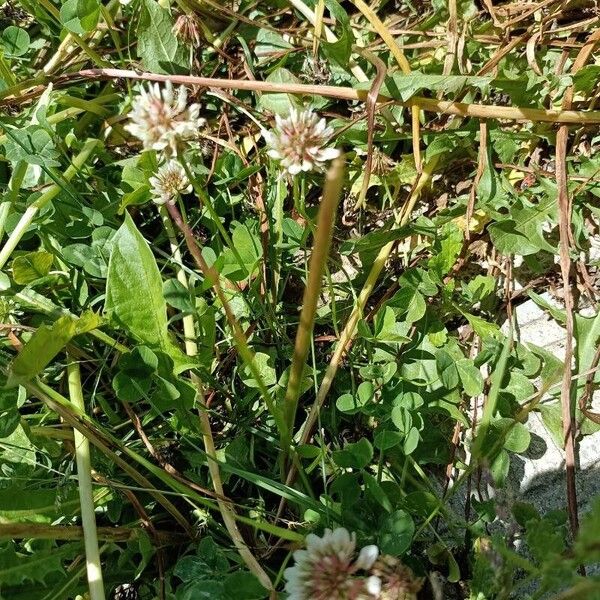
Known as the Orbelian Clover, this high-altitude beauty is a true survivor of the Balkan peaks. Unlike the common white clovers you might find in a suburban lawn, this species is a rugged alpine specialist that calls the rocky slopes of Bulgaria, Greece, and North Macedonia its home. It is a symbol of the untamed mountain meadows, where it thrives in thin air and harsh, snowy winters.
🔍 How to Identify
- ☘️ The Foliage: Small, oval leaflets arranged in the classic "trifoliate" clover pattern. They often have a slightly thickened, waxy texture to help retain moisture in windy environments.
- 🌸 The Bloom: Dense, globe-shaped flower heads that sit atop short stems. The petals typically range from a delicate creamy white to a soft, dusty rose or purple.
- 🏔️ The Stature: A low-profile, mat-forming perennial. It stays close to the earth, creating a "cushion" effect to protect itself from freezing mountain gusts.
🏡 In Your Garden
- 🪨 Rock Garden Specialist: This plant is perfect for "alpine troughs" or rockeries. It requires exceptionally sharp drainage; it hates having "wet feet" (soggy soil), which can cause the roots to rot quickly.
- ❄️ Climate Needs: It is incredibly frost-hardy but sensitive to high humidity and extreme summer heat. It thrives best in regions that experience a true winter "reset" period.
⚠️ Safety & Toxicity
- ✅ Generally Safe: Like most members of the Trifolium genus, it is considered non-toxic to humans and common household pets.
- 🐾 Pet Note: While it isn't poisonous, grazing on large amounts of any clover can sometimes cause mild stomach upset in dogs or cats due to the high fiber content.
✨ Fun Fact
The species name orbelicum comes from "Orbelos," the ancient Greek name for the Belasica mountain range. This plant is a "relict" species, meaning it is a survivor from an earlier geological age that has remained tucked away in its specific mountain sanctuary.

Detailed Care Instructions







