Plant Overview
Known as the Chinese Horse Gentian, this architectural perennial is a hidden gem of the woodland floor. Native to the mountain forests of China, it earned the nickname "Wild Coffee" because early settlers once roasted its seeds as a caffeine-free substitute. With its deeply lobed foliage and ghostly white berries, it brings a prehistoric, mystical vibe to any shaded corner of the garden.
🔍 How to Identify
- 🌿 The Foliage: Unlike its cousins, this species features "pinnatifid" leaves, meaning they are deeply cut into dramatic lobes, resembling a ruffled sleeve. The entire plant is covered in fine, bristly hairs.
- 🔔 The Flowers: In late spring, look closely at the "axils" (where the leaf meets the stem). You will find small, discreet, bell-shaped flowers in shades of dull purple or greenish-yellow.
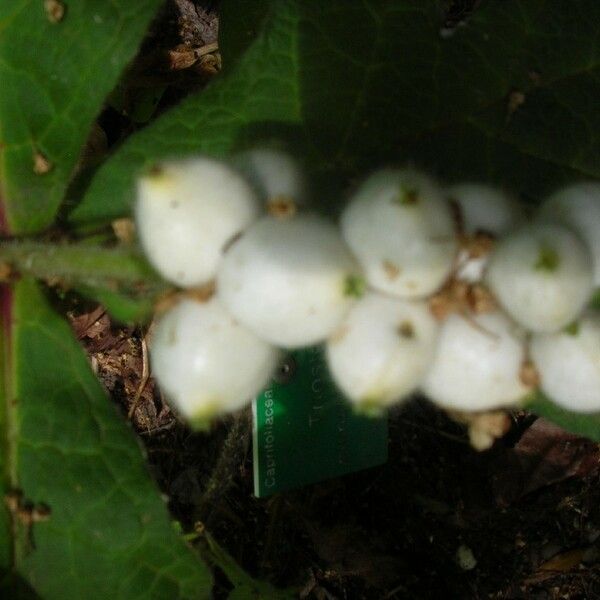
- ⚪ The Berries: Its most striking feature arrives in late summer—clusters of stark, waxy white berries that hug the stem tightly, creating a beautiful contrast against the green leaves.
🏡 In Your Garden
- 🌱 Woodland Soul: This plant thrives in "bright shade," mimicking its native forest home. It loves soil rich in leaf mold and organic matter; if the soil dries out too much, the large leaves will quickly wilt.
- ⏳ Patience is Key: The Chinese Horse Gentian is often a "late riser" in the spring. Don't be tempted to dig up the spot thinking it has died; it simply waits for the soil to truly warm up before sending up its hairy, architectural shoots.
⚠️ Safety & Toxicity
- 🚫 Status: Generally considered non-consumable and potentially irritating.
- 🐾 Details: While not typically listed as "deadly," the berries can cause stomach upset if ingested by curious pets or children. The bristly hairs on the stems may also cause mild skin irritation for those with sensitive skin, so wearing gloves during pruning is a smart move.
✨ Fun Fact
The genus name Triosteum literally translates to "three stones," referring to the three hard, bony seeds found tucked inside every single berry!

Detailed Care Instructions

Place in a window with dappled sun or a spot in the middle of a room. Or directly in a window facing west or east.

To water this plant, you should first check the soil for moisture by sticking your finger into the soil up to the second knuckle. If it feels dry, it is time to water. Use a watering can or hose to thoroughly water the soil around the base of the plant, taking care not to get water on the foliage. Water deeply, but allow the soil to dry out slightly between waterings to prevent overwatering. Monitor the plant for signs of underwatering or overwatering, such as wilted leaves or yellowing leaves respectively. Adjust watering frequency as needed based on the plant's individual needs and environmental conditions.








