Plant Overview
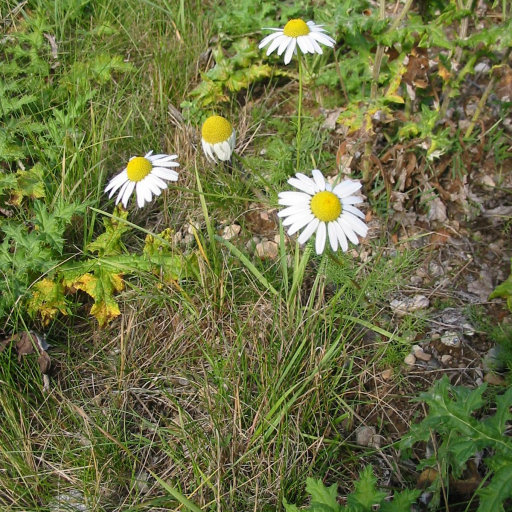
Often called "Scentless Mayweed" or "False Chamomile," this plant is a master of disguise in the botanical world. It looks almost identical to the chamomile used for tea, but it plays a trick on your senses—it lacks that iconic, sweet apple aroma. It is a hardy, cheerful survivor frequently found dancing along roadsides or brightening up neglected garden corners with its classic daisy-like faces.
🔍 How to Identify
- 🌼 The Flowers: Classic daisy-style blooms with 10–20 white outer petals surrounding a bright, golden-yellow central disc that becomes more dome-shaped as it matures.
- 🌿 The Foliage: Delicate, feathery, and thread-like green leaves that resemble dill or fennel, giving the plant a soft, misty appearance from a distance.
- 👃 The Sniff Test: The most reliable way to identify it is to crush a flower head; unlike true Chamomile or Stinking Mayweed, this species has no distinct smell.
🏡 In Your Garden
- 🌱 The Opportunist: This plant thrives in "disturbed" soil. If you’ve recently tilled a bed or have a patch of bare earth, Scentless Mayweed will likely be the first to move in. It loves heavy clay and moist soil that other plants find suffocating.
- 🐝 Pollinator Magnet: While farmers may view it as a stubborn weed in grain fields, it is a fantastic source of nectar for hoverflies and small solitary bees, making it a decent addition to a wild, "no-mow" area.
⚠️ Safety & Toxicity
- 🚫 Not for Tea: Unlike German Chamomile, this plant has no medicinal value. You should never harvest it for consumption, as it lacks the beneficial oils and can be bitter.
- 🐾 Skin Sensitivity: It is generally non-toxic to pets and humans, but like many members of the Aster family, it can cause mild skin irritation or "hay fever" symptoms in those with specific plant allergies.
✨ Fun Fact
The genus name Tripleurospermum comes from the Greek words for "three-ribbed seed." If you were to look at its tiny seeds under a magnifying glass, you would see three distinct ribs that help the seeds survive in the soil for years, waiting for the perfect moment to sprout!

Detailed Care Instructions
To grow Tripleurospermum Inodorum (also known as scentless false mayweed or German chamomile), follow these steps:
- Choose the right location: Tripleurospermum Inodorum prefers full sun to partial shade. Select a well-draining location with moderately fertile soil.
- Prepare the soil: Remove any weeds or debris from the planting area. Loosen the soil with a garden fork or tiller to a depth of about 6-8 inches. Mix in some compost or well-rotted manure to improve soil fertility.
- Start seeds indoors (optional): Tripleurospermum Inodorum can be started from seeds indoors about 4-6 weeks before the last frost date. Fill seed trays or pots with seed-starting mix and sow the seeds on the surface. Lightly press the seeds into the soil but do not cover them, as they need light to germinate. Keep the soil consistently moist and provide bottom heat if possible. Transplant the seedlings outdoors after the danger of frost has passed.
- Direct sow seeds outdoors: If you prefer, you can also sow the seeds directly into the garden bed once the soil has warmed up in spring. Scatter the seeds over the prepared soil, press them gently into the soil, and then lightly cover them with a thin layer of soil.
- Watering: Keep the soil consistently moist but not waterlogged. Water deeply when the top inch of soil feels dry. Avoid overhead watering, as it can lead to fungal diseases.
- Thin the seedlings: If you have sown the seeds densely, it may be necessary to thin the seedlings once they reach about 2-3 inches in height. Space them about 8-12 inches apart to provide adequate airflow and room for growth.
- Mulch: Apply a layer of organic mulch, such as straw or wood chips, around the plants to help conserve moisture, suppress weed growth, and maintain more consistent soil temperature.
- Fertilizer: Tripleurospermum Inodorum doesn't require heavy fertilization. However, you can apply a balanced slow-release fertilizer or organic compost in early spring to provide nutrients for healthy growth.
- Pests and diseases: This plant is generally resistant to pests and diseases. However, occasionally it can be affected by aphids or powdery mildew. Monitor the plant regularly and take appropriate measures, such as spraying with insecticidal soap or treating with a fungicide, if necessary.
- Harvesting: Harvest the flowers when they are fully open but before they start to fade. Cut the stems just above the foliage. Use the fresh flowers immediately or dry them to use later in herbal teas or other preparations.
With proper care, Tripleurospermum Inodorum should grow well and produce an abundance of flowers throughout the growing season.

Place in a bright room that is sun drenched almost all day. Or directly in a south-facing window.

Tripleurospermum Inodorum plant requires regular watering to keep its soil moist. However, it is essential not to overwater the plant as it can lead to root-rot and other diseases. The best time to water the plant is in the morning or late evening as it allows the water to get absorbed properly in the soil. During hot weather conditions, the plant may need watering twice a day. It is important to ensure that the soil is adequately draining, and water does not accumulate or remain stagnant for extended periods. It is recommended to use a watering can or a gentle hosepipe to avoid washing away the soil. Additionally, the plant prefers slightly acidic soil; therefore, using rainwater or distilled water is better than tap water.
To fertilize this plant, apply a balanced fertilizer with equal amounts of nitrogen, phosphorus, and potassium in early spring, just before the plant begins active growth. Apply again in mid-summer to promote healthy growth and flower production. Use a slow-release fertilizer to prevent over-fertilization and root burn. Water the plant before and after fertilization to avoid fertilizer burn. Follow the manufacturer's instructions for application rates and frequency.
The ideal soil for the Tripleurospermum Inodorum plant should be well-drained and slightly alkaline. It should have a pH level of 7 to 8. The soil should also be rich in organic matter and able to retain moisture without becoming waterlogged. The plant prefers loamy soils that are well-aerated and have good fertility. It can tolerate some drought but does not like waterlogged soils. The soil should be prepared by digging up the area, removing weeds and adding compost or other organic matter before planting the Tripleurospermum Inodorum plant.
To propagate this plant, you will need to collect seeds from mature plants in the late summer or fall. The seeds should be sown in well-draining soil in the spring, either directly in the garden or in small pots indoors. Keep the soil evenly moist and provide bright, indirect light. The seedlings should emerge within a few weeks and can be transplanted once they have developed several sets of true leaves. Ensure they get enough water and nutrients, and watch for signs of pests or disease. With proper care, your seedlings should grow into healthy, mature plants that can be used to propagate more plants in the future.








