Plant Overview
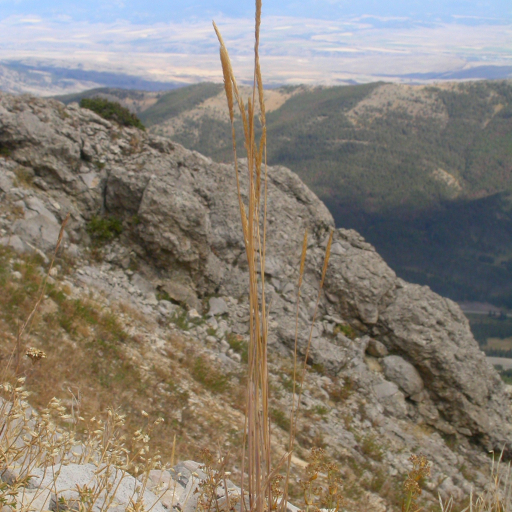
Known as the Spike Trisetum or Narrow False Oat, this resilient grass is a true survivor of the world’s harshest environments. From the wind-battered peaks of the Alps to the icy tundra of the Arctic, it stands tall where other plants falter. It is a staple of high-altitude landscapes, often shimmering with a metallic purplish or bronze hue under the thin mountain air.
🔍 How to Identify
- 🌾 The Seed Head: Its most defining feature is a tight, dense, spike-like flower cluster (panicle) that looks like a fuzzy green or purple cylinder, typically 1 to 4 inches long.
- 🍃 The Foliage: The leaves are narrow, flat blades that are often covered in fine, soft hairs, giving the plant a slightly velvety feel.
- 📏 Growth Habit: It grows in tidy, compact tufts or "bunches." Unlike lawn grass that spreads via runners, this plant stays in a neat, upright clump.
🏡 In Your Garden
- 🏔️ Alpine Specialist: This plant is an excellent choice for rock gardens or high-altitude landscaping. It thrives in poor, gravelly soil where more delicate ornamental grasses might wither.
- 💧 Drainage is Vital: Because it is adapted to mountain slopes and rocky crevices, it cannot tolerate "wet feet." It requires extremely sharp drainage to prevent the crown from rotting during winter.
- 🌬️ Wind Resistance: Its low-profile, tufted shape makes it incredibly resistant to high winds, making it a functional choice for exposed balconies or coastal gardens in cold climates.
⚠️ Safety & Toxicity
- ✅ Safe Status: Spike Trisetum is non-toxic and generally considered safe for humans, dogs, and cats.
- 🦌 Natural Forage: In the wild, it serves as an important food source for mountain goats, bighorn sheep, and elk, proving its palatability and safety for herbivores.
✨ Fun Fact
🌍 The Global Traveler: Trisetum spicatum is one of the few plants in the world with a "bipolar" distribution. This means it is native to both the Arctic and the Antarctic regions, having "jumped" across the equator by following the high, cold peaks of the Andes mountain range!

Detailed Care Instructions
To grow Trisetum spicatum, also known as spike trisetum, you can follow these steps:
- Climate and location: Spike trisetum is native to alpine and subalpine regions, so it prefers cool climates with well-drained soil. Choose a location in your garden that receives full or partial sun.
- Soil preparation: This plant prefers acidic to neutral soil. Prepare the soil by loosening it with a garden fork or tiller. Remove any weeds or rocks, and amend the soil with organic matter, such as compost or well-rotted manure, to improve its fertility and drainage.
- Sowing seeds: Spike trisetum can be propagated through seeds. Sow the seeds directly into the prepared soil during the spring or early summer when the soil temperature reaches around 50°F (10°C). Broadcast the seeds evenly over the prepared area and lightly rake them into the soil. Alternatively, you can start the seeds indoors 4-6 weeks before the last frost date and transplant them later.
- Watering: Spike trisetum requires regular watering to keep the soil moist, especially during dry periods. However, make sure not to overwater, as excessive moisture can cause root rot. Provide enough water to keep the soil evenly moist but not waterlogged.
- Fertilization: Trisetum spicatum does not typically require much fertilizer. If your soil is lacking in nutrients, you can apply a balanced, slow-release fertilizer according to the manufacturer's instructions. Avoid using excessive amounts of nitrogen as it can promote excessive leaf growth at the expense of flower production.
- Maintenance: Once the plants are established, they generally require minimal maintenance. Remove any weeds that compete for nutrients or water. You may also want to mulch around the base of the plants to conserve moisture and suppress weed growth.
- Pruning and division: To maintain a neat appearance and encourage healthy growth, you can trim back the spike trisetum plant after flowering. Divide overcrowded clumps every few years in early spring or fall to rejuvenate the plant and maintain its vigor.
Remember to consult local nurseries or gardening experts for specific recommendations based on your region's climate and conditions.

Place in a bright room that is sun drenched almost all day. Or directly in a south-facing window.

Trisetum Spicatum is a type of plant that requires regular watering to maintain optimal health and growth. When watering this plant, it is important to avoid getting water on the leaves or flowers, as this can cause leaf spot or other types of fungal diseases.
To water Trisetum Spicatum, first, check the soil moisture level by sticking your finger about an inch deep into the soil. If it feels dry, it is time to water the plant. Use a watering can or hose with a gentle nozzle to water the soil around the base of the plant, making sure to soak the entire root system evenly.
Water the plant deeply, providing enough water to wet the soil to a depth of at least six inches. Allow the soil to drain thoroughly after watering, as Trisetum Spicatum does not do well in boggy conditions.
It is recommended to water Trisetum Spicatum once a week or as needed, depending on the climate and level of rainfall in your area. During periods of high heat or drought, you may need to water more frequently to prevent the plant from becoming stressed and wilted.
Overall, watering Trisetum Spicatum is a simple but important part of caring for this plant, helping it to thrive and grow for years to come.
To fertilize this plant, apply a balanced fertilizer with equal amounts of nitrogen, phosphorus, and potassium in early spring before new growth appears. Apply a second application in early summer, using a fertilizer high in nitrogen to promote foliage growth. Do not fertilize in late summer or fall, as it may stimulate new growth that won't have enough time to harden off before winter. Follow the instructions on the fertilizer package for application rates and timing. Always water the plant well before and after applying fertilizer to prevent burning the roots.
When growing the plant Trisetum Spicatum, it is important to use a well-draining soil that is moisture-retentive. A mix of loam, sand, and peat moss is ideal, with a slightly acidic pH level between 5.5 and 6.5. The soil should be rich in organic matter and high in nutrients, such as nitrogen, phosphorus, and potassium. It is also important to avoid using a soil that is compacted or has a heavy clay content, as this can hinder root development and water absorption. Finally, the soil should be kept consistently moist but not waterlogged, as the plant prefers a damp environment but can suffer from root rot if the soil stays too wet for too long.
Trisetum spicatum can be propagated through seed collection or vegetative propagation. Seed collection can be done by harvesting the seed heads once they have turned brown and storing them in a cool, dry place until they are ready for planting.
Vegetative propagation can be done through division or cuttings. Division involves separating the plant into smaller clumps and planting them separately. Cuttings can be taken from the stems of healthy plants and rooted in a soilless mix.
Once the seeds or cuttings are planted, they should be kept moist and in a sunny location until they have sufficiently established. After establishment, Trisetum spicatum should be watered regularly and fertilized every few months to promote growth.








