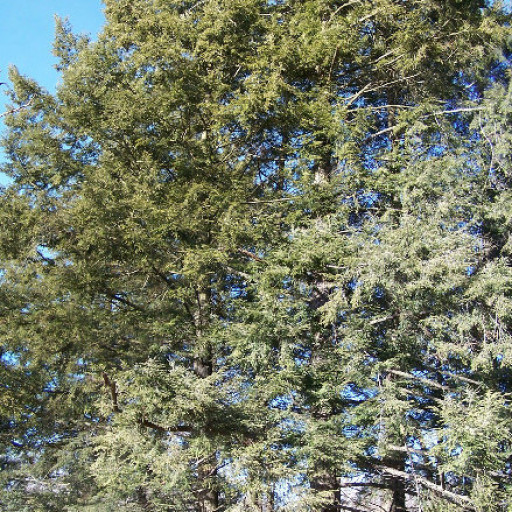
Plant Overview
Often called the "Queen of the Conifers," the Eastern Hemlock is a graceful giant known for its delicate, lacy foliage and weeping branches. Unlike the stiff, symmetrical look of many evergreens, this tree has a soft, flowing silhouette that brings a sense of ancient forest peace to any landscape. While it shares a name with a famous poison, this tree is a gentle provider of shelter for forest wildlife and a favorite for shaded gardens.
🔍 How to Identify
- 🌲 The "Nodding" Tip: One of the easiest ways to spot a Hemlock is by its "leader" (the very top branch), which almost always droops or "nods" to one side rather than pointing straight up.
- 🌿 Two-Toned Needles: The needles are flat and short. If you flip them over, you’ll see two distinct, bright white stripes (stomatal bands) that look like tiny racing stripes against the dark green.
- 🧺 Miniature Cones: It produces some of the smallest cones of any evergreen, rarely reaching more than an inch long. They hang delicately from the tips of the twigs like tiny wooden bells.
🏡 In Your Garden
- ☁️ The Shade Champion: Most conifers crave blistering sun, but the Eastern Hemlock is a rare exception that thrives in full shade. It is the perfect solution for creating a "green wall" or privacy screen in the darker corners of your yard.
- 💧 Cool Feet Only: This tree is sensitive to heat and drought. It prefers "cool feet"—meaning soil that stays consistently moist and mulched. It dislikes salt spray and urban pollution, so it’s best suited for quiet backyard retreats rather than busy roadsides.
⚠️ Safety & Toxicity
- ✅ Perfectly Safe: There is often confusion because of its name, but Tsuga canadensis is not poisonous. It is entirely safe for children, dogs, and cats.
- 🍵 Edible History: Indigenous peoples and early settlers actually used the inner bark and needles to make teas and salves. It is high in Vitamin C and completely unrelated to the toxic "Poison Hemlock" herb.
✨ Fun Fact
The Eastern Hemlock can be an "eternal" companion; some specimens in the Appalachian mountains have been dated at over 800 years old! Because it grows so slowly in the shade, a sapling only a few feet tall might already be 50 years old, waiting patiently for a gap in the canopy to reach for the sky.

Detailed Care Instructions
The poisonous hemlocks are Conium maculatum and Circuta maculata, which are herbaceous flowering plants. They are not in any way related to the non-toxic Canadian or eastern hemlock tree.
Can you keep a Canadian hemlock small?
It can be pruned as a hedge, in late winter or early spring before new growth starts, and again in mid-June. Do not prune it after August because it triggers new growth late in the season, which is vulnerable to cold injury in the winter.
Can hemlock survive woolly adelgid?
Some trees are killed by the pest within a few years while others seem to be resistant and survive the attacks. A hybrid hemlock that is not vulnerable to the pest has been developed.
| Color | Small, Non-Ornamental, Yellow To Light Green |
| Soil Ph | Acidic |
| Soil Type | Rich And Moist |
| Bloom Time | Spring |
| Plant Type | Evergreen Conifer |
| Mature Size | Can Reach More Than 80 Feet Tall With A Spread Of 25 To 30 Feet |
| Native Area | Eastern North America |
| Sun Exposure | Partial Sun To Partial Shade |
| Hardiness Zones | 3 To 7 |
To grow Tsuga canadensis, commonly known as Eastern hemlock, follow these steps:
- Choose the right location: Tsuga canadensis prefers partially shaded areas with moist, well-drained soil. The soil should be slightly acidic, with a pH between 6.0 and 6.5.
- Collect seeds or purchase seedlings: You can collect seeds from mature cones, or purchase seedlings from a reputable nursery or online seller.
- Prepare the planting site: Clear any weeds, grass, or debris from the planting area. Loosen the soil and amend it with organic matter, such as compost, to improve drainage and fertility.
- Planting seeds: If starting from seeds, sow them in pots or trays filled with seed-starting mix. Keep the soil consistently moist and provide a cold stratification period by placing the pots in a refrigerator for 30-60 days before transferring them outdoors.
- Planting seedlings: If using seedlings, dig a hole slightly larger than the root ball and place it at the same depth as it was in the container. Gently backfill the hole and firm the soil around the roots. Water thoroughly after planting.
- Watering and mulching: Tsuga canadensis requires regular watering, especially during its early stages. Keep the soil consistently moist but avoid waterlogging. Apply a layer of organic mulch around the base of the plant to retain moisture and suppress weed growth.
- Pruning and shaping: As the tree grows, you can selectively prune to shape it and remove any dead or damaged branches. However, avoid excessive pruning, as Eastern hemlock has a naturally graceful and attractive form.
- Pest and disease control: Monitor the tree for common pests and diseases, such as adelgids and elongate hemlock scale. If infestations occur, consult a professional arborist or use appropriate insecticides.
- Regular maintenance: Continue watering and mulching regularly in the early years of growth. Once established, Tsuga canadensis is generally low-maintenance, but periodic fertilization may be beneficial.
Remember, Tsuga canadensis is a slow-growing tree, so be patient and provide it with the necessary care to ensure its healthy growth.

Place in a bright room that is sun drenched almost all day. Or directly in a south-facing window.

To water this plant, you should first ensure that the soil is well-draining, as this species does not tolerate waterlogged conditions. Water the plant deeply but infrequently, allowing the top few inches of soil to dry out before watering again. Avoid getting water on the foliage, as this can increase the risk of fungal diseases. During hot, dry weather, you may need to water more frequently to prevent stress on the plant.
To fertilize this plant, use a slow-release, balanced fertilizer in early spring before new growth appears. Apply the fertilizer evenly around the root zone, avoiding contact with the trunk. Water thoroughly after fertilizing to help the nutrients reach the roots. Avoid over-fertilizing as this can cause damage to the roots and foliage.
The best soil to use for this plant would be a well-draining, acidic soil that is rich in organic matter. The pH level should be between 4.5 to 6.5. The soil should be moist, but not too wet, as the plant prefers a slightly damp environment. It is important to avoid using heavy, clay soils as they can retain too much water and suffocate the plant's roots. Additionally, the soil should be slightly sandy to promote good drainage. Adding peat moss or compost to the soil can help improve its texture and fertility. Overall, the soil should be kept consistently moist and well-draining to ensure optimal growth and health of the plant.
To propagate this plant, you will need to obtain seeds or cuttings from the parent plant.
- If using seeds, collect them from the cones when they have turned brown and dry. Plant the seeds in a mixture of moist sand and peat moss in a container with drainage holes. Keep the container in a cool, shady area and keep the soil moist. Germination may take several months.
- If using cuttings, take stem cuttings from the parent plant in the fall when the leaves have dropped. Cut a 6-inch piece of new growth that has not yet hardened. Remove the lower leaves and dip the cut end into rooting hormone. Plant the cutting in a mixture of moist peat moss and sand. Cover the container with a clear plastic bag and place in a cool, shady area. Keep the soil moist and check for roots in a few weeks.
Once the plant has rooted, transplant to a larger pot or outdoors in a shaded area with well-drained soil. Water regularly and protect from harsh sun and wind.
Common pests of the eastern hemlock include Scale insect, spider mites, aphids. Make a habit of checking your eastern hemlock frequently for pests so that any infestations can be caught and managed early.








