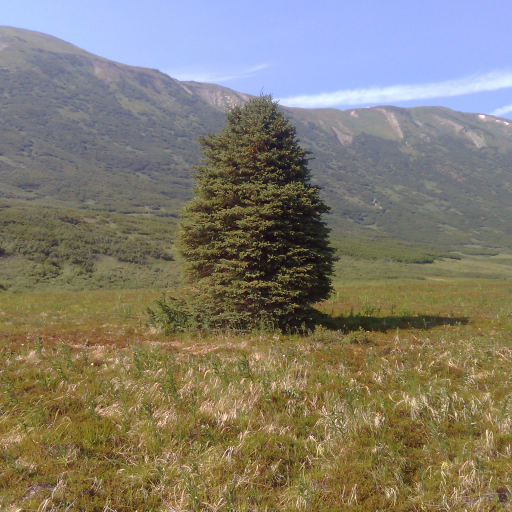
Plant Overview
Often called the "Alpine Hemlock," Tsuga mertensiana is the rugged, elegant survivor of the high Sierras and Cascades. Unlike its cousins that hide in deep, dark forests, this tree braves the wind and heavy snow of the timberline, often growing into twisted, natural sculptures. In the garden, it is prized for its "living bonsai" aesthetic and its graceful, weeping silhouette.
🔍 How to Identify
- 🌿 Needle Arrangement: Unlike other hemlocks that have flat, two-ranked needles, the Mountain Hemlock’s needles grow all around the twig, giving the branches a soft, "starburst" or bottle-brush appearance.
- 🌲 The Drooping Leader: Look at the very top of the tree; the "lead" branch almost always nods or droops gracefully to the side, a signature trait of the Hemlock family.
- 🎨 Purple Cones: One of its most stunning features is the young cones, which are often a deep, royal purple or cylindrical reddish-brown, standing out sharply against the blue-green foliage.
🏡 In Your Garden
- 🏔️ Mountain Roots: Because it is an alpine native, this tree thrives in cool, moist summers and cold winters. It is highly sensitive to "muggy" heat and humidity, making it best suited for temperate or coastal climates.
- ⏳ Patience is Key: This is a very slow-growing conifer. This makes it an excellent choice for rock gardens or smaller landscapes where you want a permanent focal point that won’t outgrow its space for decades.
- 💧 Drainage is Vital: It loves consistent moisture but hates "wet feet." In a garden setting, it needs highly porous, slightly acidic soil to mimic the rocky slopes of its natural habitat.
⚠️ Safety & Toxicity
- 🐾 Safe for All: The Mountain Hemlock is non-toxic to dogs, cats, and horses. It is a very "safe" choice for family backyards.
- 👶 Soft Foliage: Unlike spruces or pines which can be prickly, the needles of the Mountain Hemlock are blunt and soft to the touch, making it a child-friendly plant for sensory gardens.
✨ Fun Fact
- ✨ In the harshest high-altitude ridges, this tree practices "Krummholz"—a German word meaning "twisted wood." Constant wind and ice can stunt a 200-year-old tree so significantly that it remains a waist-high, gnarled shrub rather than a towering timber tree!

Detailed Care Instructions
To grow Tsuga mertensiana, commonly known as mountain hemlock, follow these steps:
- Choose the right location: Mountain hemlock prefers cool, moist climates with partial shade. It grows best in USDA hardiness zones 6 to 8. Ensure the planting area has well-drained soil, as this species dislikes standing water.
- Obtain seeds or seedlings: You can purchase Tsuga mertensiana seeds from a reputable nursery or obtain seedlings from a garden center or online provider. Alternatively, you can try collecting seeds from mature mountain hemlock trees, but this can be challenging.
- Prepare the planting area: Clear the area of any weeds or grass. Loosen the soil to a depth of 12-18 inches and amend it with organic matter like compost to improve drainage and fertility.
- Plant seeds or seedlings: If planting seeds, scatter them over the prepared soil and cover lightly with a thin layer of soil or mulch. If using seedlings, dig a hole slightly larger than the container and gently remove the plant, ensuring the root ball is intact. Place the seedling in the hole and backfill it with soil, pressing gently to eliminate air pockets.
- Water regularly: Mountain hemlocks prefer moist soil, so water the plant regularly, especially during dry periods. Avoid overwatering, as it can lead to root rot.
- Provide shade: In the early stages of growth, young Tsuga mertensiana plants benefit from partial shade to protect them from direct sunlight. Gradually increase their exposure to sunlight, allowing them to adjust.
- Mulch the base: Apply a layer of organic mulch, around 2-4 inches thick, around the base of the plant to conserve moisture and suppress weed growth.
- Prune as necessary: As the plant grows, prune any dead or damaged branches to maintain its health and shape. Avoid heavy pruning, as mountain hemlock prefers to keep its natural form.
- Monitor for pests and diseases: Keep an eye out for pests like aphids or spruce sawflies, as well as common diseases like root rot or needle cast. Treat any issues promptly to prevent further damage.
- Be patient: Tsuga mertensiana is a slow-growing tree, so be prepared for slow progress and gradual development. It may take several years before the plant reaches its mature size.
Remember to consult local gardening experts or resources specific to your area for any additional information or tips tailored to your region.

Place in a bright room that is sun drenched almost all day. Or directly in a south-facing window.

Tsuga Mertensiana is a type of evergreen tree that requires regular watering to thrive. To properly water this plant, it is important to consider the soil conditions and climate. When planting Tsuga Mertensiana, the soil should be well-draining and moist, but not waterlogged. If the soil is too compacted, the excess moisture can cause the roots to rot, which may lead to the death of the plant.
To water Tsuga Mertensiana, it is best to water deeply and infrequently. This means that the soil should be soaked with water, allowing it to penetrate several inches deep, then allowed to dry out slightly before the next watering. The frequency of the watering will depend on the climate and season, as well as the soil conditions. In general, Tsuga Mertensiana should be watered once a week in the spring and autumn, and twice a week in the summer when the weather is hot and dry.
It is important to monitor the moisture level of the soil around the Tsuga Mertensiana tree, especially during the hottest and driest months. If the soil becomes dry, it is important to water immediately to prevent the roots from drying out. Overwatering can also be harmful, so it is important to strike a balance and avoid waterlogging the soil.
In summary, To water Tsuga Mertensiana, it is best to water deeply and infrequently, and to monitor the moisture level of the soil to prevent the roots from drying out or becoming waterlogged.
For best results, fertilize your plant in early spring before new growth begins and again in early fall. Use a slow-release fertilizer with a balance of nitrogen, phosphorus, and potassium, such as a 10-10-10 or 15-15-15 formula. Apply according to the package instructions, being careful not to over-fertilize. Water the fertilizer in well after application. Avoid fertilizing during the summer months when temperatures are high, as this can stress the plant.
The best soil for this plant is moist, well-drained, and slightly acidic. It should be rich in organic matter and have a pH range of 5.0 to 6.5. The soil should also have good aeration and be able to retain moisture without becoming waterlogged. A mixture of peat moss, compost, and perlite or sand works well for this plant, or a high-quality potting mix that is specifically formulated for acid-loving plants. Avoid using heavy clay soils that do not drain well or sandy soils that don't retain water. Regular fertilization with a balanced fertilizer can also help to keep the plant healthy and thriving.
There are several methods for propagating this plant species. One common way is through seed germination, where the small seeds are collected from cones and planted in a well-draining soil mix. Another method is through stem cuttings, where young woody stems are cut from the parent plant and placed in a rooting hormone before being planted in soil. Layering is another technique where a branch from the plant is bent towards the ground, and a portion of it is covered with soil, allowing it to root and grow before being severed from the parent plant. Lastly, tissue culture can also be used to propagate this plant in a laboratory setting by harvesting and propagating cells from a small portion of plant tissue.
Common pests of the mountain hemlock include Scale insect, spider mites, aphids. Make a habit of checking your mountain hemlock frequently for pests so that any infestations can be caught and managed early.








