Plant Overview
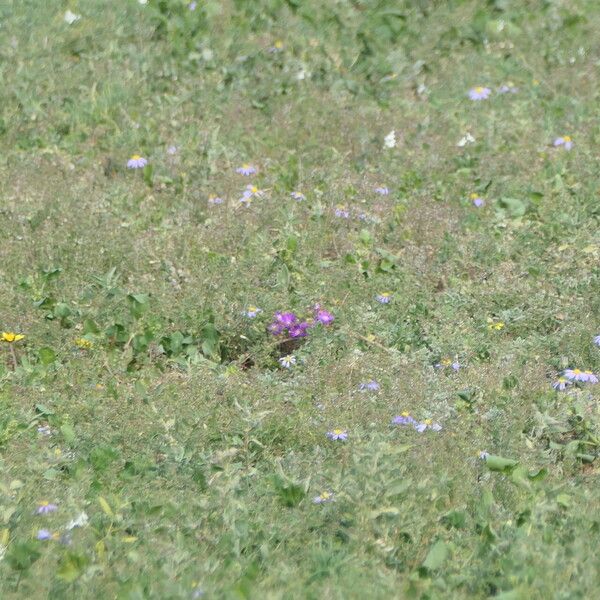
Commonly known as the Oblong-leaved Morning Glory, Turbina oblongata is a resilient, low-growing beauty that paints rocky African landscapes with vibrant splashes of magenta. Unlike its climbing cousins that reach for the sky, this plant prefers to sprawl across the earth, creating a shimmering carpet of silver-green foliage. It is a favorite among wildflower enthusiasts for its ability to thrive in harsh, dry conditions where other plants might wither.
🔍 How to Identify
- 🌸 The Bloom: Large, showy, funnel-shaped flowers that range from deep mauve to brilliant purple, often with a darker "star" or throat in the center.
- 🍃 The Foliage: Oblong to lance-shaped leaves that are covered in fine, silky silver hairs, giving the entire plant a soft, metallic sheen.
- 🌱 Growth Habit: A prostrate perennial, meaning it creeps along the ground rather than climbing, often radiating from a thick, woody underground rootstock.
🏡 In Your Garden
- ☀️ Sun Seeker: This plant is a true sun-worshipper. In a garden setting, it requires the brightest spot available to maintain its compact shape and produce its iconic trumpet-shaped flowers.
- 🪨 Drainage is Key: Because it naturally grows in stony grasslands and rocky outcrops, it loathes "wet feet." It performs best in sandy or gravelly soil where water moves away quickly from its sensitive crown.
- ❄️ Winter Dormancy: Don’t panic if it disappears in the winter! It survives the cold or drought by retreating into its woody rootstock (caudex), only to re-emerge with vigor when the first spring rains arrive.
⚠️ Safety & Toxicity
- 🚫 Status: Potentially Toxic / Do Not Ingest.
- 🐾 Details: Like many members of the Morning Glory family (Convolvulaceae), the seeds of Turbina oblongata may contain ergoline alkaloids. These can cause digestive upset or neurological symptoms if eaten by pets or curious children. It is best treated as an ornamental plant only.
✨ Fun Fact
The silvery hairs on the leaves aren't just for looks; they act as a biological "sunscreen" and windbreak, reflecting intense UV rays and trapping a thin layer of moisture against the leaf surface to help the plant survive scorching African afternoons.

Detailed Care Instructions

Water-loving plants flourish in wet or sloppy soil and near ponds. The extensive root system enables these plants to absorb plenty of water. The surface of the soil should be kept moist at all times. Place your pot in a container filled with water to guarantee that plants get enough water. If the ground becomes dry, it is recommended that you water it well. Plants in smaller pots will need to be watered more frequently. Water the soil in which the plant is standing thoroughly using a watering can.








