Plant Overview
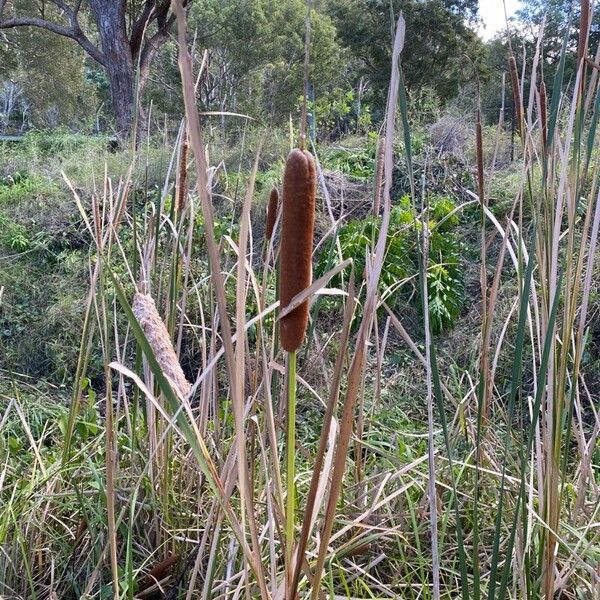
Often called the Oriental Bulrush or more whimsically, the "Sausage on a Stick," Typha orientalis is a tall, elegant perennial that defines the look of wetlands across East Asia and the Pacific. It is a symbol of resilience, standing tall in marshy waters where few other plants can survive, providing essential shelter for waterbirds and frogs.
🔍 How to Identify
- 🌾 The "Sausage" Spike: The most iconic feature is the dense, chocolate-brown, velvety cylindrical flower spike that sits atop a tall, sturdy stem.
- 🍃 Strap-like Leaves: It features long, sword-shaped leaves that are grayish-green, stiff, and can grow over two meters in length.
- 🏗️ Towering Stature: This is a giant of the marsh; it typically reaches heights of 2 to 3 meters, creating dense, swaying walls of greenery.
🏡 In Your Garden
- 🌊 Wetland Specialist: This plant doesn't just like water—it requires it. It thrives in permanent standing water or consistently boggy, mud-heavy soil, making it perfect for the edges of large ponds.
- 🏃 A Persistent Traveler: Gardeners should be wary of its "creeping" nature. It spreads aggressively through underground rhizomes. In smaller home ponds, it is best grown in a large, submerged container to prevent it from suffocating other aquatic species.
- 🦢 Wildlife Magnet: It serves as a natural apartment complex for your local ecosystem, offering nesting sites for birds and a safe haven for dragonflies.
⚠️ Safety & Toxicity
- ✅ Non-Toxic: Typha orientalis is generally considered non-toxic to humans, cats, and dogs.
- 🧪 The Filter Warning: Cattails are "bio-accumulators," meaning they suck up heavy metals and pollutants from the water to clean it. Because of this, you should never touch or forage from plants growing in urban runoff or potentially contaminated industrial waters.
- ☁️ Seed Irritation: When the brown spikes eventually "explode" to release seeds, the tiny, fluffy down can cause mild irritation to the eyes or throat if inhaled.
✨ Fun Fact
🛋️ Nature’s Stuffing: In historical times, the soft, fluffy "down" harvested from the mature seed heads was so abundant and insulating that it was used to stuff pillows, mattresses, and even lined the jackets of soldiers to keep them warm!

Detailed Care Instructions
Growing Typha orientalis, also known as the broadleaf cattail or raupō, can be a rewarding endeavor, especially if you have a suitable wetland area or a garden pond. Here are the steps to help you successfully grow Typha orientalis:
1. Site Selection
- Water: Typha orientalis prefers moist, soggy soil and grows well in shallow water up to 30 cm (12 inches) deep. It's ideal for the edges of ponds, marshes, or drainage ditches.
- Sunlight: These plants thrive in full sun but can tolerate partial shade.
2. Soil Preparation
- Type: Ideally, use nutrient-rich, loamy or clayey soil. They can tolerate a range of soil types but prefer those rich in organic matter.
- Moisture: Ensure that the soil remains consistently moist. If you’re planting in a garden without a natural water source, you may need to provide supplemental moisture regularly.
3. Planting Method
- Seeds: You can grow Typha orientalis from seeds. Collect seeds from mature flower spikes in late summer or early autumn.
- Scatter seeds directly onto the soil surface in your chosen wet area and gently press them into the soil.
- Keep the soil wet but not submerged until germination.
- Germination can be inconsistent, so you might want to plant more seeds than you need.
- Scatter seeds directly onto the soil surface in your chosen wet area and gently press them into the soil.
- Rhizomes: You can also plant rhizomes (underground stems), which might be easier and more reliable.
- Obtain healthy rhizomes from a nursery or dig them up from an existing population.
- Plant rhizomes horizontally about 2.5-5 cm (1-2 inches) deep in the soil.
- Space them about 30-60 cm (12-24 inches) apart to allow for growth and spread.
4. Care and Maintenance
- Obtain healthy rhizomes from a nursery or dig them up from an existing population.
- Watering: Keep the soil consistently moist or submerged. Typha orientalis can withstand fluctuations in water levels, but regular moisture is crucial, especially during establishment.
- Weeding: Remove competing vegetation manually to give your plants the best chance to establish.
- Fertilizing: Generally, additional fertilization is not necessary if the soil is adequately nutrient-rich. If needed, a balanced, slow-release fertilizer can be applied sparingly.
- Pruning: Typha orientalis typically does not require pruning. However, you can trim back dead or damaged foliage to maintain a tidy appearance.
- Containment: Cattails can become invasive. If you don’t want them to spread uncontrollably, consider planting them in containers or using physical barriers within ponds or garden beds.
5. Monitoring and Troubleshooting
- Pests and Diseases: Typha orientalis is generally pest-resistant but can occasionally suffer from fungal infections. Ensure good water quality and avoid overcrowding to minimize disease risk.
- Wildlife: Keep an eye out for animals that may damage young plants. Birds and animals often enjoy the seeds.
Additional Tips
- Consider the ecological impact of planting Typha orientalis, especially in natural wetlands. While beneficial for erosion control and habitat, it can displace local vegetation.
- In some regions, check with local authorities to ensure it’s not classified as an invasive species before planting.
By following these steps and providing the right conditions, Typha orientalis can thrive and contribute to the beauty and ecosystem of your wetland area.

Place in a bright room that is sun drenched almost all day. Or directly in a south-facing window.

Typha orientalis plants thrive in wetland environments and require consistent moisture. Here’s a detailed guide on how to water them effectively:
### Environment and Initial Setup
1. Location: Choose a location that simulates its natural habitat, such as the edge of ponds, marshes, or other water bodies. Alternatively, if grown in a container, make sure it is placed in a water garden or a consistently moist area.
2. Container: If growing in containers or pots, ensure they have no drainage holes or put the pot inside another one that can hold water. This prevents water from draining away and maintains the necessary moisture levels.
### Watering Guidelines
1. Frequency:
- Natural Wetlands: In its natural setting, the plant doesn't need regular watering as long as the surrounding area remains swampy or pond-like.
- Container Growth: For plants in containers, water them daily or ensure that the soil remains consistently wet. Depending on the outdoor temperature and container size, you might need to check for moisture levels more frequently.
2. Method:
- Pond Edges: If planted at the edge of a pond or water body, the roots should be slightly submerged, ensuring they are constantly moist but not necessarily underwater.
- Manual Watering: If manual watering is required, use a watering can or a garden hose to keep the soil around the plant saturated. Avoid using high-pressure water jets, which can disturb the soil and roots.
3. Water Quality: Preferably use rainwater or dechlorinated tap water. High levels of chlorine and other chemicals found in tap water can be detrimental to the plant's health over time.
4. Soil Moisture Level: The soil around the plant should be kept muddy or saturated. It’s crucial for maintaining the right moisture level to periodically press your finger into the soil; it should feel consistently wet but not dry.
### Special Considerations
1. Seasonal Adjustments:
- Growth Periods: During active growth in warmer months, ensure extra vigilance in keeping the soil wet, as evaporation rates are higher.
- Dormant Season: In cooler months or dormancy period, reduce the frequency slightly, but do not let the soil dry out completely.
2. Standing Water Avoidance: While the roots should be consistently wet, avoid having the plant entirely submerged in standing water for prolonged periods, as this can lead to root rot.
3. Mulching: Applying a layer of organic mulch can help retain soil moisture and reduce the frequency of watering, especially in hotter climates.
By paying attention to these watering guidelines, your Typha orientalis should thrive in an environment that closely mimics its natural wetland habitat.
Typha orientalis, like many aquatic plants, thrives in nutrient-rich environments. Here's a step-by-step guide to fertilizing this plant:
- Timeframe: Fertilize primarily during the growing season, which typically spans from late spring to early fall. Avoid fertilizing during the dormant winter months.
- Choice of Fertilizer: Use a balanced, slow-release fertilizer with an N-P-K ratio such as 10-10-10 or 20-20-20. Another option is to use aquatic plant fertilizers specifically designed for water garden plants.
- Application Method:
- Granular Form: If using a granular slow-release fertilizer, push fertilizer tablets into the soil near the base of the plant, about 2-3 inches deep. Space tablets according to the manufacturer's recommendations, generally every 2-4 weeks.
- Liquid Form: For liquid fertilizers, dilute as per instructions and pour the solution around the base of the plant, taking care not to over-fertilize to avoid nutrient runoff into natural water bodies.
- Granular Form: If using a granular slow-release fertilizer, push fertilizer tablets into the soil near the base of the plant, about 2-3 inches deep. Space tablets according to the manufacturer's recommendations, generally every 2-4 weeks.
- Frequency: For slow-release fertilizers, reapply every 2-4 weeks as necessary throughout the growing season. For liquid fertilizers, a bi-weekly or monthly application would usually suffice, depending on the nutrient uptake and growth rate of your plant.
- Consider the Environment: Since Typha orientalis is often found in or near water, take care to avoid over-fertilizing, which can lead to nutrient pollution and harmful algal blooms. Always follow the instructions on the fertilizer packaging.
- Observation: Monitor the health and growth of your plant. Yellowing leaves or stunted growth may indicate a need for more nutrients, while overly vigorous growth or signs of nutrient contamination in the water may suggest over-fertilization.
By following these guidelines, you should be able to provide your Typha orientalis with the necessary nutrients for healthy growth while minimizing environmental impact.
Typha orientalis thrives best in wetland environments and, as such, requires soil that can stay consistently moist or even waterlogged. Here are some key details for the appropriate soil conditions:
- Soil Type: This plant typically prefers heavy clay soils, rich in organic matter. Clay soil has smaller particles that maintain moisture effectively, which is suitable for Typha orientalis.
- pH Level: The ideal pH range is between 5.5 and 7.5, mildly acidic to neutral, which supports nutrient availability and uptake.
- Moisture: The soil should be constantly moist to saturated. Typha orientalis is often found along the edges of ponds, lakes, or marshes where the soil remains wet almost year-round.
- Nutrient Content: Ensuring that the soil is nutrient-rich is beneficial. Organic matter such as compost can help to enhance the soil quality by providing necessary nutrients.
- Soil Texture: While clay soils are preferred, silt and loam soils can also be used if they are kept adequately wet to mimic the plant's natural habitat conditions.
- Drainage: While this plant can handle waterlogged conditions well, in instances where it is planted in less saturated soils, ensuring minimal drainage will help maintain the necessary moisture levels.
By replicating these conditions—heavy, nutrient-rich soils that remain consistently wet—you can support the healthy growth of Typha orientalis.
Typha orientalis, a robust species of flowering plants found commonly in wetlands, can be propagated through both sexual (seed) and asexual (rhizome division) methods. Here are detailed steps for each method:
Propagation by Seeds:
- Seed Collection:
- Collect mature seeds from the plant when the flower spikes have turned brown and dry. The seeds are typically attached to fluffy structures that aid in wind dispersal.
- Collect mature seeds from the plant when the flower spikes have turned brown and dry. The seeds are typically attached to fluffy structures that aid in wind dispersal.
- Seed Preparation:
- Separate the seeds from the fluffy material by gently rubbing the flower spike or shaking it in a paper bag.
- Stratify the seeds by placing them in a refrigerator at about 4°C (39°F) for 4 to 6 weeks to simulate winter conditions and break seed dormancy.
- Separate the seeds from the fluffy material by gently rubbing the flower spike or shaking it in a paper bag.
- Sowing Seeds:
- Fill seed trays with a mixture of wetland soil or a potting mix with good water retention properties.
- Sow the stratified seeds on the surface of the soil and lightly press them down. Do not cover them with soil, as they need light to germinate.
- Fill seed trays with a mixture of wetland soil or a potting mix with good water retention properties.
- Germination Conditions:
- Keep the seed trays in a warm, bright location with indirect sunlight.
- Ensure the soil remains consistently moist, mimicking wetland conditions.
- Keep the seed trays in a warm, bright location with indirect sunlight.
- Transplanting:
- Once seedlings have grown sufficiently and have a few sets of true leaves, they can be transplanted to a more permanent location, such as a pond edge, wetland area, or aquatic pot.
Propagation by Rhizome Division:
- Once seedlings have grown sufficiently and have a few sets of true leaves, they can be transplanted to a more permanent location, such as a pond edge, wetland area, or aquatic pot.
- Timing:
- Perform rhizome division in early spring or late fall when the plant is dormant or just beginning to grow.
- Perform rhizome division in early spring or late fall when the plant is dormant or just beginning to grow.
- Digging Up Rhizomes:
- Carefully dig around the plant to expose its rhizomes (underground stems) without damaging them.
- Lift a clump of rhizomes from the soil using a spade or garden fork.
- Carefully dig around the plant to expose its rhizomes (underground stems) without damaging them.
- Dividing Rhizomes:
- Use a sharp knife or garden shears to cut the rhizomes into smaller sections. Each section should have at least one or two growing points (shoots) and some roots attached to ensure successful propagation.
- Use a sharp knife or garden shears to cut the rhizomes into smaller sections. Each section should have at least one or two growing points (shoots) and some roots attached to ensure successful propagation.
- Replanting:
- Prepare the planting area by digging a hole large enough to accommodate the rhizome division.
- Place the rhizome section in the hole, ensuring the shoots are above the soil surface, and cover the roots with soil.
- Water thoroughly to settle the soil around the rhizomes and provide necessary moisture.
- Prepare the planting area by digging a hole large enough to accommodate the rhizome division.
- Establishment:
- Maintain consistent moisture, especially if planting in a new pond or wetland area.
- Monitor the new plants for growth and development, ensuring they establish well in their new location.
By following these steps, Typha orientalis can be successfully propagated, aiding in the restoration or creation of wetland environments.
- Maintain consistent moisture, especially if planting in a new pond or wetland area.







