Plant Overview
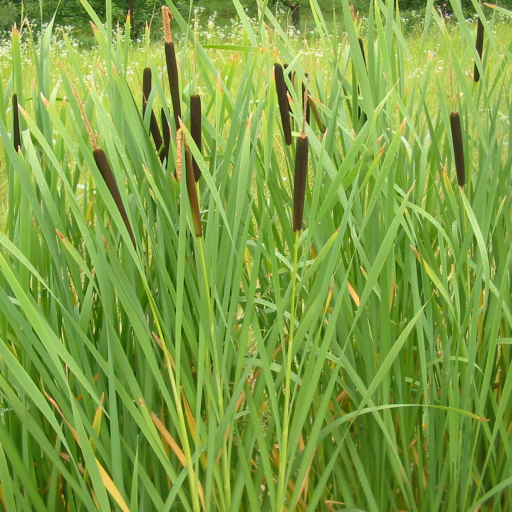
Known as the "Supermarket of the Wild," the Typha—famously called the Cattail or Bullrush—is one of the most recognizable wetland plants in the world. Often described as looking like a "corn dog on a stick," these tall, grass-like perennials serve as vital filters for water systems and provide essential shelter for marshland wildlife. In folklore, they are seen as symbols of peace and prosperity, providing everything from food to building materials for indigenous cultures for millennia.
🔍 How to Identify
- 🟫 The "Sausage" Spike: The most iconic feature is the dense, brown, cylindrical flower spike at the top of the stalk. The fuzzy brown part is the female flower, while the thinner yellow spike above it carries the pollen (male part).
- 🗡️ Sword-like Foliage: Long, flat, blade-like leaves that can grow up to 10 feet tall. They are grayish-green and rise directly from the base of the plant.
- 💧 The Base: If you pull a leaf back, the base is often white, succulent, and filled with a clear, mucilaginous gel.
🏡 In Your Garden & Ecology
- 🛶 Water Filtration: Cattails are nature's kidneys. They are incredibly efficient at absorbing heavy metals and pollutants from the water, which makes them great for cleaning up backyard ponds but also means they shouldn't be harvested from contaminated areas.
- 🏗️ Space Management: Be careful where you plant them! They spread aggressively through underground rhizomes. In a small garden pond, it is best to plant them in submerged pots to prevent them from taking over the entire shoreline.
- 🦆 Wildlife Habitat: They are a high-rise apartment for nature. Red-winged blackbirds nest in the stalks, while muskrats use the leaves to build their lodges and eat the starchy roots.
⚠️ Safety & Toxicity
- 🟢 Human Safety: Most parts of the Cattail are edible (the young shoots taste like cucumber, and the pollen can be used as flour), but location is everything. Because they absorb toxins from the soil, never eat Cattails growing near roadsides, industrial areas, or treated golf courses.
- 🐾 Pet Safety: They are generally considered non-toxic to cats and dogs. However, if a pet eats the "fluff" from a mature spike, it can cause mild digestive irritation or a choking hazard.
- 🚫 Look-alike Warning: Before they flower, Cattails can look like the Yellow Flag Iris, which is toxic. Always wait for the "corn dog" spike to appear before attempting to harvest any part of the plant.
✨ Fun Fact
During World War II, when traditional stuffing materials were scarce, the fluffy white down from mature Cattail heads was harvested across the United States to fill thousands of life jackets and flight suits for soldiers!

Detailed Care Instructions
| Humidity | Normal |
| Lighting | Shade |
| Difficulty | Medium |
| Hibernation | Cold Period |
| Temperature | 20°C - 30°C |

Place in a bright room that is sun drenched almost all day. Or directly in a south-facing window.
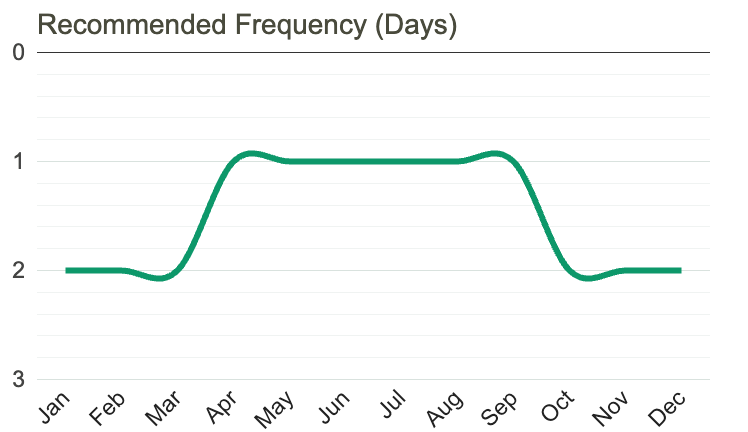
Typha plants thrive in wet soil conditions, so it's important to keep the soil consistently moist but not waterlogged. To water the plant, first check the soil by feeling the top inch with your finger. If the soil feels dry to the touch, it's time to water.
When watering, avoid pouring water directly onto the foliage, as this can lead to fungal diseases. Instead, water at the base of the plant, using a watering can or hose with a diffuser nozzle to create an even stream of water. Water until the soil feels saturated, but not until water pools on top of the soil.
During periods of hot weather or drought, it may be necessary to water more frequently, but also be careful not to overwater. Overwatering can cause root rot and other problems. As a general rule, water the plant once a week but adjust as needed depending on the specific growing conditions.
The ideal soil for Typha plant is a nutrient-rich and well-draining soil that is slightly acidic to neutral in pH. It should be able to hold moisture but not become waterlogged. The plant prefers soils that are high in organic matter, such as compost or leaf litter, as this helps to retain moisture and provide additional nutrients. Additionally, sandy soils or soils with high levels of clay should be avoided as they can become compacted, making it difficult for the plant's roots to absorb the necessary nutrients and moisture. It is also important to ensure the soil is free from any harmful chemicals or pollutants as Typha plants are known to accumulate these substances in their tissues.







