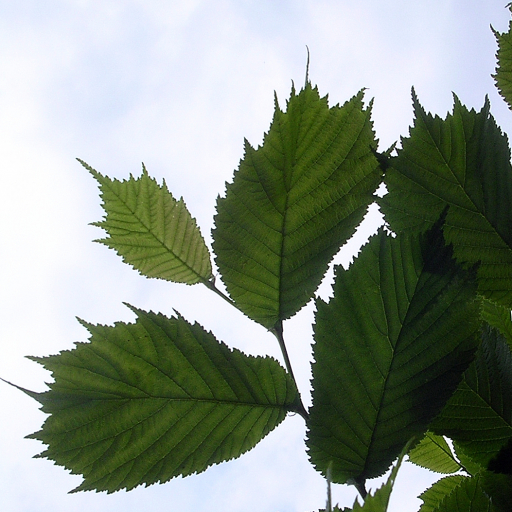
Plant Overview
Often called the Manchurian Elm or the Cut-leaf Elm, Ulmus laciniata is a rugged beauty originating from the cool, mountainous forests of East Asia. It is famous among arborists for its "laciniate" leaves, which look as though a master tailor has carefully snipped the ends into sharp, geometric points. This tree brings a sense of ancient, windswept elegance to any landscape it inhabits.
🔍 How to Identify
- 🍃 The Leaf Tips: Unlike the simple oval leaves of most elms, these leaves feature three distinct, jagged lobes at the tip, often resembling a trident or a crown.
- 🪵 Bark Texture: As the tree matures, its bark transforms from a smooth grey to a deeply fissured, corky texture that provides a dramatic winter silhouette.
- 🫘 The Samaras: In early spring, before the leaves fully unfurl, the tree produces clusters of flat, winged seeds. These circular "wafers" are designed to catch the wind and glide away from the parent tree.
🏡 In Your Garden
- 💧 Moisture Consistency: This elm is a "goldilocks" plant when it comes to water. It thrives in moist, well-drained loams and can struggle in heavy clay or sandy deserts. It significantly prefers valleys and stream banks.
- 🌳 Space Requirements: Because it develops a broad, vase-like canopy and a powerful root system, it needs plenty of room to stretch. It is highly valued for its cold hardiness, making it a favorite for northern gardens where other elms might falter.
⚠️ Safety & Toxicity
- ✅ Non-Toxic: Ulmus laciniata is generally considered safe and non-toxic for dogs, cats, and horses.
- 🤧 Allergy Alert: Like most elms, it produces a significant amount of wind-borne pollen in the spring. If you are a hay fever sufferer, you might find yourself sneezing when this tree is in bloom.
✨ Fun Fact
The specific epithet laciniata comes from the Latin word for "fringed" or "slashed." This refers to the leaves looking like they have been torn or cut into ribbons, a unique evolutionary trait that helps distinguish it from the hundreds of other elm species worldwide.

Detailed Care Instructions

Place in a bright room that is sun drenched almost all day. Or directly in a south-facing window.

Water-loving plants flourish in wet or sloppy soil and near ponds. The extensive root system enables these plants to absorb plenty of water. The surface of the soil should be kept moist at all times. Place your pot in a container filled with water to guarantee that plants get enough water. If the ground becomes dry, it is recommended that you water it well. Plants in smaller pots will need to be watered more frequently. Water the soil in which the plant is standing thoroughly using a watering can.








