Plant Overview
Often referred to as the Pink Urceola, this vigorous tropical climber is a hidden gem of Southeast Asian forests. Known for its cascading clusters of delicate, bell-shaped flowers, it creates a lush, romantic atmosphere wherever it grows. In its native habitat, it’s a master of the canopy, using its woody stems to reach for the sun while carpeting the forest mid-layer in shades of soft rose.
🔍 How to Identify
- 🌸 The Blooms: Features clusters of five-petaled, funnel-shaped flowers that range from pale blush to deep rose pink, often with a subtle, sweet fragrance.
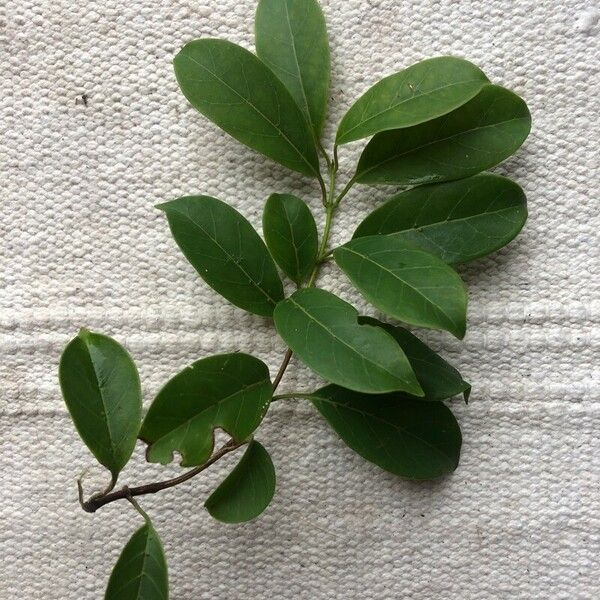
- 🍃 The Foliage: Large, glossy, elliptical leaves with deeply impressed veins that give the plant a textured, "quilted" appearance.
- 🧗 Growth Habit: A robust woody climber (liana) that uses its twining stems to wrap around supports, capable of reaching significant heights if left unpruned.
🏡 In Your Garden
- 🧱 Support Systems: Because this is a true climber, it requires a sturdy trellis, fence, or arbor. It doesn't have "suction cup" roots, so it won't damage masonry, but it will need help being "tucked in" as it grows.
- 💧 The "Sweat" Factor: Like many tropical vines, it thrives in high humidity. If you live in a drier climate, it appreciates being grouped with other plants to create a humid microclimate or a frequent morning misting.
- ✂️ Pruning Nuance: It is best pruned immediately after its flowering season. This encourages new growth for the next year without accidentally cutting off the developing flower buds.
⚠️ Safety & Toxicity
- 🧪 Toxic Latex: Like many members of the Apocynaceae family, Urceola rosea contains a milky white sap that can be irritating to the skin and eyes.
- 🐾 Pets & Kids: The plant should be considered toxic if ingested. Keep it out of reach of curious pets or toddlers, as eating the leaves or flowers can cause digestive upset or more serious cardiac symptoms.
✨ Fun Fact
Many species in the Urceola genus were historically prized for their high-quality latex. Before the Pará rubber tree became the global standard, these "rubber vines" were a primary source of natural rubber in various parts of Asia!

Detailed Care Instructions

Place in a window with dappled sun or a spot in the middle of a room. Or directly in a window facing west or east.

When the top few inches of soil dry out, water your plants. If the top few inches of soil are still moist, do not water your plant. Wait a few days, then poke your finger into the soil to see if anything has changed. Overwatering poses a disease risk, such as the development of fungal diseases in the roots. These plants have adaptations in there leaves that allow them to survive in low water supply.








